
 News & Events
 PHIRDA
  2026.06.04
 638
638
Hosted by the China Pharmaceutical Innovation and Research Development Association (PhIRDA), the Multinational Diabetes Academic Conference 2026 officially commenced. The conference centered on the theme "Shaping the GLP-1 RA Ecosystem: Shaping the Future of Diabetes & Obesity Care."
The event brought together leading endocrinology experts and scholars from nine countries: China, South Korea, Brazil, Mexico, India, Indonesia, Malaysia, Kazakhstan, and Algeria. Focusing on the ongoing paradigm shift in the global diagnosis and treatment of metabolic diseases, attendees engaged in cross-border exchanges on cutting-edge research and standardized management strategies for chronic diseases. The discussions deeply explored the clinical value and application potential of innovative GLP-1 RA medications and novel insulin delivery technologies.
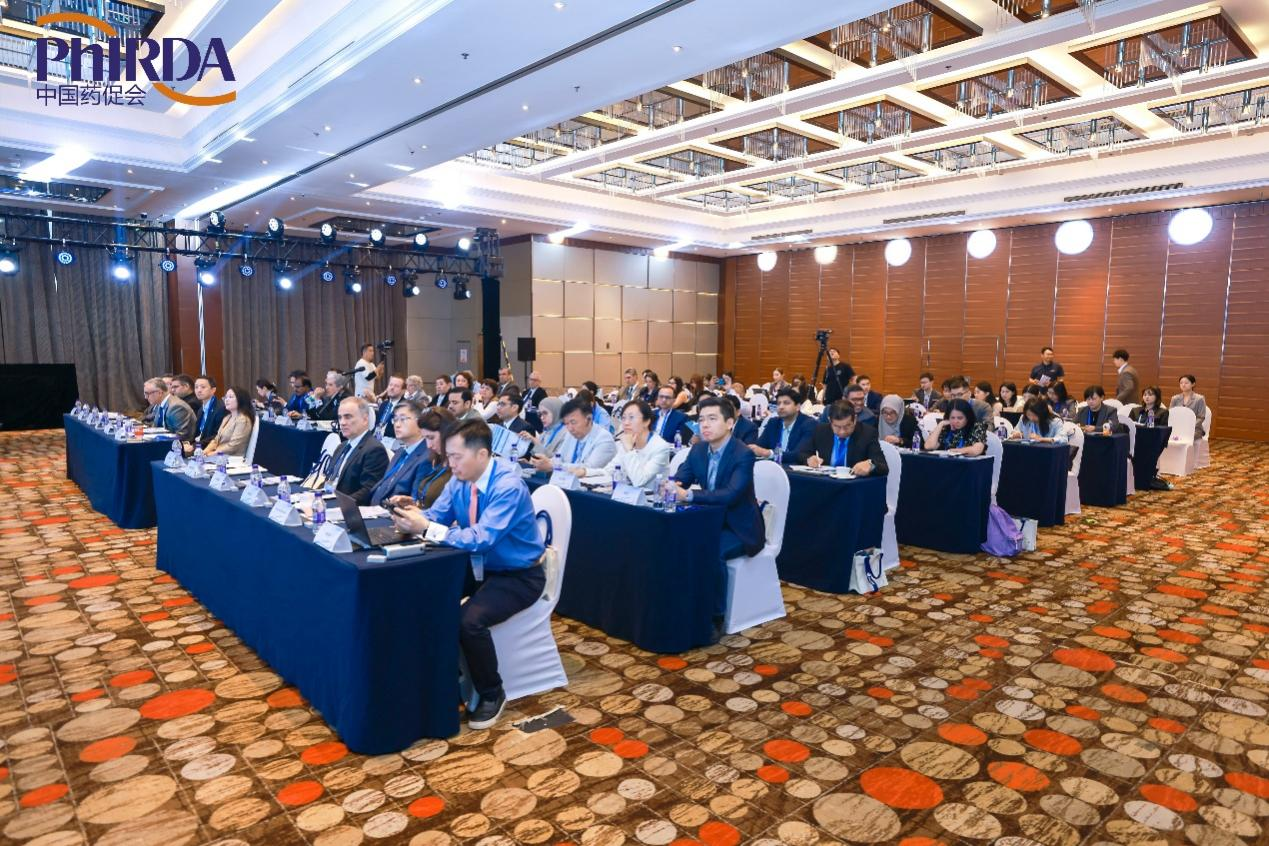
Ms. Lu Xiaoti, Deputy Secretary-General of PhIRDA, attended the opening
ceremony and delivered the opening remarks. She noted that the convergence and
evolution of diabetes, obesity, and other metabolic diseases are accelerating
globally at an unprecedented pace, and the R&D pipeline in the metabolic
field has never been more vibrant. This conference aims to foster academic
exchange and deepen practical international cooperation in managing metabolic
diseases. She expressed hope that experts from various countries would work
together to explore tailored clinical solutions, translating R&D
breakthroughs into tangible benefits for patients worldwide and collectively
building a robust global defense against metabolic diseases.
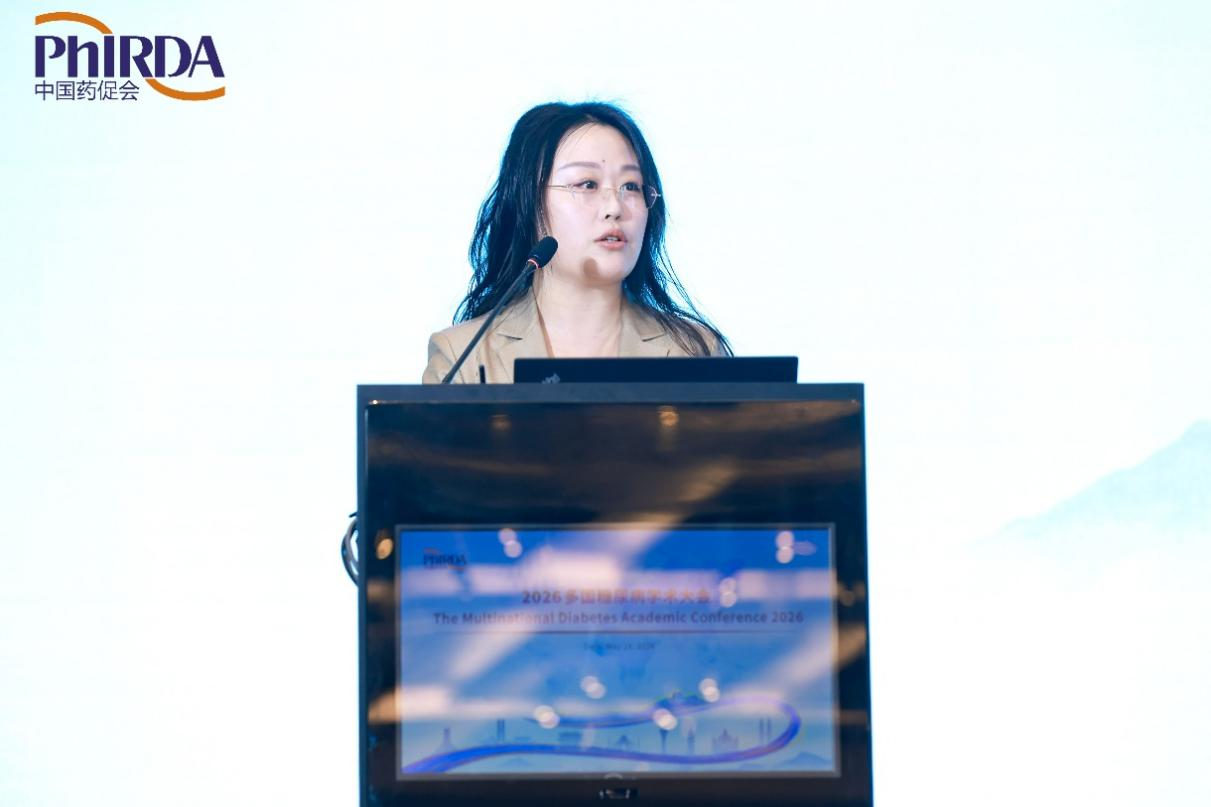
Ms. Lu Xiaoti, Deputy Secretary-General of PhIRDA, delivers her opening
remarks.
Dr. Linong Ji from Peking University People's Hospital, who also serves as the Chairman of the PhIRDA Clinical Research on Diabetes and Metabolic Disease Drugs Specialty Committee, pointed out that metabolic issues such as diabetes and obesity have become shared global health challenges. It is imperative to break geographic boundaries and strengthen international academic synergy and collaborative exploration. This conference, focusing on drug innovation and comorbidity management, provides an excellent platform for industry exchange. He hoped that all parties could share experiences, refine diagnostic and therapeutic protocols, and accelerate the clinical implementation of innovative therapies to benefit more patients globally.
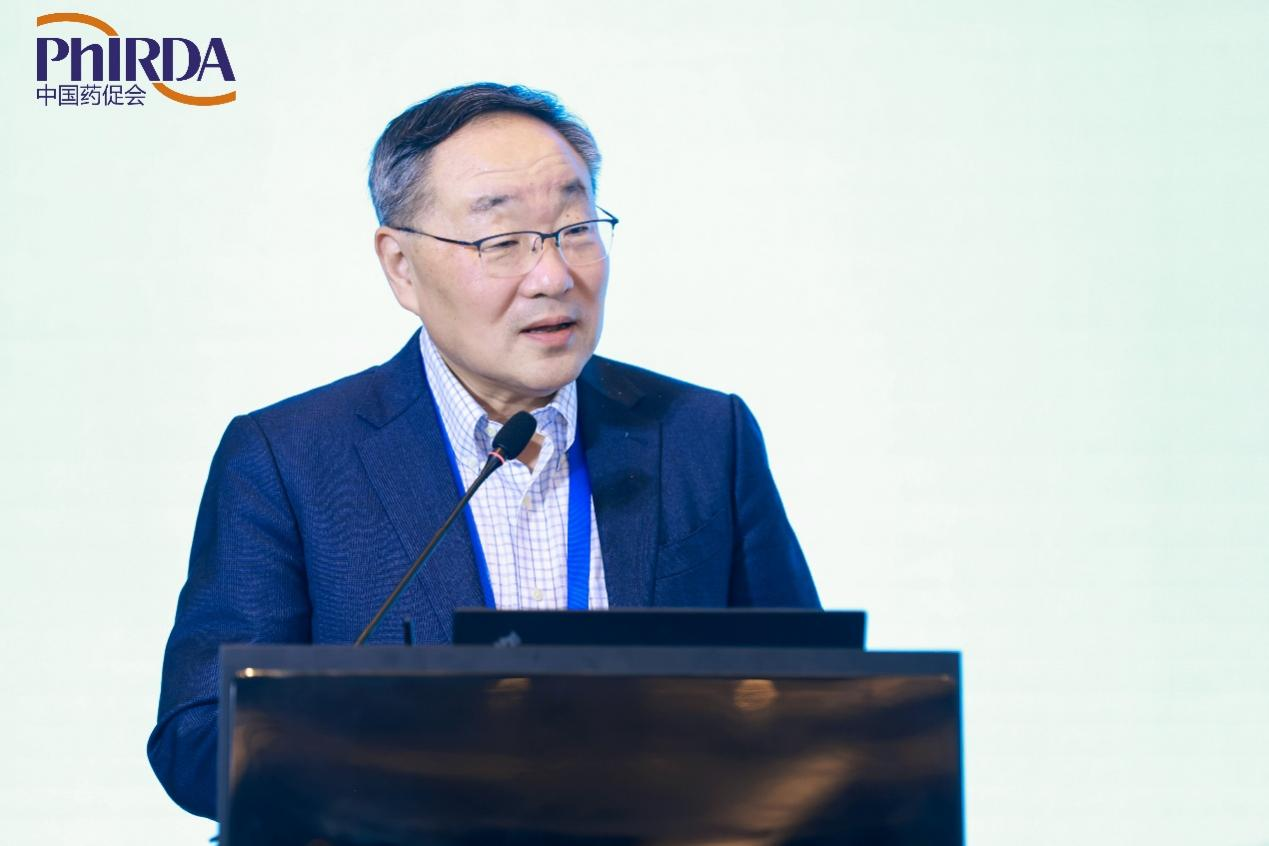
Dr. Linong Ji from Peking University People's Hospital, who also serves as
the Chairman of PhIRDA Clinical Research on Diabetes and Metabolic Disease Drugs
Specialty Committee, delivers his opening remarks.
The conference featured three core tracks: “The Global Progress of Treatment in Diabetes,” “The Comprehensive Management of Diabetes,” and “The Progress in Obesity and Metabolic Syndrome.” Through keynote presentations and multinational panel discussions, the event comprehensively showcased the latest frontier achievements in the field of metabolic diseases.
Session 1: The Global Progress of Treatment in Diabetes
Dr. Linong Ji delivered a keynote speech titled "The Future of GLP-1 RA," offering a deep analysis of the developmental prospects of this class of drugs. He noted that GLP-1 RAs are continuously reshaping the landscape of clinical practice. With powerful glycemic control, significant weight-loss benefits, clear cardiovascular protection, and multiple metabolic advantages, they are revolutionizing the treatment framework for diabetes and obesity. Regarding the future trends of these drugs, Dr. Ji identified three key innovative directions: oral delivery, multi-target combination therapies, and ultra-long-acting formulations.
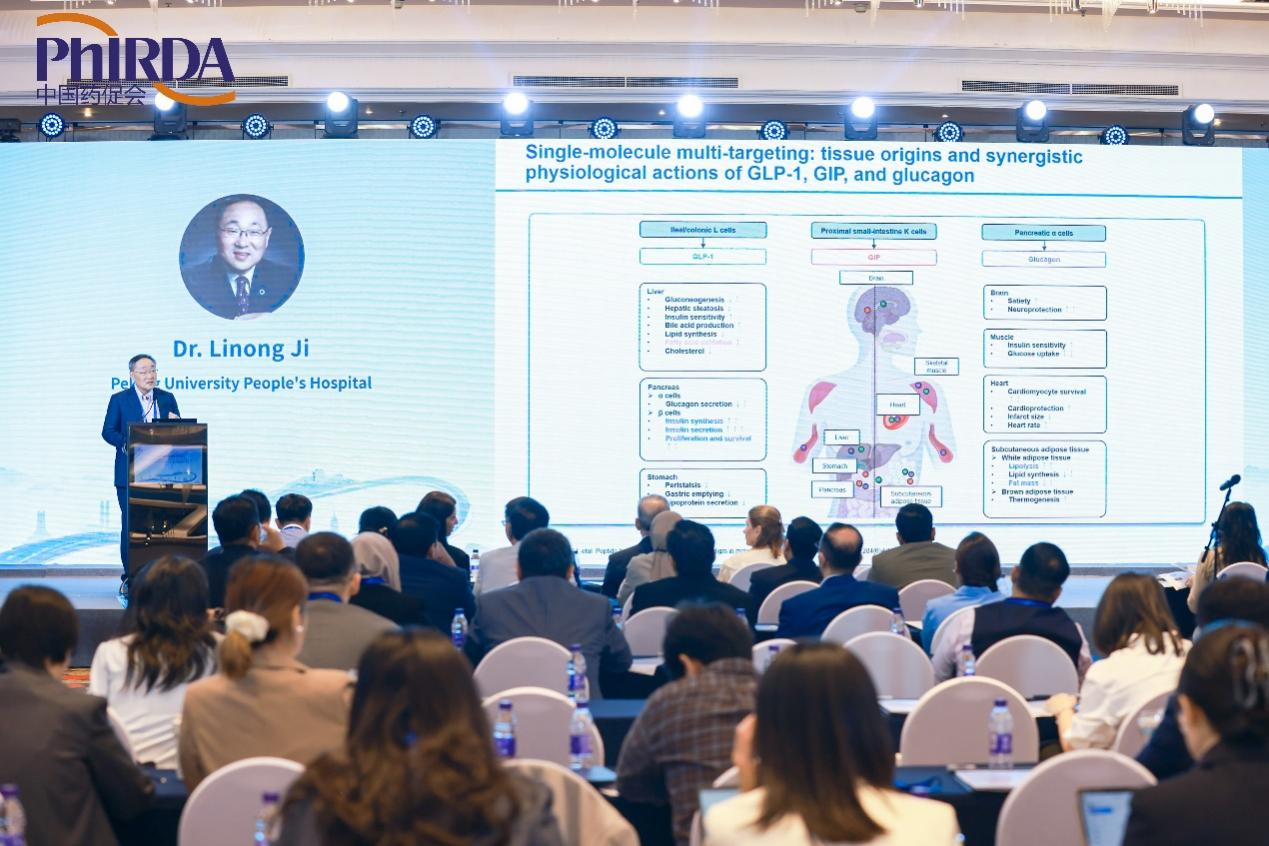
Dr. Linong Ji from Peking University People's Hospital delivers his
presentation.
Dr. Diego Araiza Garaygordobil, a cardiovascular expert from Mexico, shared insights in his presentation, "The Evolving Cardiovascular Role of GLP-1 Therapies: From Glucose-lowering Agents to a Cardiovascular Drug Class," deeply decoding the clinical utility of GLP-1 in cardiovascular prevention. Drawing on high-quality cardiovascular outcomes trials, he demonstrated that GLP-1 RAs not only provide stable glycemic control and effective weight loss but also significantly reduce the risk of major adverse cardiovascular events (MACE), including myocardial infarction, stroke, and cardiovascular death in patients with type 2 diabetes. He emphasized that for T2DM patients, especially those with established cardiovascular disease or at extremely high cardiovascular risk, GLP-1 RAs have become a preferred core clinical strategy due to their dual cardio-renal benefits.
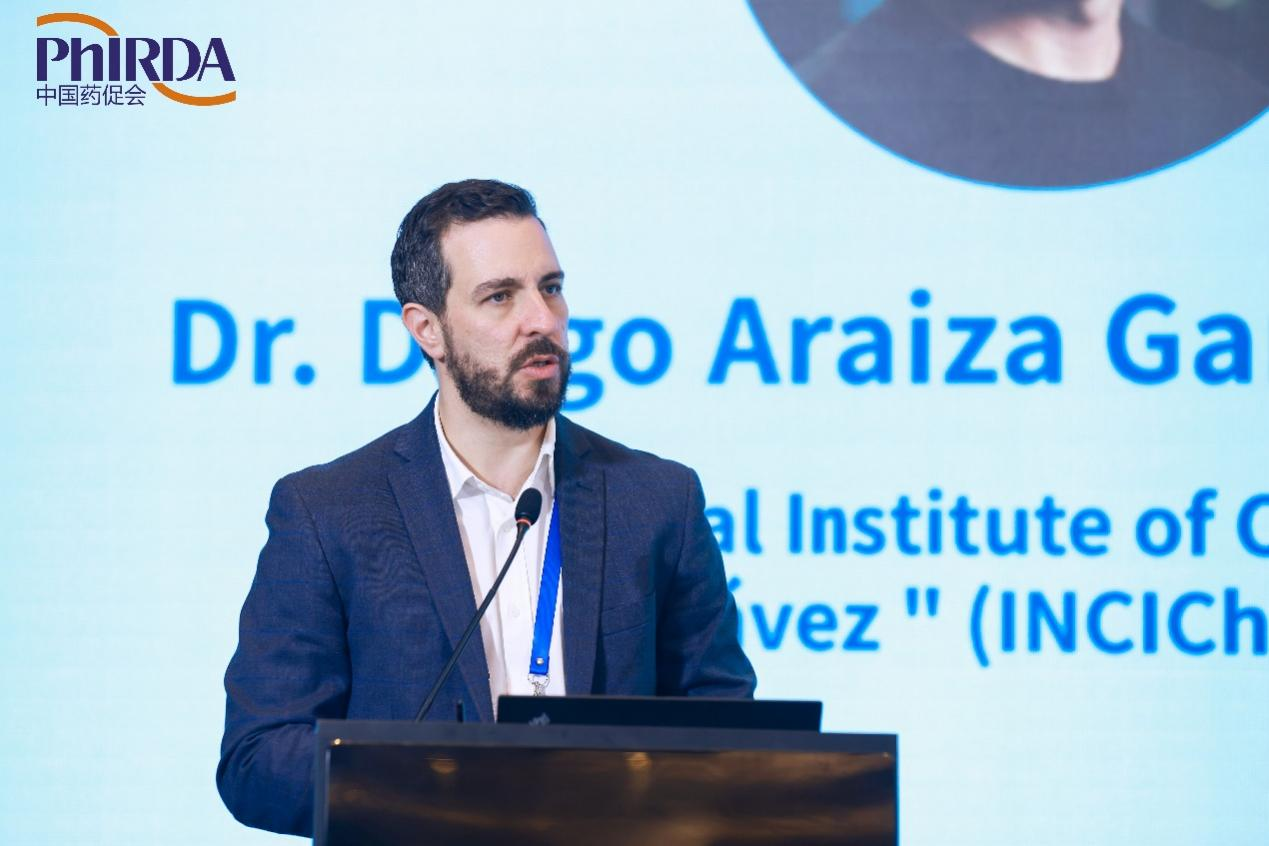
Dr. Diego Araiza Garaygordobil, a cardiovascular expert from Mexico, delivers
his presentation.
During the first panel discussion, authoritative experts from India, Mexico, Indonesia, and China engaged in a deep-dive discussion focusing on three core areas: maintaining long-term efficacy after achieving weight-loss and glycemic targets, the clinical advantages and positioning of oral medications, and the precise screening of populations capturing cardiovascular benefits. Integrating local clinical practices and diverse population characteristics, the panelists shared mature long-term management models. They discussed the practical value of oral formulations in enhancing patient adherence and optimizing long-term regimens, further clarifying their clinical applications. The experts also aligned on screening strategies for high-risk cardiovascular patients, providing a practical reference for standardized, long-term metabolic care across borders. This discussion not only presented frontier science but also offered valuable practical experience for the international management of diabetes-obesity comorbidities.
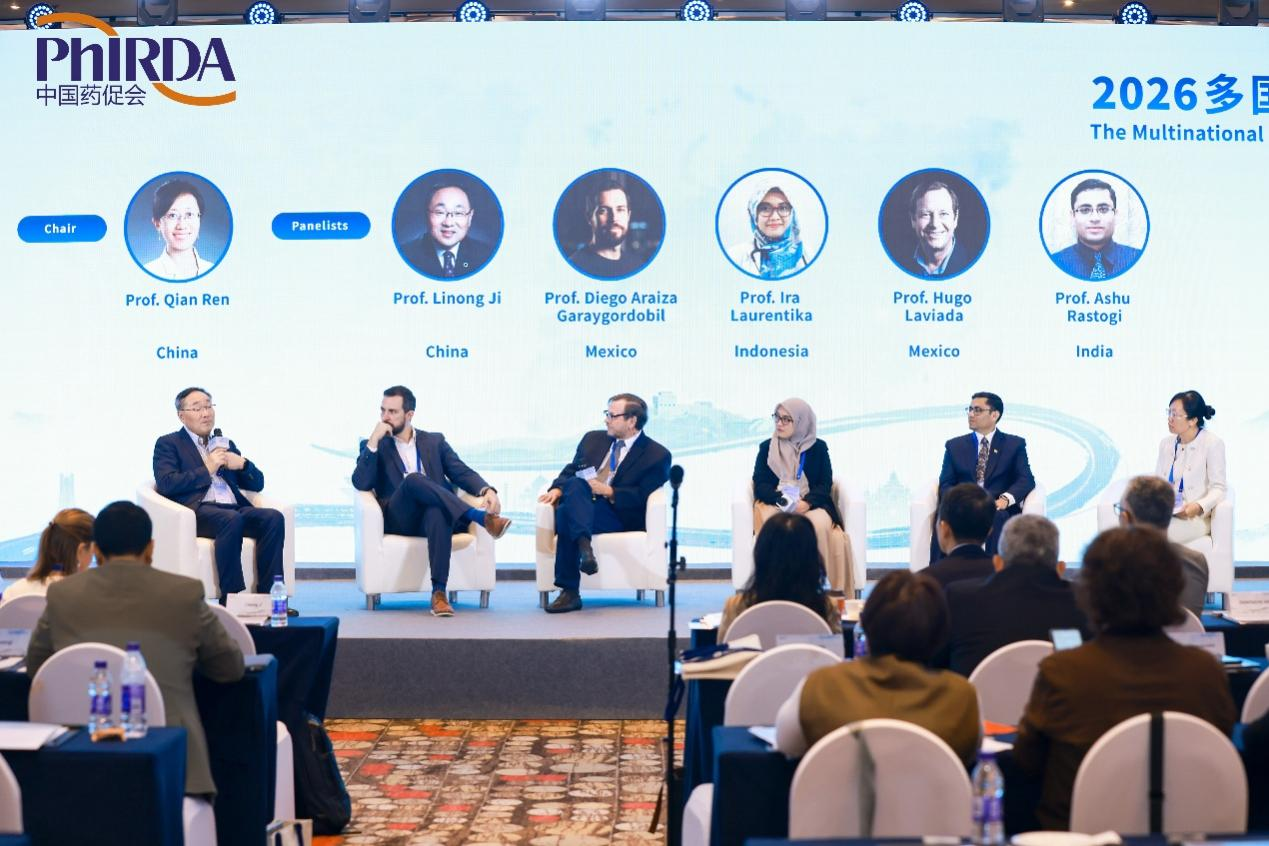
Panel discussion during the session 1.
Dr. Lenita Zajdenverg from the Hospital of the Federal University of Rio de Janeiro, Brazil, presented on "Insulin Therapy Across the Lifespan: Special Considerations in Adolescents, Pregnancy, and Older Adults." Her presentation focused on the standardized clinical application of insulin throughout the life cycle, outlining key therapeutic strategies for special populations.
She emphasized that insulin regimens must be tailored to the physiological characteristics of different groups: for adolescents, strict adherence to medication indications is vital to prioritize clinical safety; for pregnant patients, meticulous glycemic management must be implemented to safeguard maternal and fetal health; and for older adults, individualized regimens should be deployed with a strong focus on preventing hypoglycemia to achieve safe and stable glucose control.
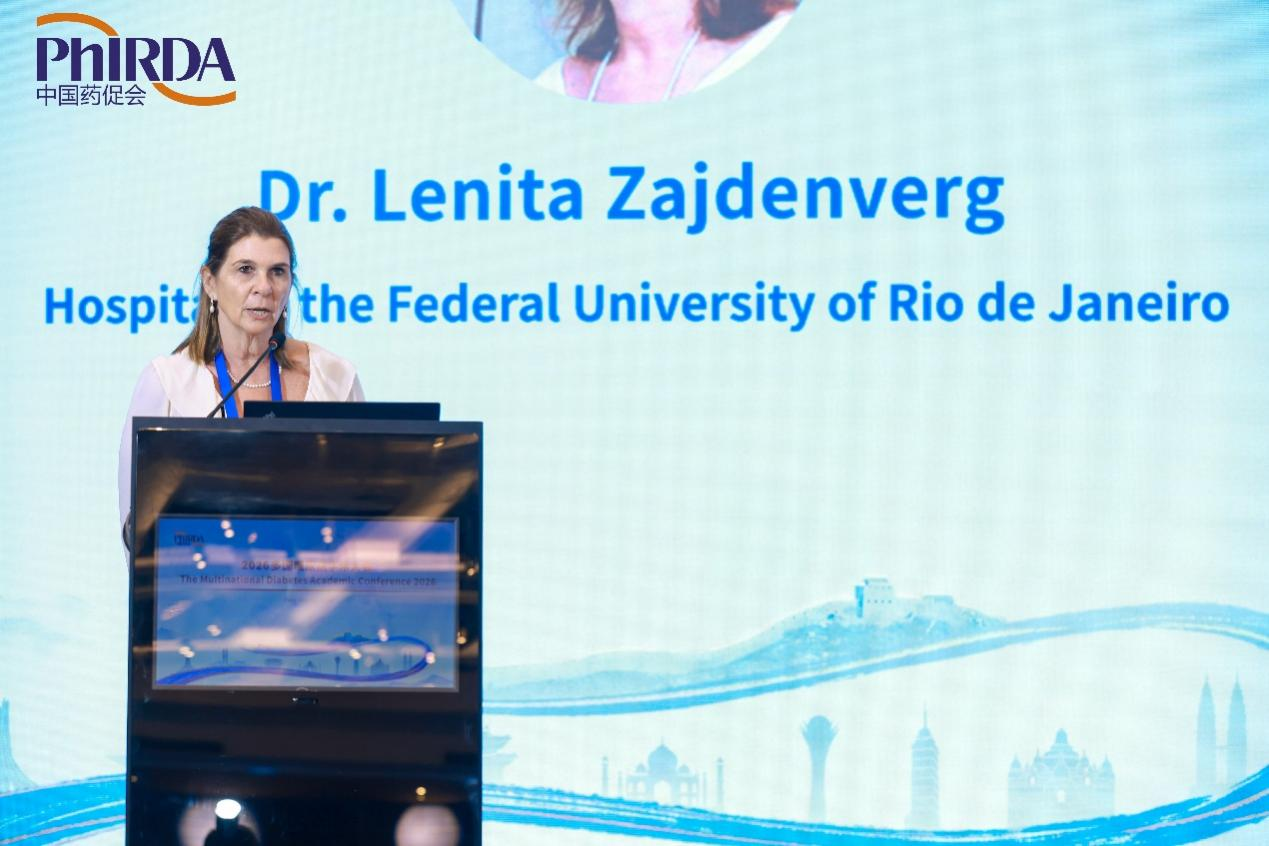
Dr. Lenita Zajdenverg from the Hospital of the Federal University of Rio de
Janeiro, Brazil, delivers her presentation.
Dr. Hendra Zufry from Dr.Zainoel Abidin Hospital/ Universitas Syiah Kuala Banda Aceh- Indonesia delivered a presentation entitled “The Future of Insulin Therapy.” Starting from current understandings of the pathogenesis of type 1 diabetes, type 2 diabetes, and dual diabetes, he discussed the new positioning of insulin therapy in the new therapeutic era characterized by the combination of GLP-1 receptor agonists and SGLT2 inhibitors.
Dr. Hendra Zufry also introduced ultra-rapid-acting insulin and once-weekly basal insulin. In this section, he presented the PK/PD profiles of GZR4 as a once-weekly basal insulin and insulin Icodec as one of its competitors. Dr. Hendra Zufry noted that GZR4 has longer fatty acid side chain and several advantages, including no requirement for a loading dose and achievement of steady state within 1–2 weeks. He further highlighted that once-weekly basal insulin may offer several advantages as a future basal insulin option for both type 1 and type 2 diabetes.
In addition, Dr. Hendra Zufry explained the basic concepts of endogenous and exogenous insulin, emphasizing the importance of understanding these concepts when using exogenous insulin therapy.
Dr. Hendra Zufry also discussed oral insulin delivery, hepatoselective insulin, smart insulin, and the potential of pancreatic beta-cell stem cell therapy in moving toward diabetes cure research. In addition, he introduced the concepts of smart insulin as basal insulin and transdermal basal insulin as part of the future development of insulin therapy.
Finally, Dr. Hendra Zufry once again emphasized the importance of understanding endogenous insulin when attempting to mimic endogenous insulin with exogenous insulin in the treatment of patients with diabetes.
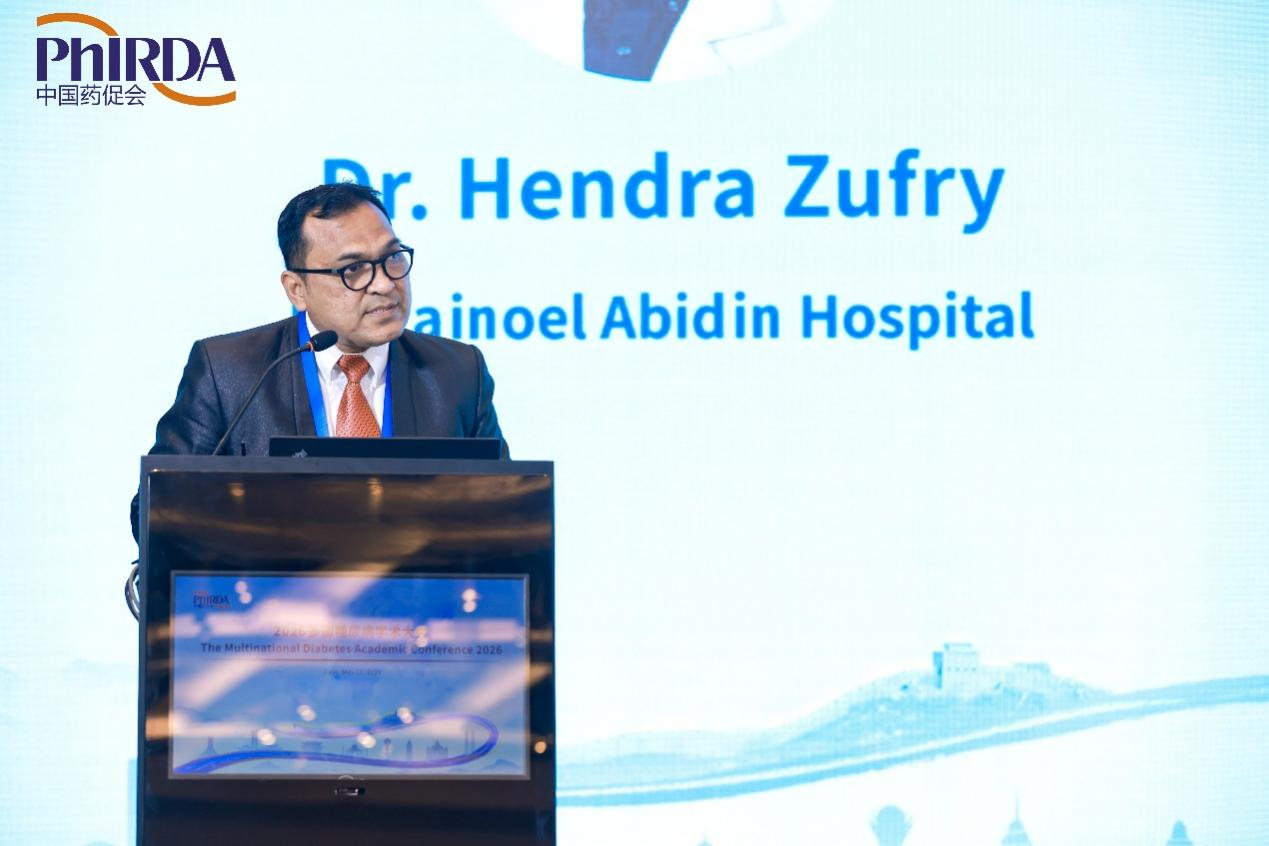
Dr. Hendra Zufry from Dr.Zainoel Abidin Hospital/ Universitas Syiah Kuala
Banda Aceh- Indonesia delivers his presentation.
In the second panel discussion, experts from China, Brazil, Kazakhstan, India, South Korea, and Indonesia held an in-depth discussion around core topics: the timing of insulin initiation in the era of novel glucose-lowering drugs, precise clinical assessment methods, the impact of GLP-1 RAs on insulin therapy, and how once-weekly insulins are reshaping clinical practice.
Grounded in their respective local healthcare systems and clinical experience, the participating experts exchanged views on the clinical rationale and real-world insights of different therapeutic regimens, mapping out the distinct profiles and appropriate applications of various agents. Furthermore, the experts collectively analyzed the clinical utility and industry trends of long-acting weekly insulins, consolidating front-line international experience to optimize and refine global, standardized diabetes care.
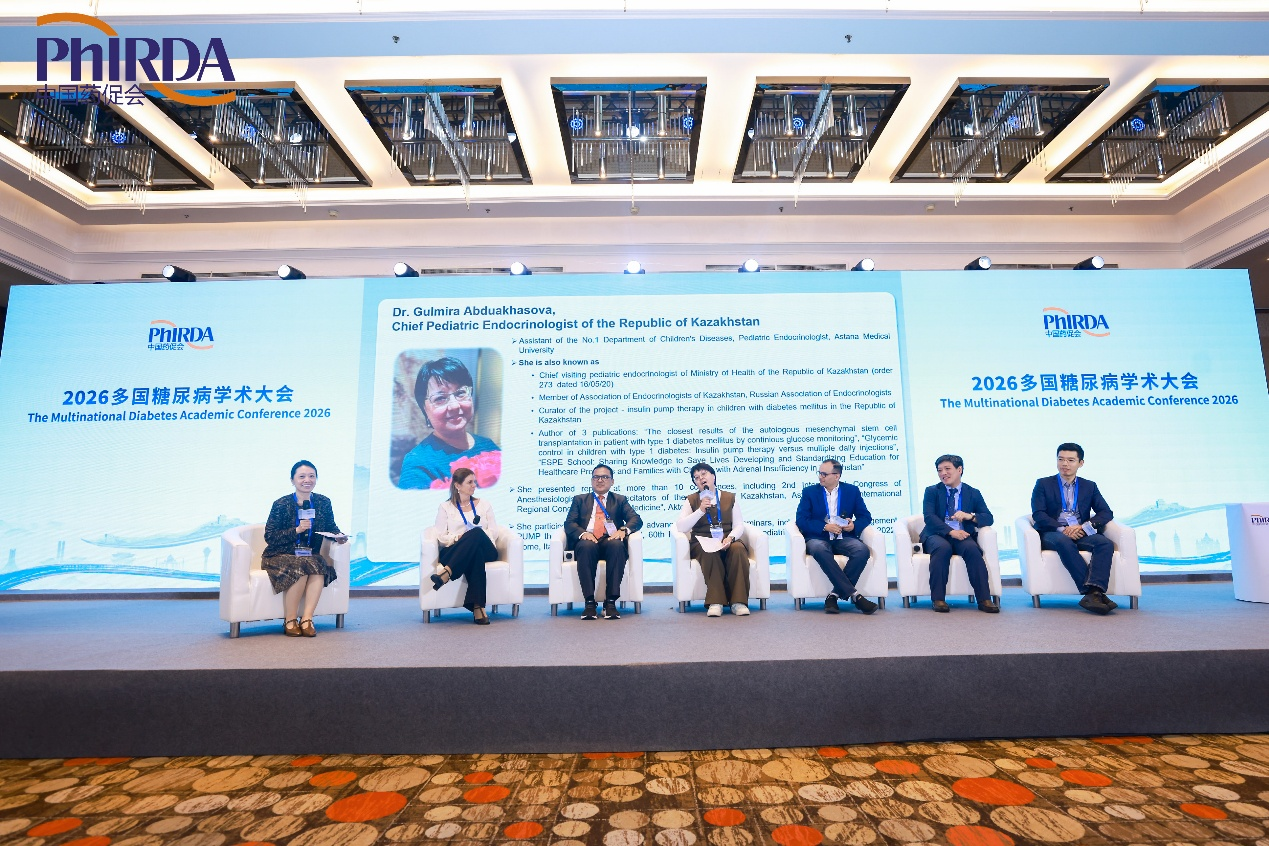
Panel discussion during the session 1.
Session 2: The Comprehensive Management of Diabetes
Algerian expert Dr. ZAAMOUCHE Adlen delivered a presentation titled "The Evolution of Incretin-Based Drugs: A Paradigm Shift in Metabolic Diseases Management." He systematically reviewed the developmental timeline of incretin-based therapies and deeply analyzed the profound revolution they have brought to metabolic disease care models.
He comprehensively reviewed the iterations of these drugs and the upgrades in therapeutic concepts, illustrating their profound impact on clinical frameworks. Currently, drug R&D in this field has advanced from traditional single-target formulations to multi-target synergistic mechanisms. With outstanding weight-loss efficacy and clinical value in comprehensively improving multiple metabolic indicators, these drugs continue to reshape clinical thinking. He stated that in the future, incretin-based therapies are expected to become preferred, early-stage treatment options, completely shattering the traditional clinical perception of them being mere rescue therapies after glycemic control fails.
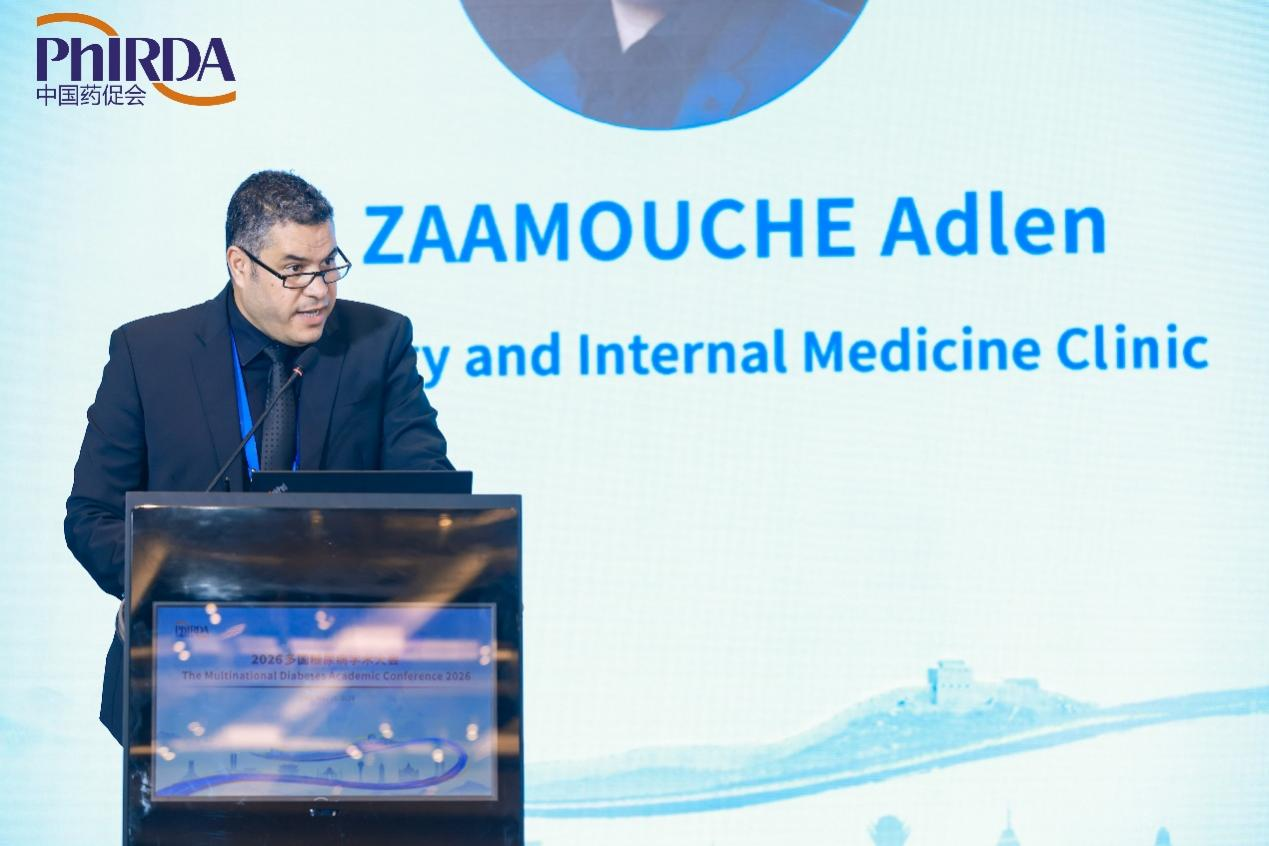
Algerian expert Dr. ZAAMOUCHE Adlen delivers his presentation.
Dr. Navin Kumar Loganadan, from Putrajaya Hospital, Malaysia, shared cutting-edge and practical management experiences in his presentation "Improving Medication Adherence in Diabetic Patients: Two Decades of DMTAC Service in Malaysia."
He pointed out that building digital, personalized health education platforms tailored to multicultural environments can effectively boost patients' self-management skills and medication adherence. This continuously improves patient' quality of life, reduces long-term complications, and optimizes medical resource allocation, helping chronic diabetes management achieve higher quality, greater efficiency, and enhanced cost-efficiency.
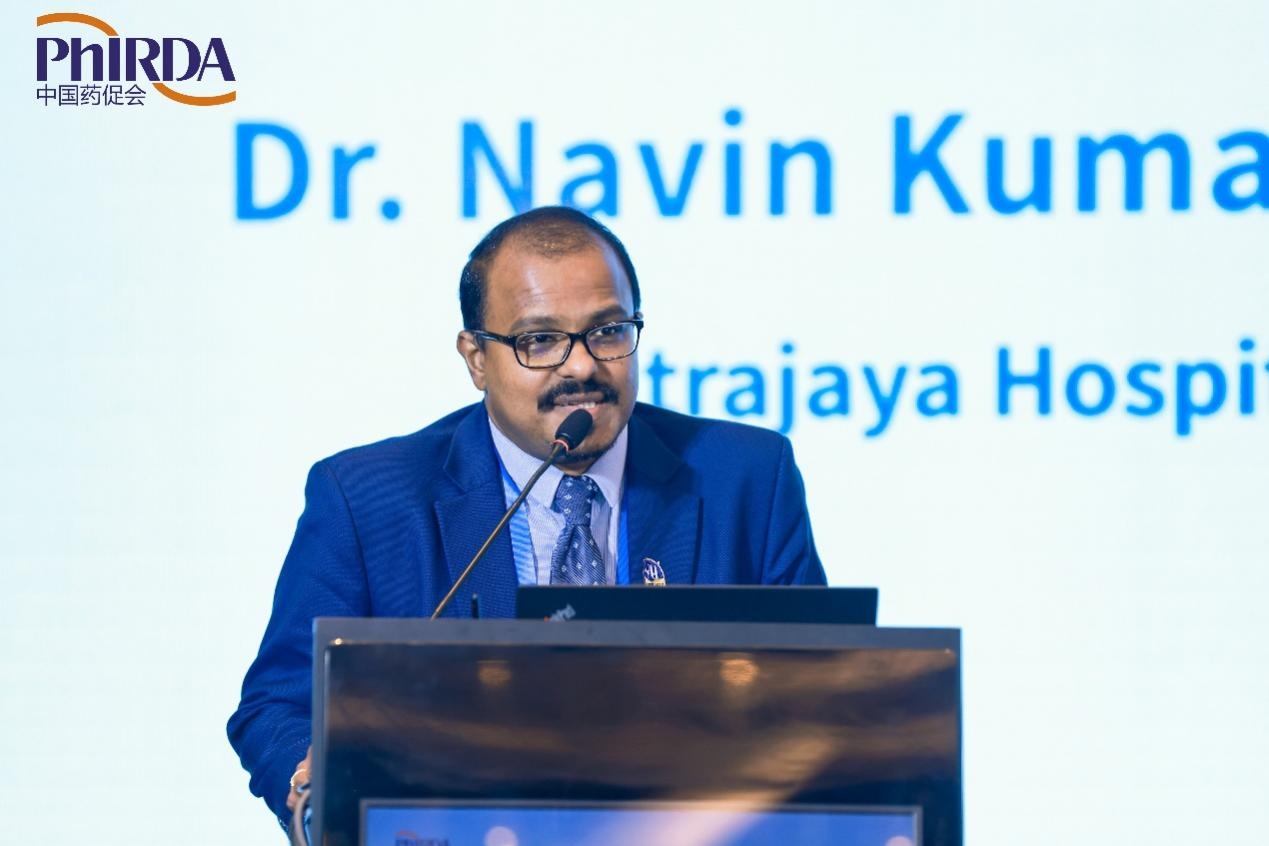
Dr. Navin Kumar Loganadan, from Putrajaya Hospital, Malaysia, delivers his
presentation.
During the Session 2 panel discussion, experts from China, India, Malaysia, Indonesia, and Algeria engaged in profound discussions regarding the timing of intensive intervention and the multi-target management of glucose, blood pressure, and lipids. The panel concluded that the traditional hospital-centric model falls short of meeting long-term chronic disease management needs. Today, an integrated, patient-centered care model is highly advocated, promoting the establishment of multidisciplinary teams (MDTs) and leveraging digital health tools to empower full-lifecycle health management. The session also highlighted the standardized clinical pathway of GLP-1 RAs, exploring strategies that balance efficacy and safety to maximize clinical value while strictly controlling risks. This approach aims to steadily enhance long-term treatment adherence and persistence, providing actionable clinical pathways for comprehensive chronic disease management across nations.
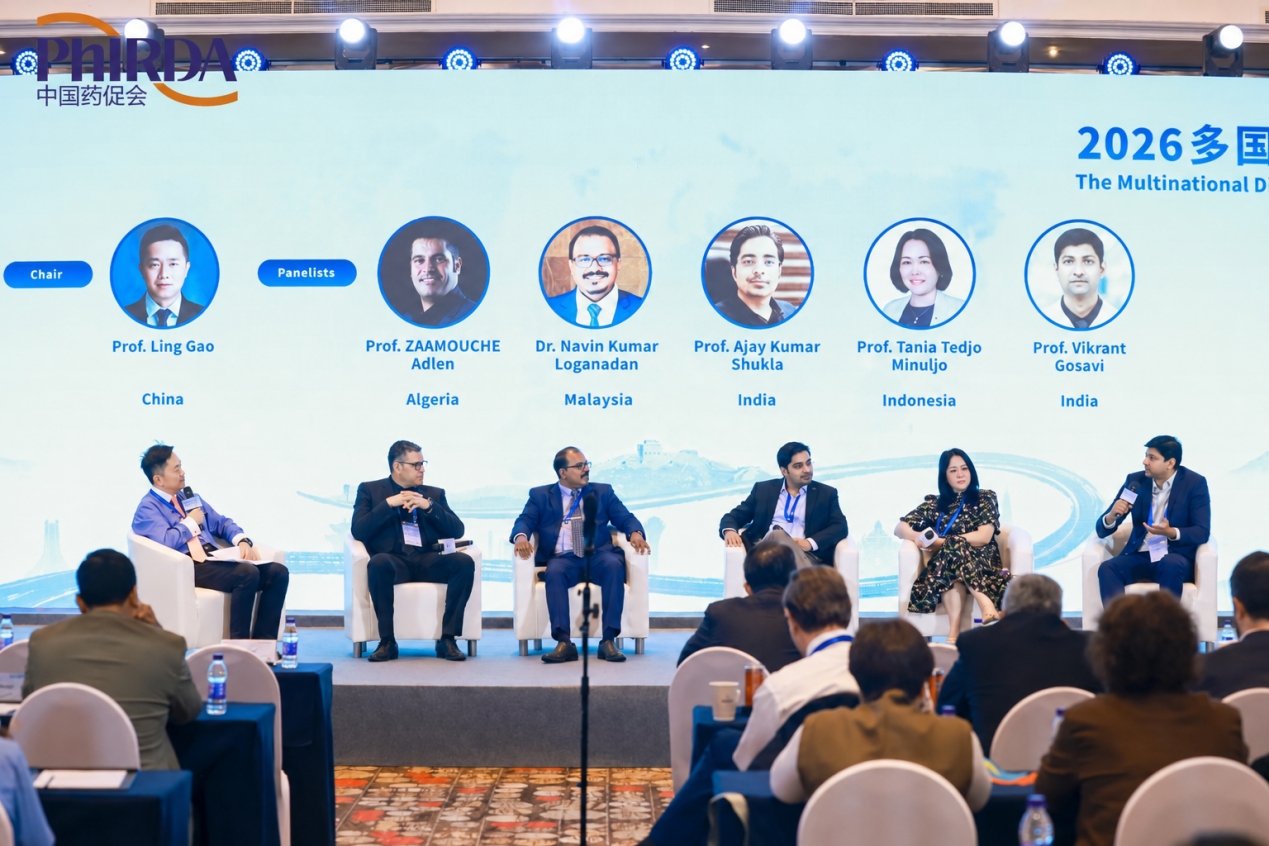
Panel discussion during Session 2.
Session 3: The Progress in Obesity and Metabolic Syndrome
Dr. Junhwa Hong from Daejeon Eulji University Hospital, South Korea, presented on "Real-World Evidence from Korea: Obesity Pharmacotherapy, Clinical Practice, and Real-World Data," offering an analytical breakdown of the clinical status of obesity in South Korea.
He systematically outlined the epidemiological trends, triggers, and economic burdens of obesity and comorbid metabolic conditions in the local population, while introducing mainstream local treatments and their real-world outcomes. Leveraging massive real-world data, this presentation serves as a solid foundation for developing local public health measures and clinical guidelines, while providing a valuable reference for scientifically evaluating the actual effectiveness of various weight-management interventions.
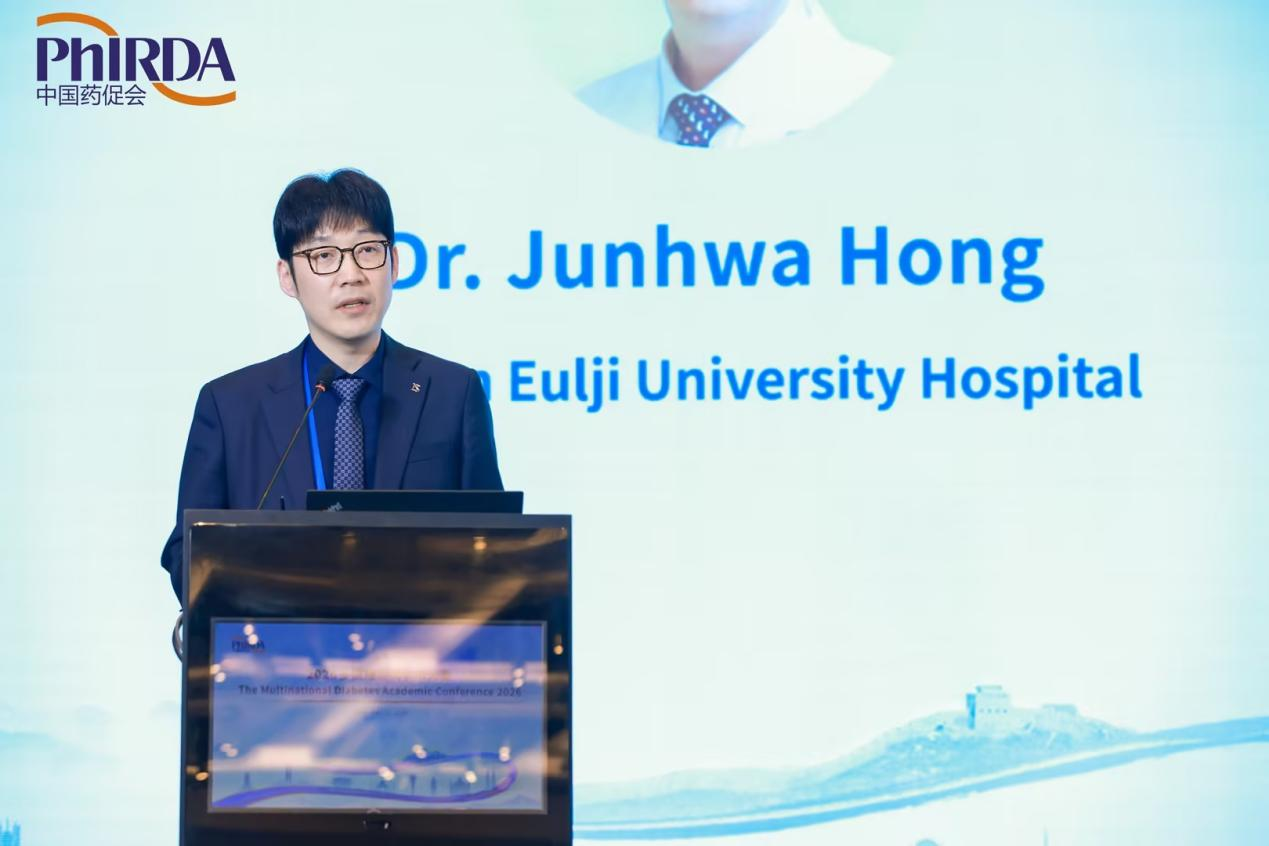
Dr. Junhwa Hong from South Korea delivers his presentation.
Dr. Shen Qu from the Tenth People's Hospital Affiliated to Tongji University spoke on "Clinical Practice and Global Clinical Guidelines on Obesity." Combining front-line clinical experience with authoritative international guidelines, he systematically explained the paradigm shift in obesity diagnostics and therapeutics.
He noted that the clinical mindset for obesity has undergone a major upgrade. Clinical evaluations no longer rely solely on traditional weight metrics like BMI; instead, a comprehensive, comorbidity-centered assessment framework is being established. He emphasized that obesity is explicitly classified as a chronic disease, fundamentally characterized by systemic metabolic dysfunction. In today's integrated management model focused on clinical benefits, incretin-based therapies have become a core pillar of standardized obesity treatment. Future management should classify obesity based on etiology, where central regulation will emphasize individualized care and multi-target drugs to achieve long-term weight-maintenance goals.
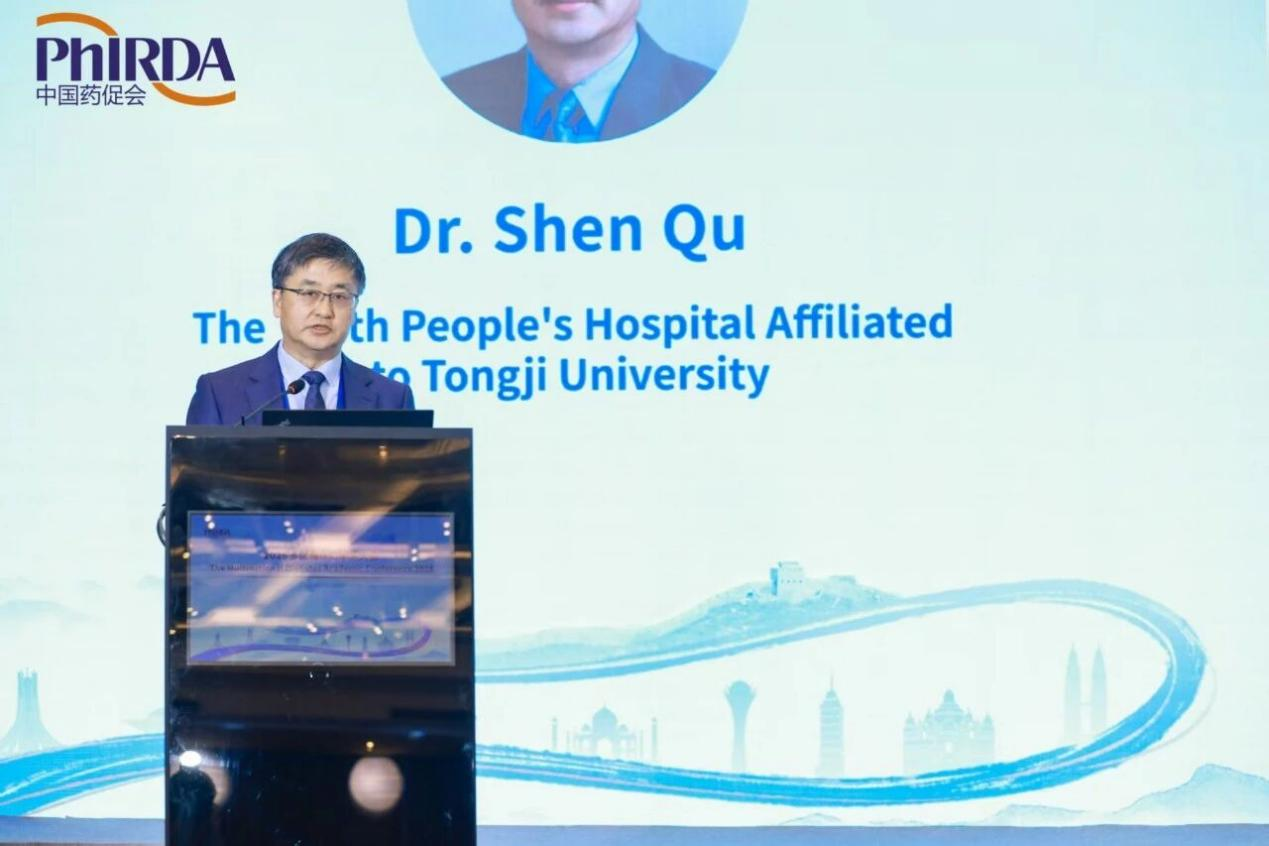
Dr. Shen Qu from the Tenth People's Hospital Affiliated to Tongji University
delivers his presentation.
Dr. Sambit Das from KIMS Medical College and Superspeciality Hospital, India, delivered a presentation titled "The 5A Model" for Management of Obesity: Indian Perspective." Based on India's healthcare realities, he shared a highly localized approach to chronic obesity management.
He noted that obesity prevention and clinical management in India must align closely with local epidemiological traits, tailoring strategies to high prevalence trends, regional demographic variations, and specific body composition phenotypes. He introduced a systematic, staged, and graded patient-centric care system, elaborating on the application value of two core frameworks: the 5A Model and the ABCDE Model. The 5A Model establishes a standardized pathway ranging from doctor-patient communication to long-term follow-up, making it highly adaptable to daily outpatient settings. Meanwhile, the ABCDE Model achieves a multi-dimensional, comprehensive assessment, breaking the limitations of relying solely on BMI. It holistically integrates fat distribution patterns, lifestyle behaviors, underlying comorbidities, functional status, and quality of life, providing a rock-solid foundation for precisely tailoring individualized treatment plans.
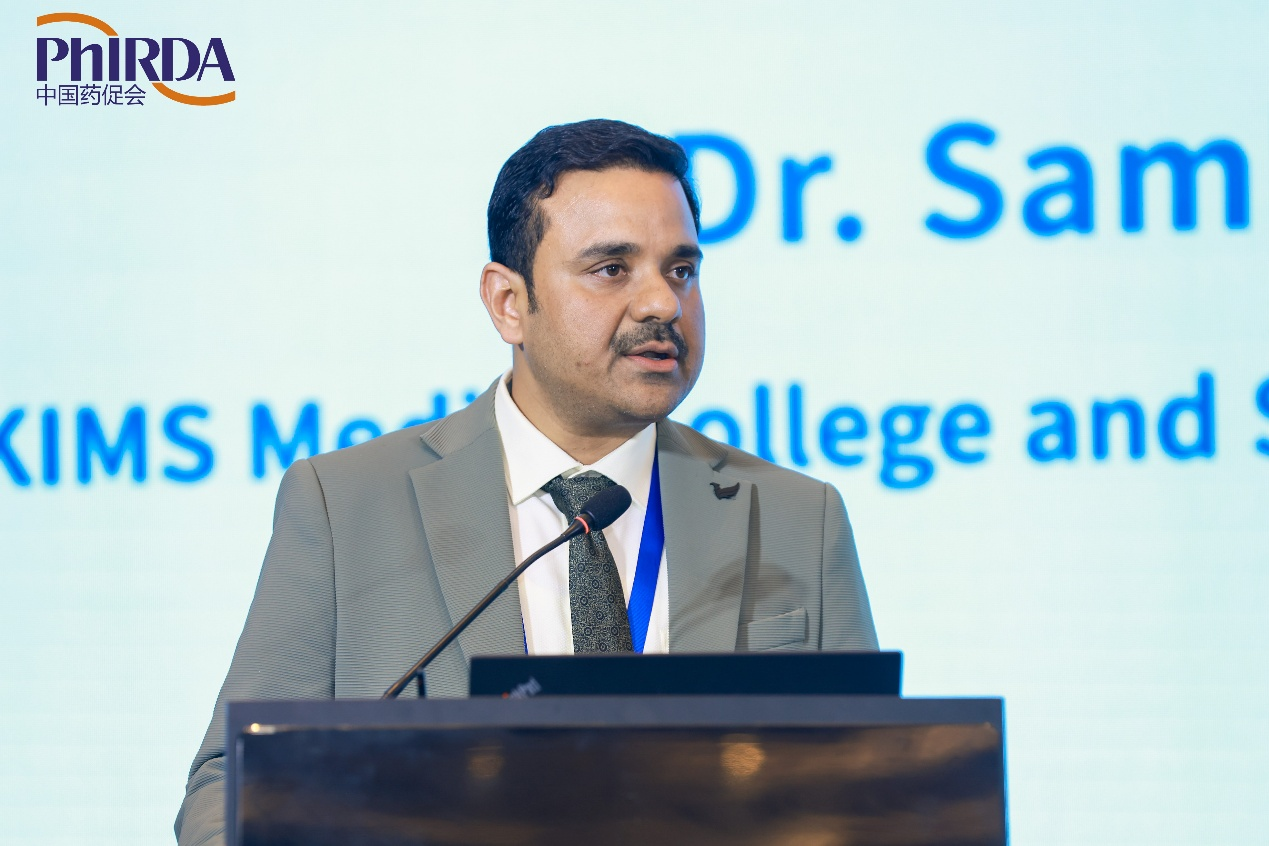
Dr. Sambit Das from KIMS Medical College and Superspeciality Hospital, India,
delivers his presentation.
The Session 3 panel discussion brought together experts from Brazil, Indonesia, India, and China to discuss frontier and hot-button issues in obesity management. The experts recognized obesity as a chronic, relapsing disease that requires long-term, standardized intervention models similar to the management of hypertension and diabetes. They reached a consensus that weight loss is no longer the sole core objective of obesity management; current authoritative guidelines have progressively shifted their focus from pure weight reduction toward comprehensive metabolic improvement and the mitigation of cardiovascular risks. The panel also exchanged multi-dimensional clinical strategies tailored to efficacy, safety, and patient profiles, providing diverse practical approaches for the scientific and systematic clinical care of obesity.
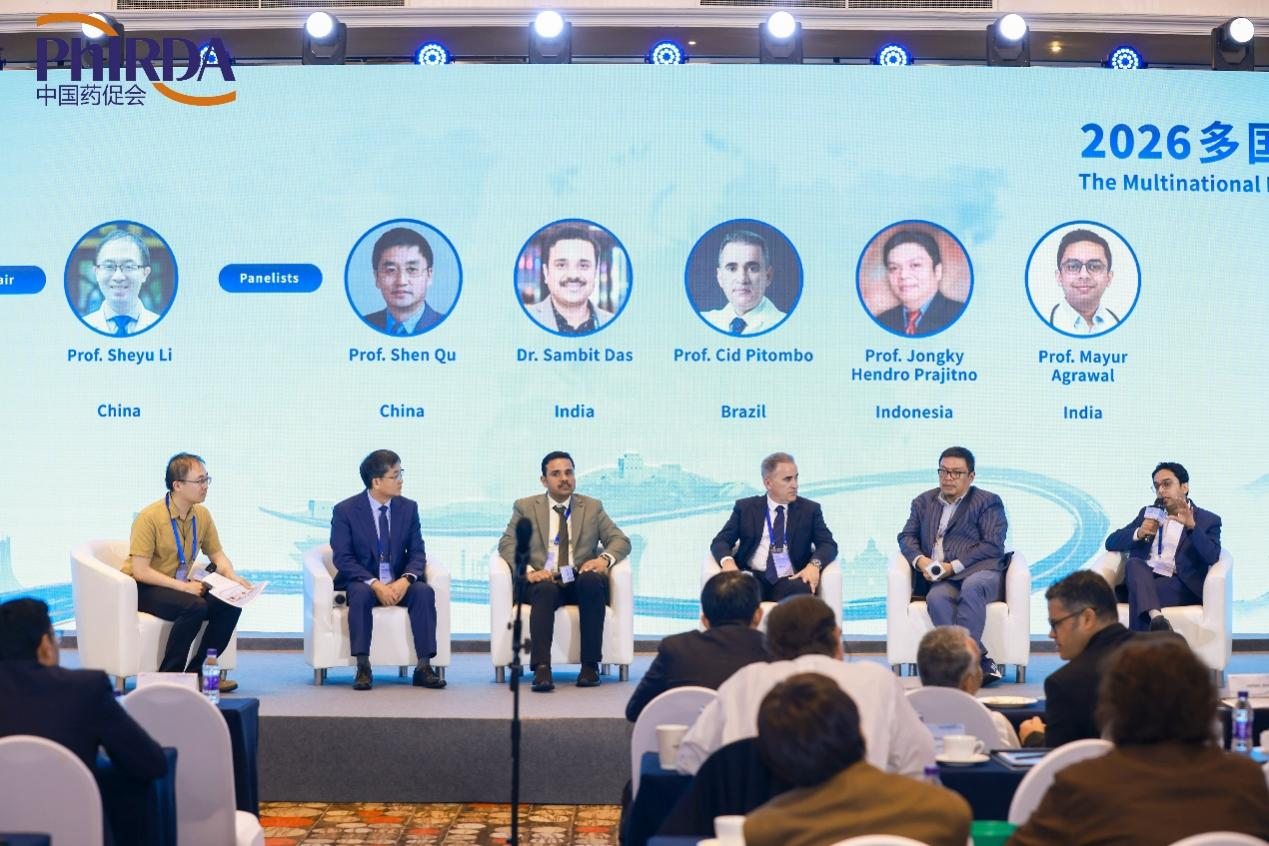
Panel discussion during Session 3.
Serving as a high-level platform for international exchange, this annual conference will continue to bridge multinational academic collaboration, facilitate the exchange of global clinical insights, share cutting-edge technologies, and accelerate the translation of innovative achievements. This will further drive the upgrading of diagnostic and therapeutic capabilities in endocrinology, bringing tangible benefits to metabolic disease patients worldwide.
 News & Events
PHIRDA 2026-06-17
544
News & Events
PHIRDA 2026-06-17
544
 News & Events
PHIRDA 2026-06-04
638
News & Events
PHIRDA 2026-06-04
638
 WeChat Official Account
Copyright © 2017-2020 PhIRDA All rights reserved. Technical Support:SZHD


 Top News