
 News & Events
 PHIRDA
  2026.06.01
 563
563
On May 12, 2026, the China Pharmaceutical Innovation and Research Development Association (PhIRDA) and the Hong Kong Science and Technology Parks Corporation (HKSTP) officially signed a Memorandum of Understanding (MoU) in Hong Kong. Under the agreement, the two sides will jointly establish a collaborative platform to support mainland pharmaceutical companies in key areas of international development, including clinical translation, global regulatory registration, international partnerships, investment and financing, and commercialization and market expansion, thereby accelerating the entry of China’s innovative drugs into international markets. The signing ceremony was witnessed by Mr. GE Ming, Commissioner for Industry (Innovation and Technology) of the Innovation, Technology and Industry Bureau of the Hong Kong SAR Government; Ms. FENG Lan, Vice President of PhIRDA; and Mr. Terry Wong, Chief Executive Officer of HKSTP.
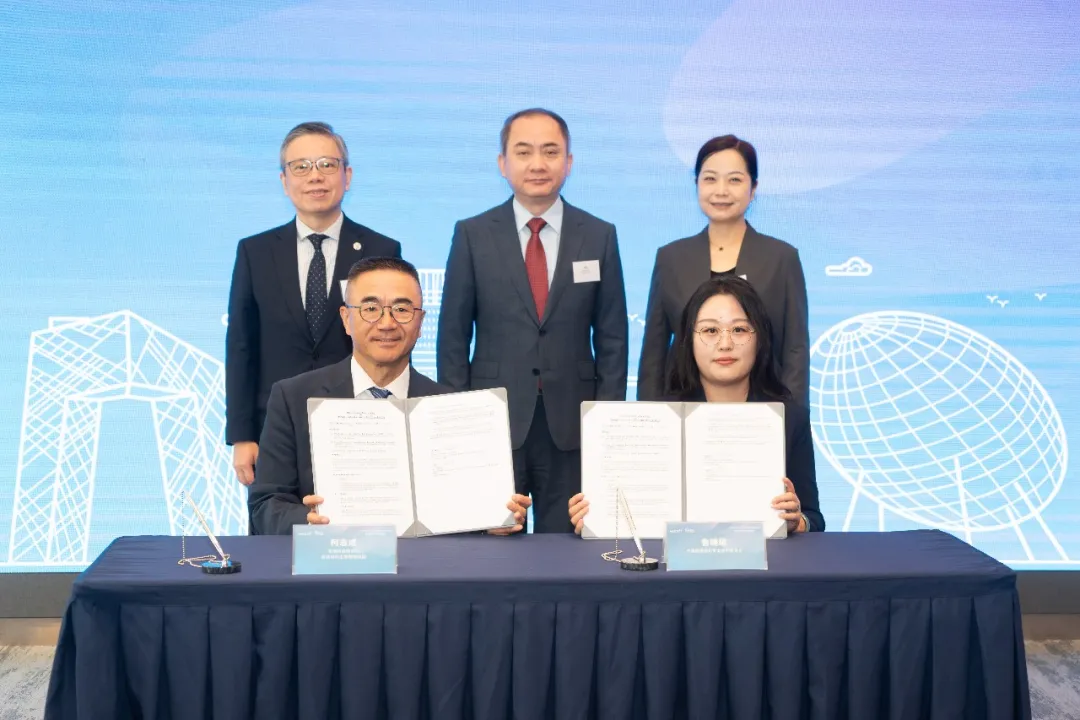
The MoU was signed by Ms. LU Xiaoti, Deputy Secretary General of PhIRDA, and
Mr. Eric Or, Chief Ecosystem Development Officer of HKSTP, on behalf of the two
sides. (From left to right: Terry Wong, GE Ming, and FENG Lan)
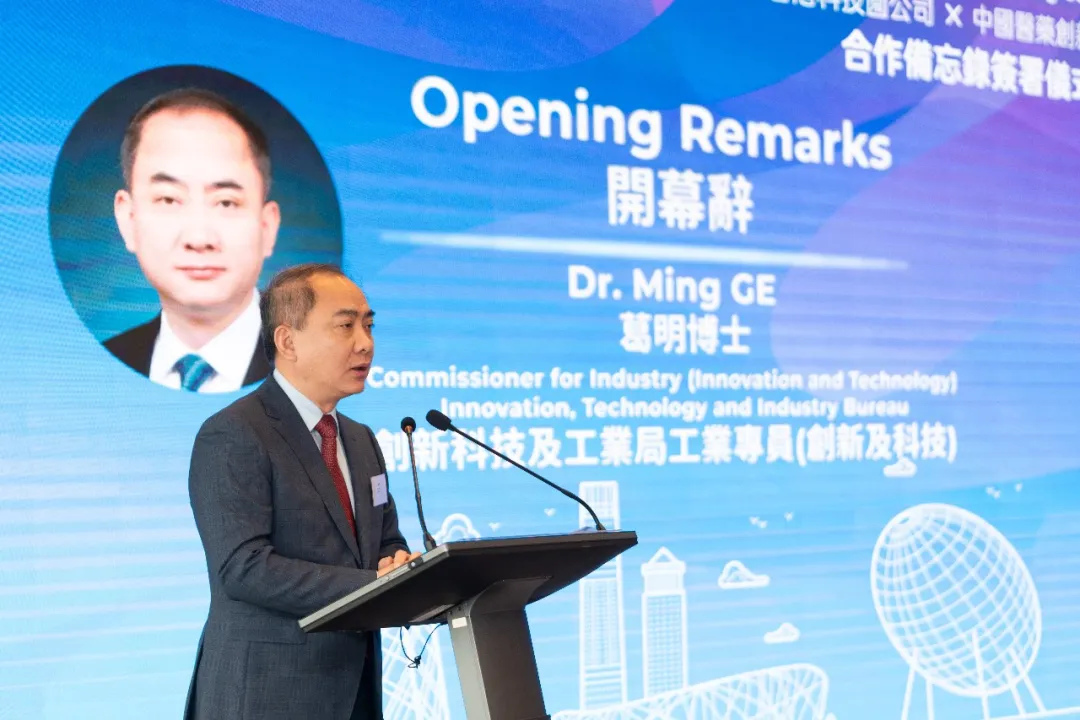
Mr. GE Ming, Commissioner for Industry (Innovation and Technology) of the Innovation, Technology and Industry Bureau, stated that Hong Kong is actively promoting the development of emerging and future industries in life and health sciences, including innovative medicines, diagnostics, and therapies. The signing of the MoU between PhIRDA and HKSTP will further integrate the strengths and resources of both regions, promote deeper integration between the healthcare innovation chain and industrial chain, and reinforce Hong Kong’s position as an international innovation and technology center.
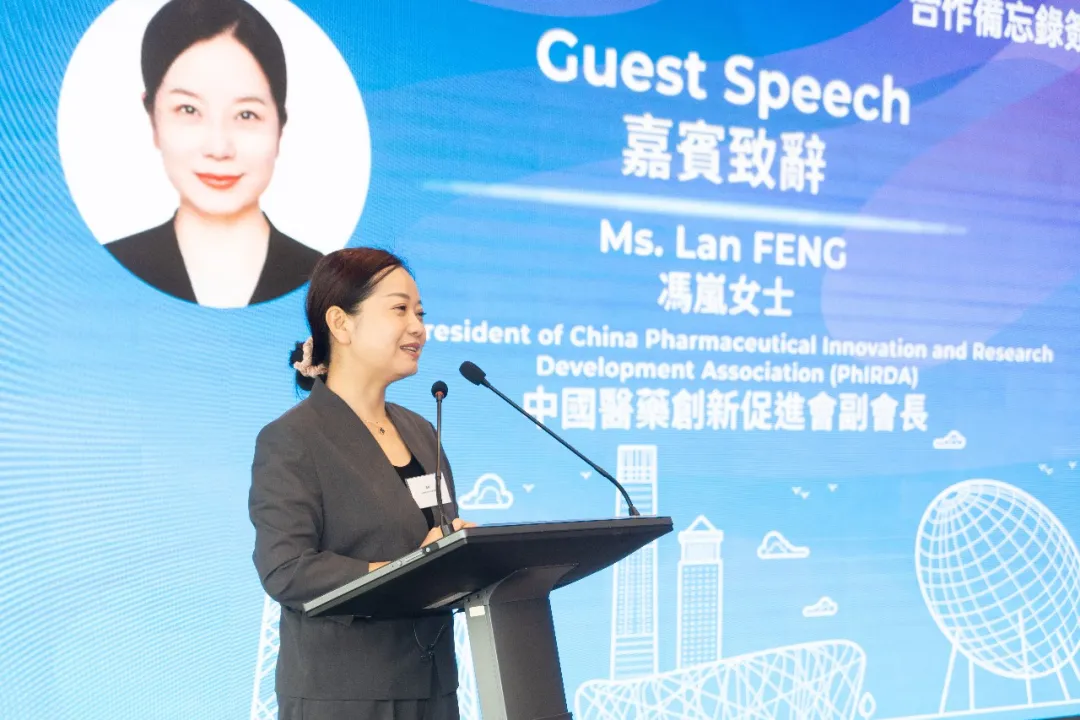
Ms. FENG Lan, Vice President of PhIRDA, noted that China currently places
great strategic importance on innovation-driven development in the
pharmaceutical industry. In the recently released 15th Five-Year Plan Outline,
the pharmaceutical industry was for the first time officially designated as one
of the nation’s “emerging pillar industries,” underscoring its elevated role
within China’s broader national development strategy. Against this backdrop,
Hong Kong’s strategic significance within the national innovation ecosystem has
become increasingly prominent. According to the World Intellectual Property
Organization’s (WIPO) Global Innovation Index 2025 ranking of the world’s top
innovation clusters, the “Shenzhen–Hong Kong–Guangzhou” innovation cluster
ranked first globally, demonstrating the Guangdong-Hong Kong-Macao Greater Bay
Area’s exceptional strengths and international influence in innovation resource
aggregation, technology commercialization, and global collaboration. Leveraging
its highly internationalized institutional environment, capital markets, and
scientific research capabilities, Hong Kong is rapidly emerging as a critical
hub connecting mainland China’s pharmaceutical innovation ecosystem with global
markets.
Ms. Feng emphasized that PhIRDA has long been committed to promoting exchanges and cooperation between the mainland and Hong Kong in areas including pharmaceutical regulation, industrial policy, capital markets, and innovation ecosystem development, while actively supporting the construction of Hong Kong’s biomedical innovation framework. From advocating for the implementation of Hong Kong’s Chapter 18A listing mechanism, to facilitating policy dialogue on regulatory system development, and continuously strengthening cooperation with organizations such as HKSTP, both sides have consistently explored effective pathways to support the global expansion of China’s innovative pharmaceutical industry. She further noted that the signing of this MoU represents another important milestone in deepening cooperation between PhIRDA and HKSTP. Going forward, both parties will strengthen resource coordination, promote the efficient flow of innovation factors, and continue enhancing the biomedical innovation ecosystem.
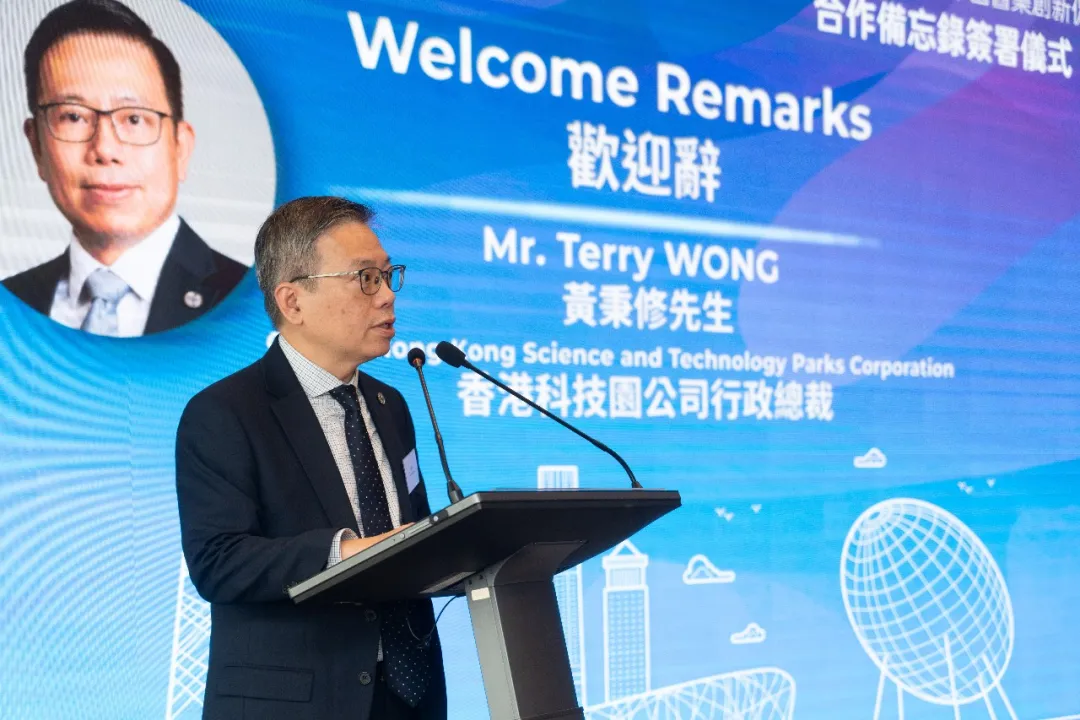
Mr. Terry Wong, CEO of HKSTP, said in his remarks:“Hong Kong is a strategic gateway for the nation’s innovative medicines to reach the world. With the unique advantage of being backed by the Motherland and connected to the world, Hong Kong can effectively link the Mainland’s pharmaceutical innovation momentum with international resources. At present, Hong Kong Science Park is home to more than 330 life and health technology companies. This memorandum creates a fast track purpose-built to help Chinese Mainland pharmaceutical companies ‘go global’, shortening the time from clinical development to global commercialisation. We look forward to working closely with PhIRDA to bring more of Chinese Mainland’s innovative medicines to people worldwide and to further consolidate Hong Kong’s position as an international hub for pharmaceutical R&D and investment.”
Moving forward, PhIRDA and HKSTP will adhere to the principles of
“complementary advantages, mutual benefit, coordinated advancement, and
long-term cooperation” and establish a regular cooperation mechanism. Practical
collaboration will focus on enterprise globalization services, resource
matchmaking, platform development, and regulatory coordination. Together, the
two sides will build an “Enterprise Globalization Acceleration Platform” to
provide mainland pharmaceutical companies with integrated solutions for
establishing and expanding operations in Hong Kong, including workspace support
and landing services. They will also jointly organize thematic study visits,
business matching activities, and high-level exchanges to facilitate deeper
connections between enterprises and Hong Kong as well as global industry
resources. In addition, both sides will work together to develop internationally
influential platforms for pharmaceutical innovation and investment exchange,
bringing together global innovation resources and capital to enhance the
international development capacity of the industry. Cooperation will also extend
to regulatory science innovation through the establishment of a regular
“regulator–industry” dialogue mechanism, promoting policy research, regulatory
alignment, and professional capacity building to facilitate more efficient
access of innovative drugs and medical devices to mainland China, Hong Kong, and
international markets.
The signing of the MoU marks a new stage of institutionalized and platform-based cooperation between the mainland and Hong Kong in the pharmaceutical sector. Looking ahead, PhIRDA will continue to leverage its strengths in resource integration and industry leadership within pharmaceutical innovation and investment, while working with HKSTP in its role as a coordinator of the innovation and technology ecosystem. Together, the two sides will accelerate the translation and commercialization of high-value innovations, support companies throughout the journey from R&D to commercialization, contribute to China’s innovation-driven development strategy, facilitate the integration of Chinese innovative medicines into global markets, and help position Hong Kong as a globally influential hub for life and health technology innovation, contributing more Chinese wisdom and solutions to global pharmaceutical innovation.
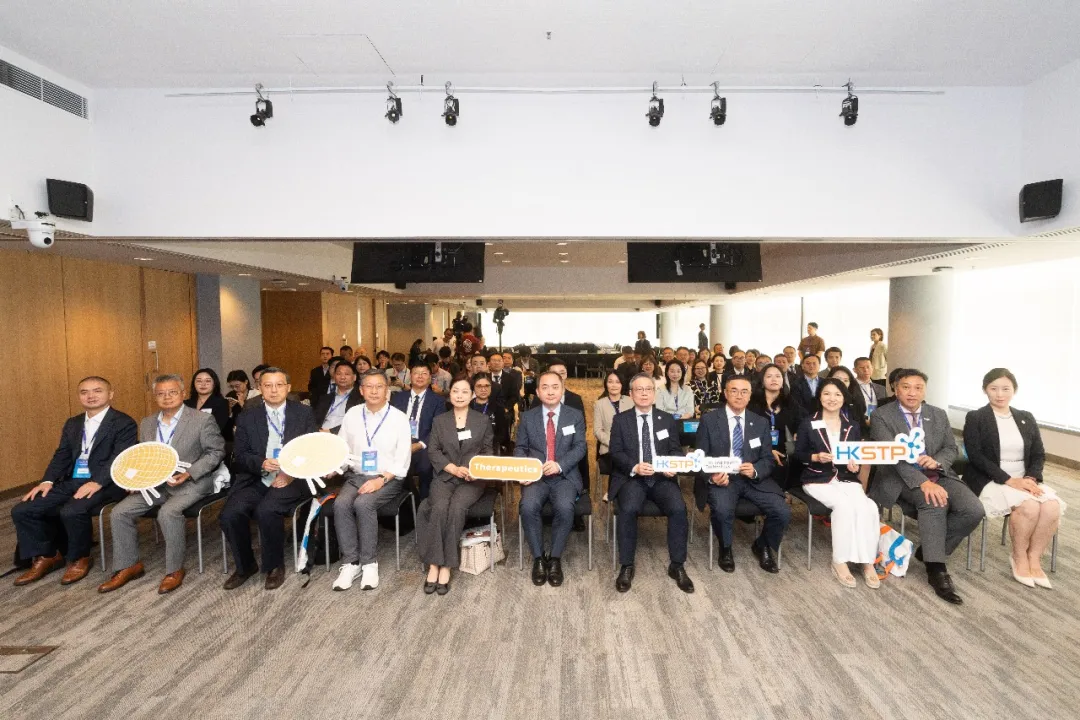
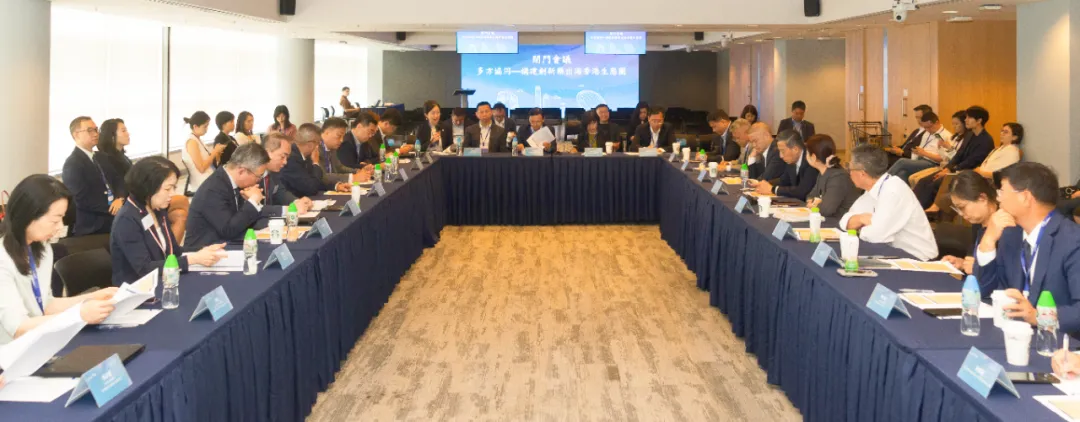
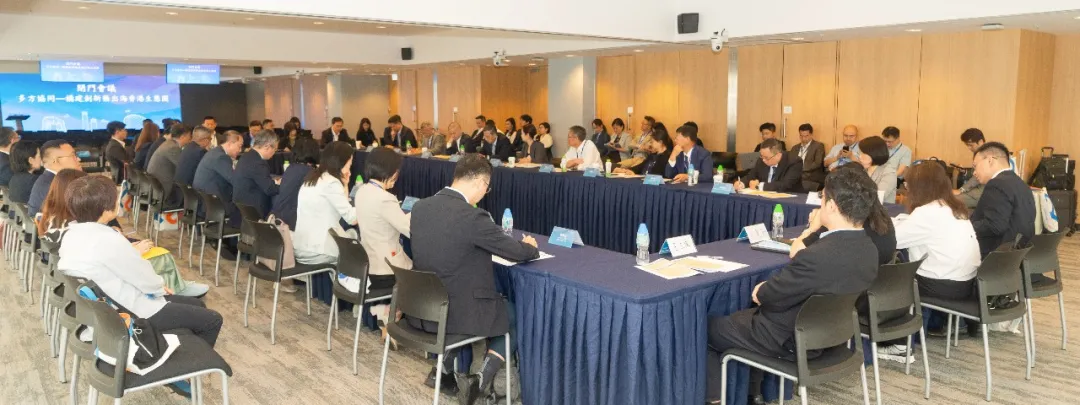
Following the signing ceremony, representatives from both sides jointly
participated in the Mainland–Hong Kong Exchange on the Internationalization of
Pharmaceutical Innovation Development. Mr. GE Ming, senior representatives from
HKSTP, and PhIRDA members engaged in in-depth discussions under the theme
“Multi-Stakeholder Collaboration: Building Hong Kong’s Ecosystem for the Global
Expansion of Innovative Medicines.” Participants exchanged views on key topics
including policy and regulatory coordination, industry ecosystem and platform
development, capital and investment mechanisms, and international collaboration.
Discussions also covered leveraging Hong Kong’s unique advantages under the “One
Country, Two Systems” framework, enhancing support systems for companies
expanding overseas, promoting compliant cross-border use of clinical data,
exploring the “Mainland R&D + Hong Kong Clinical Development + Global
Registration” pathway, and strengthening capital market support for innovative
pharmaceutical companies. All participants agreed that greater policy
coordination and resource integration between the mainland and Hong Kong are
essential to further optimize the allocation of innovation resources and jointly
foster a world-class international biomedical innovation ecosystem.
 News & Events
PHIRDA 2026-06-17
544
News & Events
PHIRDA 2026-06-17
544
 News & Events
PHIRDA 2026-06-04
638
News & Events
PHIRDA 2026-06-04
638
 WeChat Official Account
Copyright © 2017-2020 PhIRDA All rights reserved. Technical Support:SZHD


 Top News