
 News & Events
 PHIRDA
  2026.06.01
 554
554
On May 11, 2026, at the invitation of relevant institutions of the Hong Kong Special Administrative Region, Ms. Feng Lan, Vice President of China Pharmaceutical Innovation and Research Development Association (PhIRDA), led a high-level delegation of Chinese pharmaceutical companies to Hong Kong to participate in the 6th Asia Summit on Global Health (ASGH) and engage in exchanges on pharmaceutical industry development and regulatory policies. More than 40 representatives joined the delegation, including LU Xianping, Founder and Chairman of Shenzhen Chipscreen Biosciences; XUE Qun, Founder, Chairman and CEO, CANbridge Pharmaceuticals Inc.; WANG Wei, Chairman of Hong Kong WinHealth Pharma Group; CHEN Xiaoxin, Chairman and CEO of Guangdong Raynovent Biotech; TIAN Feng, Executive Director and CEO of JW Therapeutics; GUO Tong, CEO of Gobroad Research Center, Gobroad Healthcare Group; CAO Fei, Co-Founder, President and CFO of InxMed (Hong Kong) Limited; JIN Yiqun, General Manager of Wehand-Bio Pharmaceutical; HAN Xiaohong, Director of Clinical Pharmacology Research Center of Peking Union Medical College Hospital; and LU Xiaoti, Deputy Secretary General of PhIRDA.
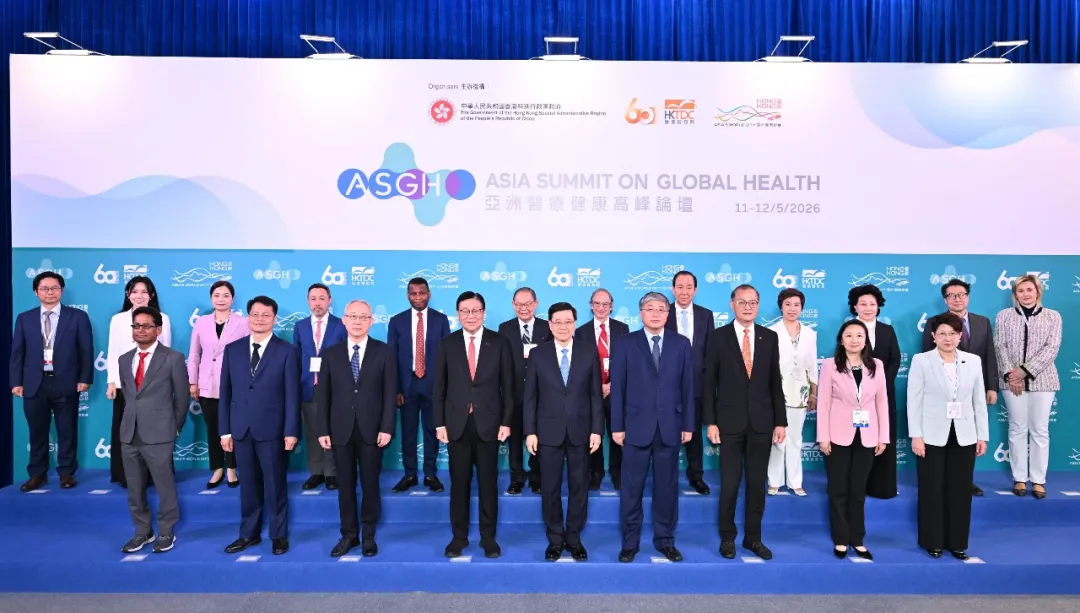
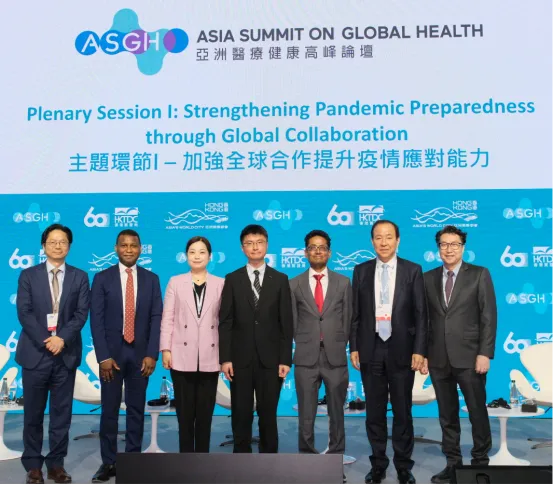
Ms. Feng Lan was invited to attend the opening ceremony of the ASGH on the
morning of May 11 and participated in the first Plenary session, “Strengthening
Pandemic Preparedness through Global Collaboration.” Ms. Feng noted that in the
face of global public health challenges, alongside the continuous improvement of
China’s pharmaceutical innovation capabilities and growing international
influence, China has evolved from being primarily a reserve provider of medical
supplies and pharmaceuticals to becoming a reserve of industrial innovation
capabilities. Chinese pharmaceutical companies now possess rapid-response
R&D capabilities, while China’s regulatory authorities can further shorten
innovative drug development timelines through mechanisms such as coordinated
review and development processes. Ms. Feng further pointed out that the
pharmaceutical industry has officially been designated this year as one of
China’s strategic emerging pillar industries. Under the guidance of this new
national strategy, Hong Kong’s role as a “super connector” should be further
leveraged. Taking the establishment of the Centre for Medical Products
Regulation (CMPR) as a historic opportunity, Hong Kong can accelerate the
internationalization of China’s innovative drugs and facilitate broader global
patient access.
Mr. XUE Qun, Founder, Chairman and CEO of CANbridge Pharmaceuticals was
invited to participate in the panel session “The Next Frontier in China’s
Healthcare Industry.” During the discussion, Mr. XUE shared insights on
accelerating innovation, R&D, and commercialization in China’s biotechnology
and pharmaceutical industry, as well as the transformative impact of digital
healthcare platforms and AI-driven medical solutions on China’s healthcare
system.
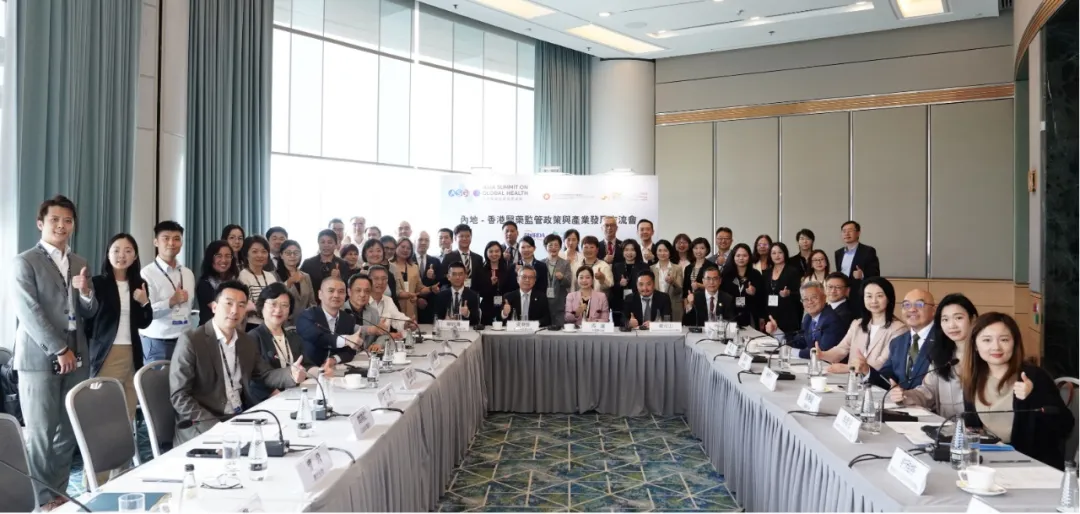
On the afternoon of May 11, PhIRDA and the Hong Kong Bio-Medical Innovation Association jointly hosted the “Mainland-Hong Kong Exchange on Pharmaceutical Regulatory Policies and Industry Development.” Opening remarks were delivered by WONG Yuen-shan, Head of the Chief Executive’s Policy Unit of the HKSAR Government; Terry Wong, CEO of Hong Kong Science and Technology Parks Corporation; Lot Chan, Assistant Director of Health (Preparatory Office for the Centre for Medical Products Regulation), Department of Health, Hong Kong SAR Government; and Johnson Ng, Director of Service Promotion of the Hong Kong Trade Development Council (HKTDC). Kevin Lam, Chief Pharmacist of the Preparatory Office for the CMPR under the Department of Health, introduced the establishment background and latest preparation progress of the CMPR.
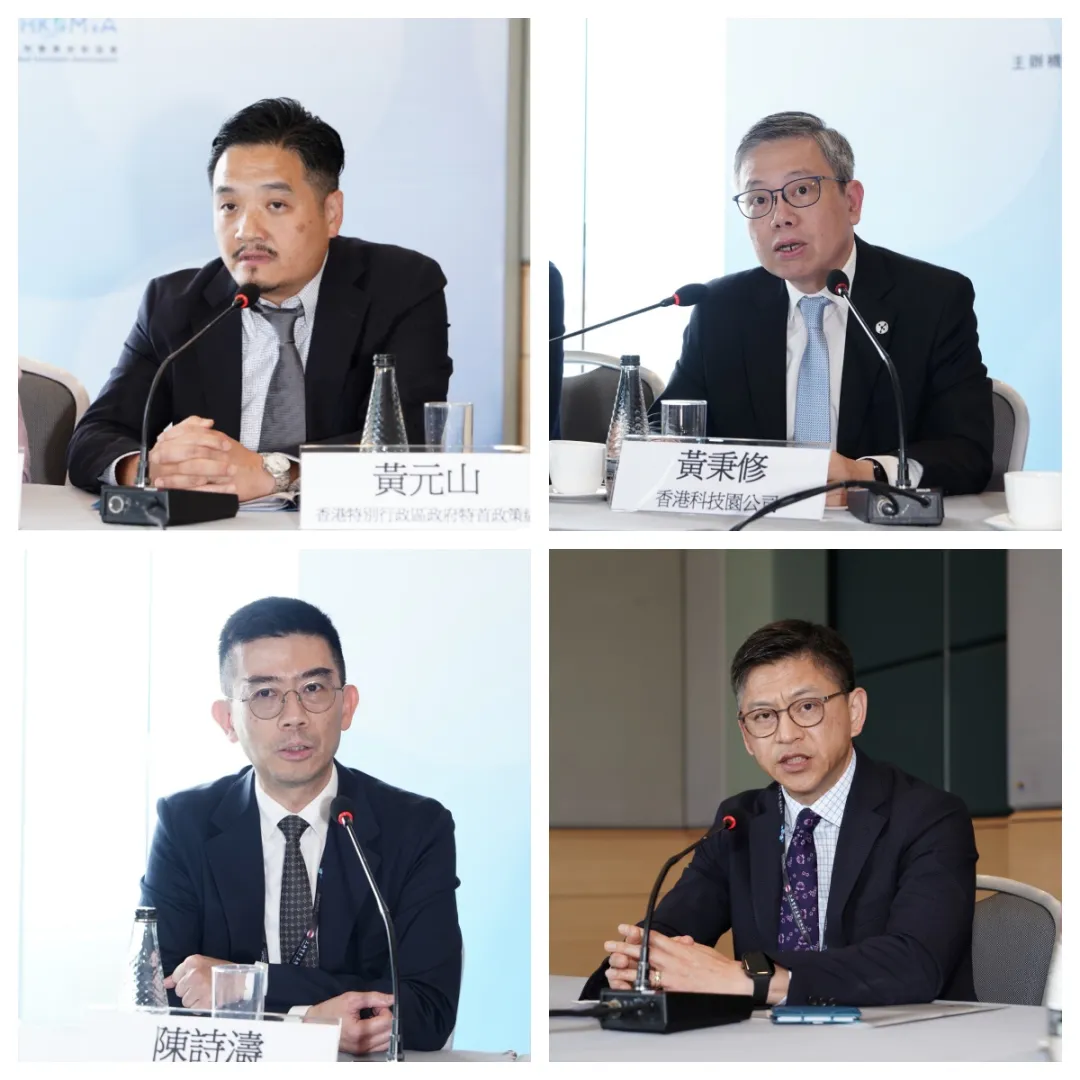
WONG Yuen-shan stated that China’s innovative drugs have already reached the
forefront of global innovation and emphasized the importance of transforming
China’s clinical achievements into internationally recognized evidence through
Hong Kong’s globally accepted standards. He further noted that Hong Kong should
serve not only as a gateway for Chinese innovative drugs to expand overseas, but
also as an international pricing platform for China’s innovative pharmaceutical
products.
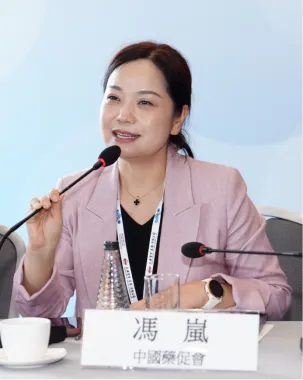
During the discussion, Ms. Feng pointed out that many innovative pharmaceutical companies listed in Hong Kong under Chapter 18A have not yet been included in the Stock Connect program, resulting in significant undervaluation and insufficient market liquidity. As a consequence, companies often face difficulties in accessing refinancing channels during critical R&D stages, undermining the original purpose of the Chapter 18A listing framework. Ms. Feng therefore suggested that Hong Kong and mainland securities regulators strengthen policy coordination and optimize the Stock Connect inclusion criteria in a manner more aligned with the development characteristics of innovative pharmaceutical companies.
Participants also engaged in in-depth discussions on a wide range of topics,
including measures to improve Hong Kong’s drug regulatory efficiency, mutual
recognition among international regulatory systems, resource coordination within
the Guangdong-Hong Kong-Macao Greater Bay Area, regulatory pathways for natural
products, accelerated approval mechanisms for rare disease therapies, regulatory
models for cell and gene therapies, and the development of regulatory talent
systems. The exchanges led to broad consensus on multiple issues and helped
identify future directions for further policy optimization and
collaboration.
 News & Events
PHIRDA 2026-06-17
549
News & Events
PHIRDA 2026-06-17
549
 News & Events
PHIRDA 2026-06-04
640
News & Events
PHIRDA 2026-06-04
640
 WeChat Official Account
Copyright © 2017-2020 PhIRDA All rights reserved. Technical Support:SZHD


 Top News