
 News & Events
 PHIRDA
  2026.04.13
 361
361
On October 26, 2025, the Innovation Translation and Clinical R&D Forum of the 10th China BioMed Innovation and Investment Conference (CBIIC) was held in Nanjing. The Forum coincided with a landmark moment for early translation clinical research: on the eve of the event, the State Council formally issued the Regulation on the Administration of New Biomedical Technology Clinical Research and Translational Clinical Application (hereinafter referred to as “Decree No. 818”). The day after the Forum, the National Medical Products Administration (NMPA) released the Good Clinical Practice(GCP) (Draft for Comment). These two landmark documents respectively establish a regulatory pathway for cutting-edge biomedical technologies from research to application, and set upgraded quality management standards for all drug clinical trials. Together, they form the institutional cornerstone of a new era for clinical research in China.
Against this backdrop, the Forum brought together authoritative experts from regulatory research institutions, leading medical centers and pharmaceutical enterprises, who delivered forward-looking interpretations and in-depth discussions on the future of early-stage innovation translation and clinical development in China under the new policy framework. The Forum featured intensive and insightful exchanges, generating valuable industry consensus and forward-looking perspectives. The Forum was hosted by the Innovation Translation and Clinical Development Professional Committee of the China Pharmaceutical Innovation and Research Development Association (PhIRDA). It was moderated by professor CUI Yimin, Eminent Chairman of the Committee and Director of Institute of Clinical Pharmacology, Peking University, and professor YANG Guoping, Vice Chairman of the Committee and Vice Dean of Xiangya School of Pharmacy, Central South University.
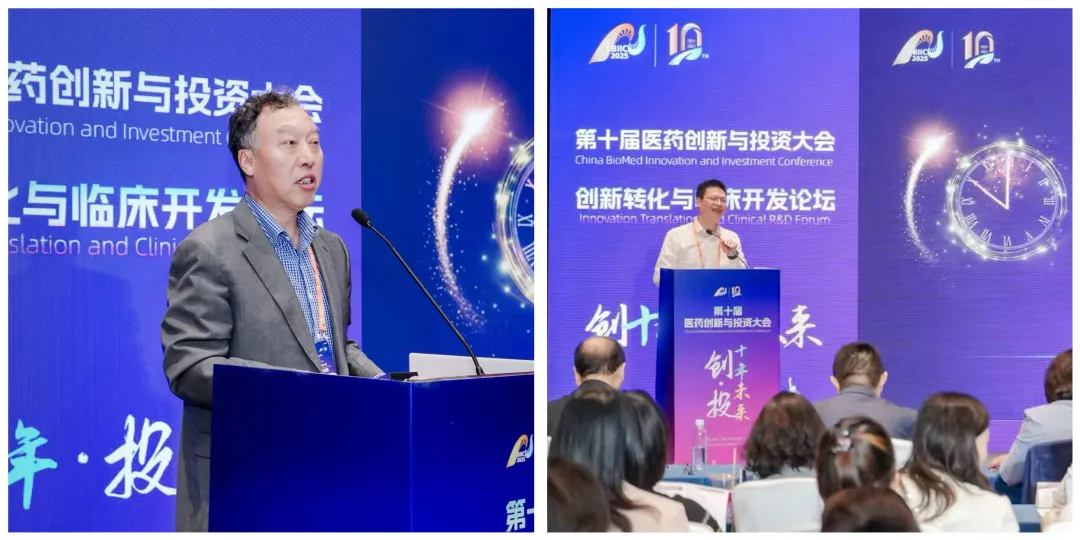
Left: CUI Yimin Right: YANG Guoping
LI Haiyan: From ICH E6(R3) to China’s GCP, Building a Higher-Level Standard System Based on Science
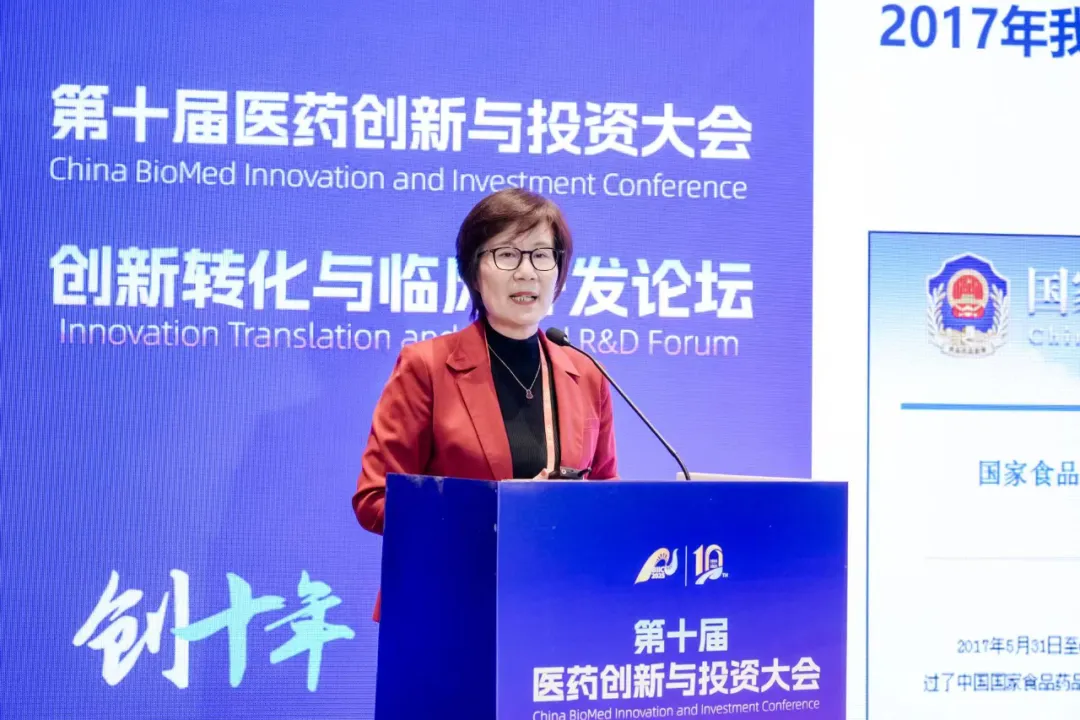
As the leader of the GCP revision work, Professor LI Haiyan Director of Drug
Clinical Trial Centre, Peking University Third Hospital and Chair of the
Innovation Translation and Clinical Development Professional Committee of
PhIRDA, delivered the authoritative interpretation at the forum. She stated the
core point upfront: “China’s GCP sets a higher bar than ICH E6(R3); this
revision is a legally binding regulation established on the basis of and
exceeding the international guiding principles.”
“The revised GCP retains two cornerstones: the protection of trial subjects and the reliability of clinical trial data,” Professor LI emphasized. “We have significantly strengthened requirements for Quality by Design (QbD) and risk proportionality, and newly added provisions on data governance. These revisions directly address the challenges posed by the growing complexity of clinical trials and the diversification of data types today.” This marks a new phase in China’s clinical trial regulation, evolving from “alignment with international standards” to “building a forward-looking, high-quality local regulatory system”. Professor LI also revealed that the revision took 18 months, drawing extensively on international experience while integrating closely with China’s regulatory practice. The outcome is a three-tier implementation system covering GCP normative documents, a full Chinese translation of ICH E6(R3) with supporting inspection criteria, as well as guiding principles and professional training programs.
Finally, Professor LI underscored the importance of cross-industry collaboration. She expressed the hope that resources from the pharmaceutical industry, research institutions, investors and other stakeholders would be integrated through dedicated platforms. Only with joint efforts and consolidated synergy, she noted, can China’s clinical research gain a stronger voice on the global stage.
GAO Chenyan: IIT from the Perspective of Regulatory Science: Reshaping the Early Innovation Path in the New Regulatory Framework
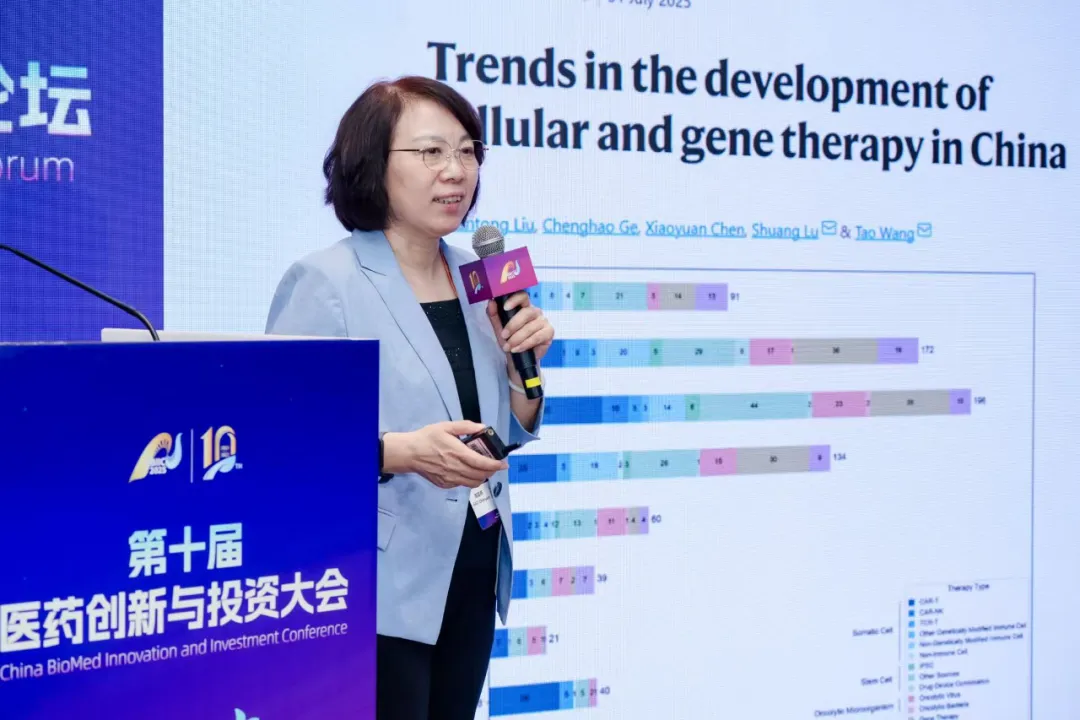
Professor GAO Chenyan, Leading Scientist at Changping Laboratory, delivered a
presentation entitled “Investigator-Initiated Clinical Research and Cutting-Edge
Therapeutic Innovation from a Regulatory Science Perspective”. She
systematically reviewed the development of cell and gene therapy (CGT) products
in China, as well as the positioning and challenges of IIT under the new policy
environment. Using detailed data, she demonstrated that in CGT and related
fields, IIT has both preceded registered clinical trials in terms of launch time
and accounted for a larger number of studies. She also pointed out that previous
IIT faced challenges such as complex regulatory pathways and inconsistent
quality.
Professor GAO emphasized that IIT plays an irreplaceable role in early proof-of-concept research. At the same time, she made it clear that if IIT data are to support subsequent registration studies, the “consistency between the product used in early IIT and the product intended for IND application” must be ensured as a key requirement for successful research translation. She recommended that China should establish risk-based legislation for human subject research, draw on international experience from the European Union, Japan and other regions, improve the legal status and regulatory pathways for IIT, and advance early clinical research in China “from exploration to system-building, from flexibility to standardization”.
HAN Xiaohong: Accelerating Rare Disease R&D: Realizing Value Empowered by Policy
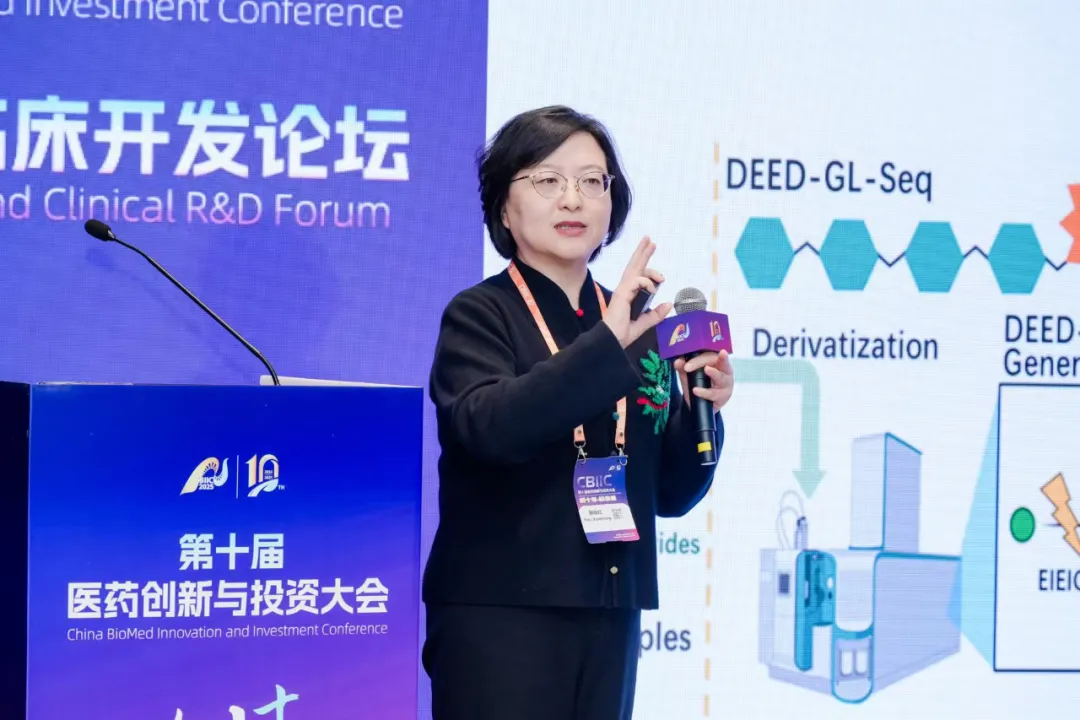
Professor HAN Xiaohong, Clinical Pharmacology Research Center, Peking Union
Medical College Hospital, on behalf of the team led by President ZHANG Shuyang,
shared the latest progress in rare disease drug R&D. She noted that although
China’s rare disease R&D started relatively late, it has grown rapidly, with
an annual growth rate of 34%, higher than the global average of 24%. This
achievement has been driven by policy incentives and early
industry-academia-research collaboration. The share of Chinese academic
institutions involved in novel rare disease drug development is also higher than
the global level, reflecting the strengths of medical-research synergy.
Against the reality that 95% of rare diseases still lack effective treatments, Peking Union Medical College Hospital has significantly improved diagnosis and treatment efficiency through a series of innovative measures, including establishing the National Rare Disease Diagnosis and Treatment Collaboration Network and developing the AI-assisted diagnosis tool “Xiehe·Taichu”. It has also pioneered a new multidisciplinary diagnosis and treatment model for rare diseases. Over the past three years, Peking Union Medical College Hospital has launched 96 new rare disease clinical trials, 70% of which are for innovative drugs. Professor HAN concluded that future efforts should continue to promote a patient-centered R&D model, enhance drug accessibility, and expand benefits for more rare disease patients.
ZHANG Jing: Dual Upgrading of Quality Management for Innovative Drugs and Generic Drugs Under New Policies
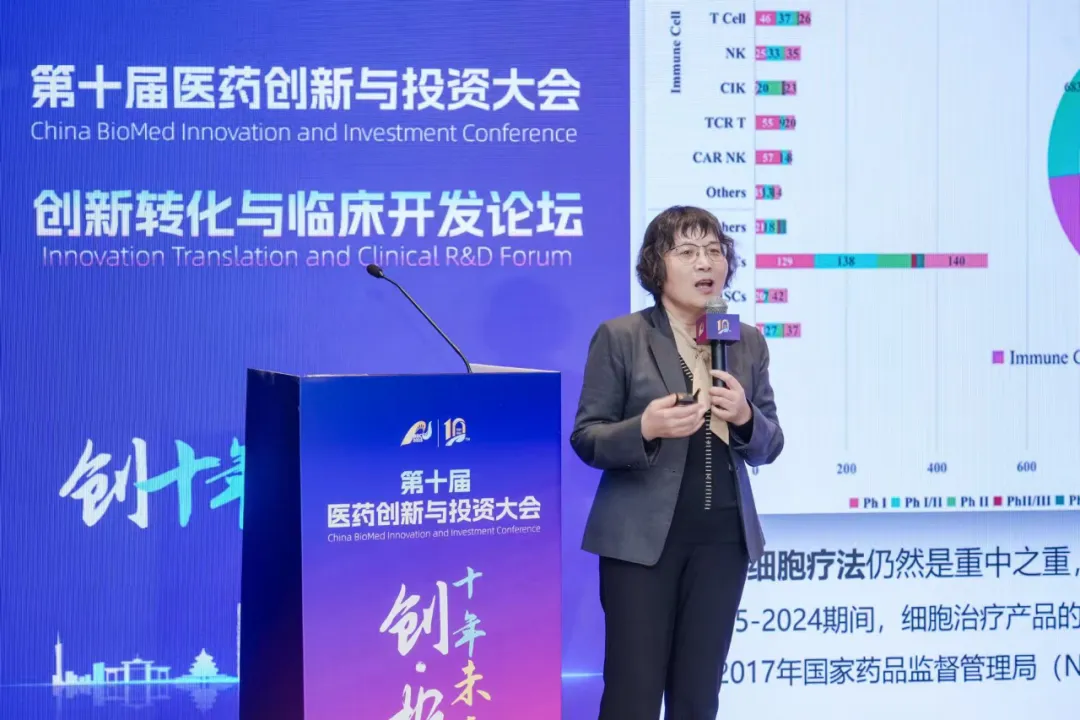
Professor ZHANG Jing from Huashan Hospital, Fudan University, delivered an
in-depth interpretation of the new Phase I clinical trial regulation issued this
June. She stated that the revision was imperative and mainly embodied four major
changes: risk management and emergency response plans, patient-centered trials,
protection of trail subjects rights, and electronic management of trial
records.
The new regulation sets higher requirements for the responsibilities of all parties. Professor ZHANG emphasized that, in terms of personnel qualifications, the new policy clearly requires principal investigators to have experience in three Phase I trials, and for the first time includes clinical pharmacology professionals in the research team. Regarding facility construction, the new rules stipulate that each clinical trial bed must be equipped with oxygen supply and negative pressure suction devices. The quality management system requires the establishment of an independent quality assurance department and the implementation of a master scheduling system to achieve refined management from projects to individual beds. She also stressed the importance of computerized system validation, noting that it is key to ensuring data reliability.
Notably, the new policy added a chapter on “Patient-Centered Phase I Clinical Trials” requiring separate management of trial patients from other outpatients and full electronic process management. Professor ZHANG concluded that the new regulation embodies the core principles of “science, ethics and standardization” driving Phase I research toward higher quality.
ZHENG Xiaoyu: Research Hospitals Emerge as a New Engine Linking Innovation and Industry, with Clinical Strategy and Efficiency as the Key
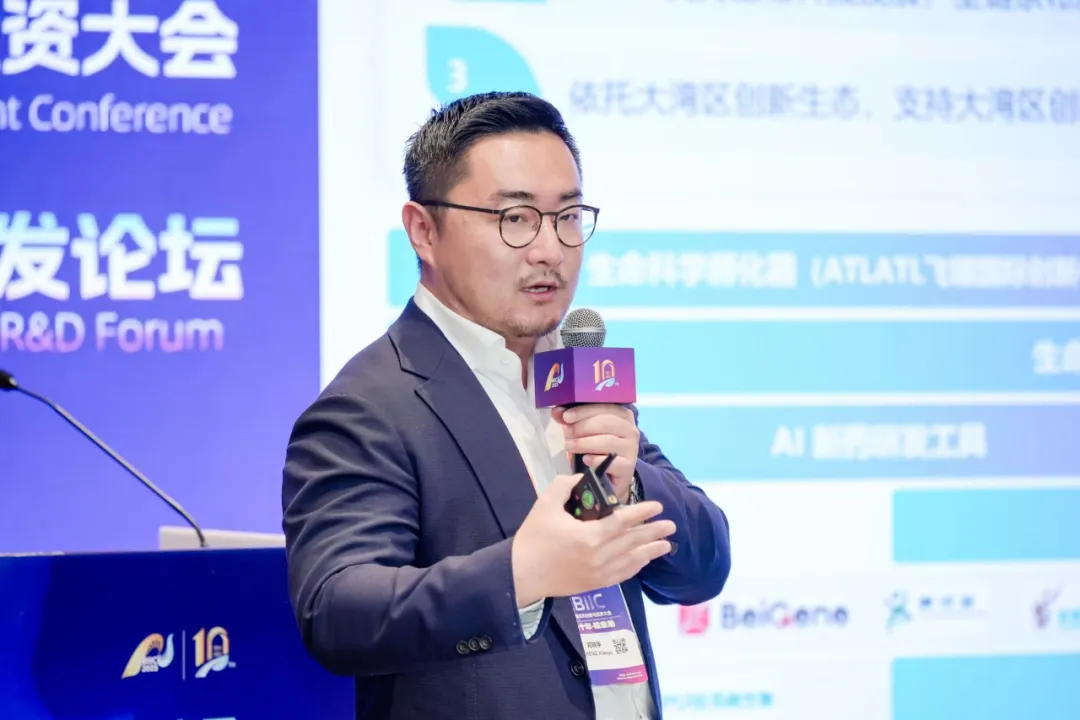
Mr. ZHENG Xiaoyu, CEO of GoBroad Healthcare Group, stated in his presentation
that research hospitals are becoming critical infrastructure for the innovative
drug industry chain. Clinical research, especially early-stage research, not
only determines the “second life” of drugs but also shapes the global
competitiveness of innovative products. He noted that China’s pharmaceutical
innovation is moving from the laboratory to clinical validation, and the
systematic development of research hospitals will provide institutional and
capability support for this transition.
Mr. ZHENG Xiaoyu outlined four stages in the development of research hospitals: shifting from clinical practice supplemented by research, to providing integrated ARO services, to collaborative development, and ultimately to original innovation with independent IP. Addressing industry pain points, he pointed out that China is not short of high-quality products or scientists, but lacks high-quality clinical strategies. He also highlighted that the value of IIT studies in China is gaining global recognition: “Overseas companies choose to conduct IITs in China precisely because of the abundant patient resources and data quality that can support FDA submissions.”
Panel: In-depth Focus on IIT Research, Jointly Drawing a New Blueprint for the Development of China’s Innovative Drugs
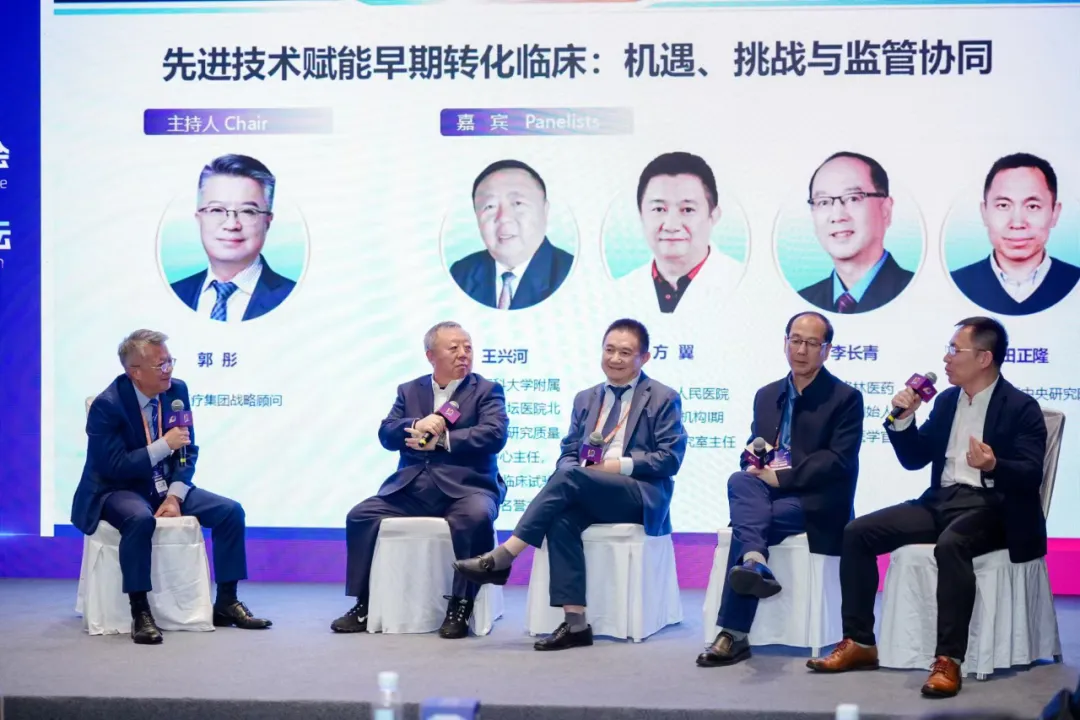
At the conclusion of the forum, Dr. GUO Tong (Strategic Advisor, Gobroad
HealthCare Group), Professor WANG Xinghe (Beijing Shijitan Hospital), Professor
FANG Yi (Peking University People’s Hospital), Dr. LI Changqing (Evergreen
Therapeutics), and Executive Vice President TIAN Zhenglong (Central Research
Institute, Shanghai Pharma Group) held an in-depth discussion on the
opportunities and challenges facing China’s IIT and early-stage clinical
research against the backdrop of the issuance of Decree No. 818 and the revised
GCP draft. The panel shared multi-dimensional insights into China’s early-stage
clinical research ecosystem, covering forward-looking regulatory systems, the
bottom line of scientific exploration, the potential of technology empowerment,
and the pursuit of international mutual trust, jointly mapping out a realistic
path and future vision for China’s innovation translation amid the new policy
cycle.
Reassessing the Value and Risks of IIT
Professor WANG Xinghe pointed out that IIT has become a pivotal component of China’s clinical research driven by innovation, yet numerous controversies persist regarding regulatory jurisdiction, quality control, and data acceptability. Particularly following the release of Decree No. 818, cell and gene therapy sectors have regained momentum, requiring the industry to strike a balance between scientific rigor and risk prevention and control. He emphasized: “Quality and ethics are the key to IIT. China must build its research system in line with international standards; otherwise, innovation will never gain real global recognition.”
Professor FANG Yi talked about the shortcomings in the scientific review system for IIT from the frontline of clinical practice. Reflecting on three decades of China’s innovative drug development, he noted that “uneven expertise of scientific committees and excessive administrative risks” have become major bottlenecks hindering IIT implementation. He proposed that top-level design should establish a coordination mechanism between scientific research and regulation, enabling scientists to conduct truly original clinical exploration in a safe and controllable manner.
The Significance of Decree No. 818 and the Revised GCP Draft
On the introduction of Decree No. 818, Professor FANG Yi stated that it represents “an exploration rather than a final conclusion,” noting that the regulation adopts a pilot approach to observe risks and practical feedback, encouraging researchers to embrace innovation. Professor WANG Xinghe added that the new regulatory rules set higher standards for Phase I trial institutions, signaling that future regulation will prioritize research quality over institutional qualifications.
From the dual perspectives of industry and regulation, Dr. LI Changqing remarked that Order Decree No. 818 has elevated IIT from a “localized initiative” to a “national strategic priority”, granting greater institutional space for China’s early-stage clinical research. He stressed that IIT—where lessons are drawn from failures and hypotheses are validated through small-scale trials—is a critical pathway to advancing the high-quality development of innovative drugs, adding that “low-cost failure” is an essential feature of an innovation ecosystem. He also noted that with the accumulation of high-quality clinical data, China has emerged as a key global hub for early-stage validation of innovative drugs, boosting international investor confidence and reshaping China-foreign cooperation models.
From the industrial perspective, Executive Vice President Tian Zhenglong pointed out that the core of regulatory adjustments remains “research quality”. He called for regulation to be guided by objective quality metrics and the establishment of scientific, impartial standards to enable more high-level research institutions to participate in early-stage clinical research. “A continuously optimizing regulatory mechanism will be the inherent driving force behind China’s pharmaceutical innovation”. He emphasized, the ultimate goal of policies is to promote industry -university-research collaboration and scientific decision-making.
Ecosystem Construction and Future Directions
On the topic of “building an IIT innovation ecosystem,” Dr. LI Changqing proposed that the future focus lies in “establishing a full-cycle ecosystem spanning regulation to technology.” Leveraging new technologies such as AI to facilitate patient recruitment, data simulation and quality control will help achieve international mutual trust for Chinese clinical data. He argued that IIT should not only address scientific challenges but also support international cooperation and strengthen China’s voice in global drug development.
Professor Fang Yi further noted that China’s innovation should extend beyond cell and gene therapy to the modernization and mechanism reconstruction of traditional Chinese medicine (TCM). Citing a successful case where a TCM component was transformed into a CGT innovative drug, he illustrated that IIT is the core pathway for TCM innovation to go global. Professor WANG Xinghe reminded that future high-quality clinical research institutions must prioritize safety and quality, undertaking high-risk trials while establishing internationally standardized ethical and quality systems.
In his concluding remarks, Executive Deputy Dean TIAN Zhenglong stated that the real breakthrough for China’s innovative drugs lies in a patient-centric industry-university-research closed loop. With policy support, scientific research and industrial collaboration, Decree No. 818 and the revised GCP draft are poised to usher in a new era for China’s early-stage clinical research.
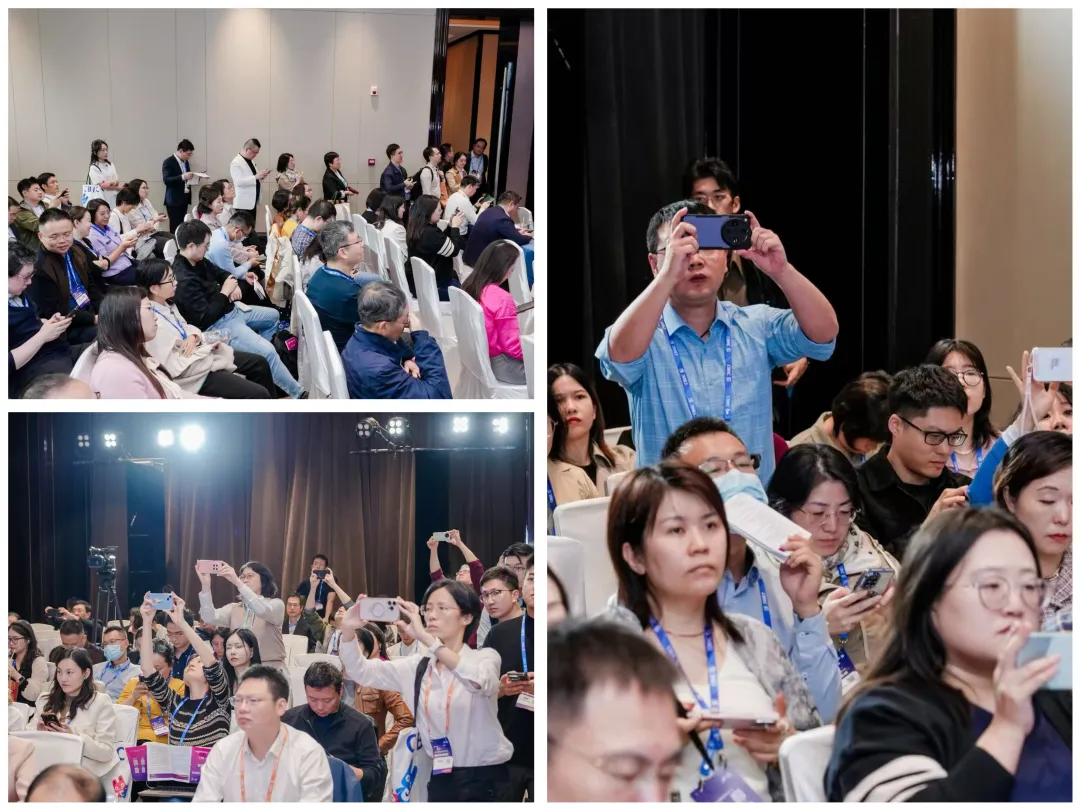
The three-hour forum was a resounding success. As a core segment of the 10th
CBIIC, it was held at a historic moment following the successive release of the
State Council’s Decree No. 818 and the revised GCP draft for comment. The forum
not only delivered an incisive interpretation of the core essence of the new
regulatory policies and built industrial consensus, but also sent a clear signal
to the global market: China’s pharmaceutical innovation ecosystem is maturing
rapidly, undergoing a strategic transformation from a “follower” to a “peer
competitor” and even a “leader.” The panel also explored the vital contributions
of early-stage translation and clinical research to industrial upgrading in the
next decade.
 News & Events
PHIRDA 2026-06-17
549
News & Events
PHIRDA 2026-06-17
549
 News & Events
PHIRDA 2026-06-04
640
News & Events
PHIRDA 2026-06-04
640
 WeChat Official Account
Copyright © 2017-2020 PhIRDA All rights reserved. Technical Support:SZHD


 Top News