
 News & Events
 PHIRDA
  2026.04.13
 375
375
On October 26, 2025, the Weight Loss Innovation R&D Forum of the 10th China BioMed Innovation and Investment Conference (CBIIC) was successfully held in Nanjing. Moving beyond the early-stage question of “whether drugs can effectively reduce weight”, the Forum conducted in-depth discussions on the value of efficacy, long-term adherence, and benefits for complications, marking that weight loss drug development has officially entered a new stage of refined, differentiated competition guided solely by clinical value.
01
Keynote Speeches: Clinical Data Demonstrate New R&D Trends
In the first session of the Forum, five experts from academia and industry clearly outlined the evolutionary direction of the weight management field.
Trend I: Fundamental Shift in Clinical Endpoints – From “Weight Loss” to “Disease Treatment”
Professor JI Linong, Director of Endocrinology and Metabolism Department, Peking University People’s Hospital, noted in his opening speech that obesity drug development is undergoing a fundamental transformation: from focusing purely on weight reduction to centering on “clinical obesity” as defined by The Lancet – that is, targeting the 18 types of complications directly caused by obesity. Current GLP 1 receptor agonists have approached the pharmacological and physiological limits in reducing central obesity. Future breakthroughs will lie in multi-target, multi-efficacy drugs, muscle-protection strategies, and long acting/oral formulations that improve adherence. He emphasized that, given the confirmed central role of GLP 1 receptor agonists in achieving cardiorenal benefits, prioritizing their mechanisms in innovative R&D is key to ensuring the clinical value of new drugs. In addition, he reminded the industry that all clinical trials conducted in China should be registered not only on the CDE website but also preferably on WHO recognized registration platforms in advance. This is the foundation for improving international transparency of research, publishing high-quality scientific papers, and gaining international recognition.
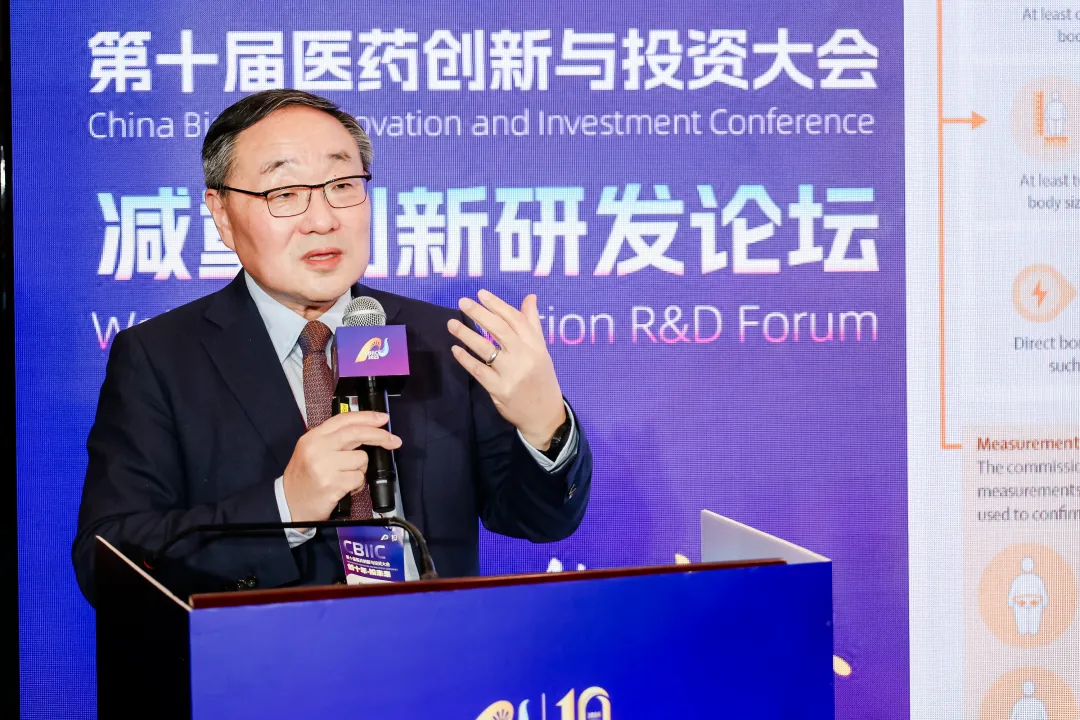
JI Linong, Director of Endocrinology and Metabolism Department, Peking
University People’s Hospital
Trend II: “Muscle Gain & Fat Loss” Moves from Concept to Clinic, Combination Therapy Becomes Key Breakthrough
Gary WANG, Vice President and Head of Clinical Development at Laekna Pharmaceutical Co., Ltd., presented detailed positive Phase II clinical data of combination of bimagrumab with semaglutide from Lilly. He noted that this study provided clear proof-of-concept for “muscle gain and fat loss”: the combination of GLP 1 agents and ActRII targeting drugs achieves synergistic weight and fat loss, while significantly reducing muscle loss, making it a promising next generation high quality weight loss therapy. He also introduced the clinical progress of Laekna’s first-in-class drug LAE102 (ActRII monoclonal antibody), which has initially demonstrated favorable safety, target-binding activity, and potential for muscle gain and fat loss. He further envisioned that GLP 1 based combination therapies targeting novel specific mechanisms will become an important paradigm for next generation metabolic drug development.
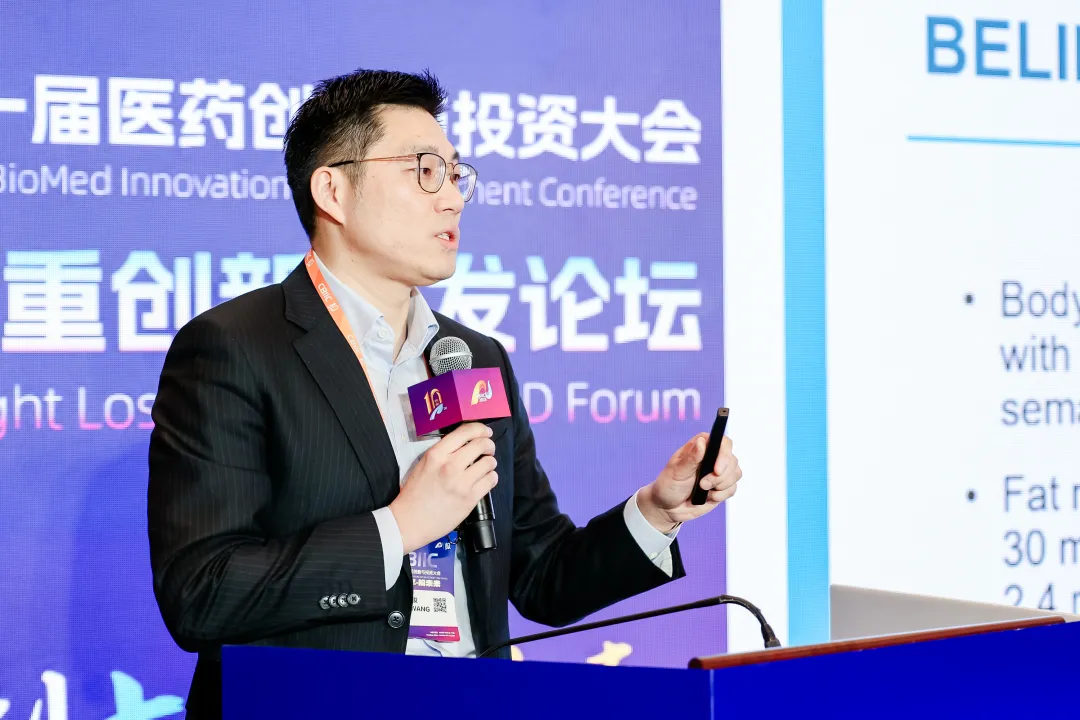
Gary WANG, VP, Head of Clinical Development, Laekna
Trend 3: Ultra-Long-Acting Formulations Emerge, Competition for Adherence Intensifies
High patient discontinuation rates remain one of the greatest challenges in weight management. ZHANG Yuanyuan, Co-founder, R&D SVP of Beijing QL Biopharmaceutical Co., Ltd., systematically reviewed the global landscape of monthly weight management formulations and compared Phase II data of two leading products. Citing clinical data for her company’s product zovaglutide, she showed that at the same total dose, monthly dosing resulted in a lower incidence of gastrointestinal reactions during the stable treatment phase compared with biweekly dosing, providing new evidence for the advantages of monthly formulations. She projected that the first monthly formulation could launch in 2028. Finally, she looked toward even longer acting therapies, noting that cutting edge research – including RNA based therapies dosed quarterly or biannually – has emerged, opening a possible path toward the future “obesity vaccine” concept.
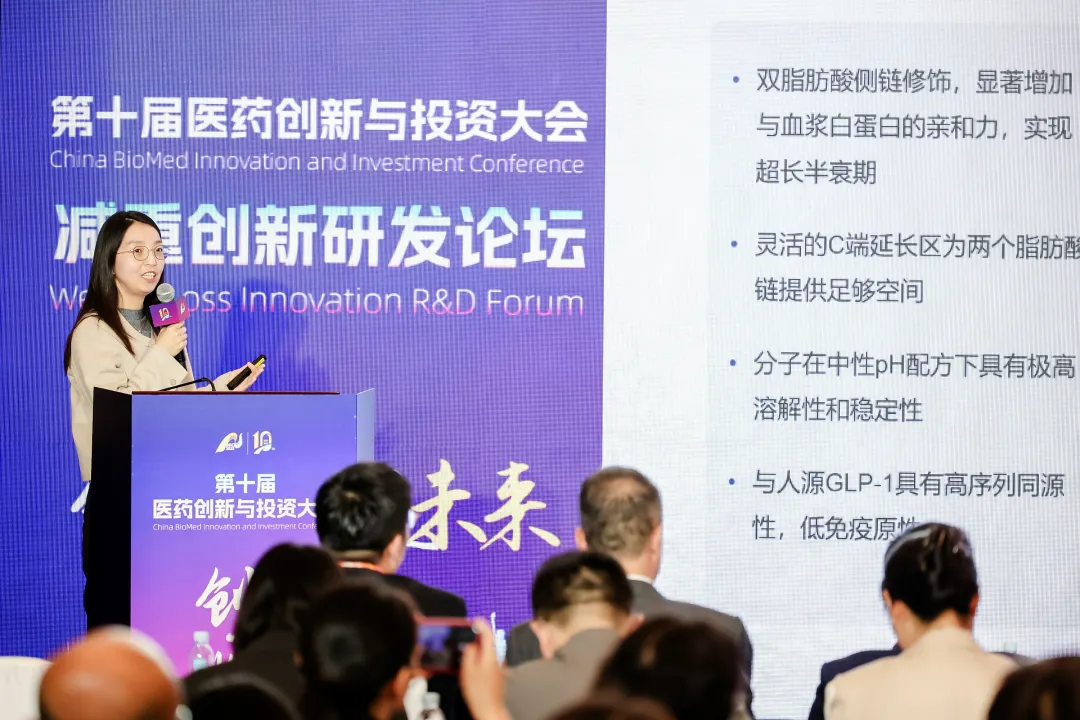
ZHANG Yuanyuan, Co-founder, R&D SVP of Beijing QL Biopharmaceutical Co., Ltd.
Industry Insights: Weight Loss Rises to Global R&D Frontier, Innovation Models Face Challenges
KANG Wei, Former Managing Director of RDPAC and Founder of the Guangdong-Hong Kong-Macao Greater Bay Area Pharmaceutical Innovation Federation, offered unique perspectives from a global industry viewpoint. She pointed out that the weight loss sector enjoys a distinctive advantage: patients have strong payment capacity and willingness, and large out-of-pocket demand creates a favorable market return environment for innovation. Meanwhile, she highlighted potential challenges: in the patent protection of GLP 1 receptor agonists in the weight management field, over half (approximately 57%) of patent protection focuses on delivery devices/drug-device combinations rather than the active pharmaceutical ingredients themselves. Companies need to proactively build robust intellectual property and differentiation strategies early in new drug development to prepare for intense future competition.
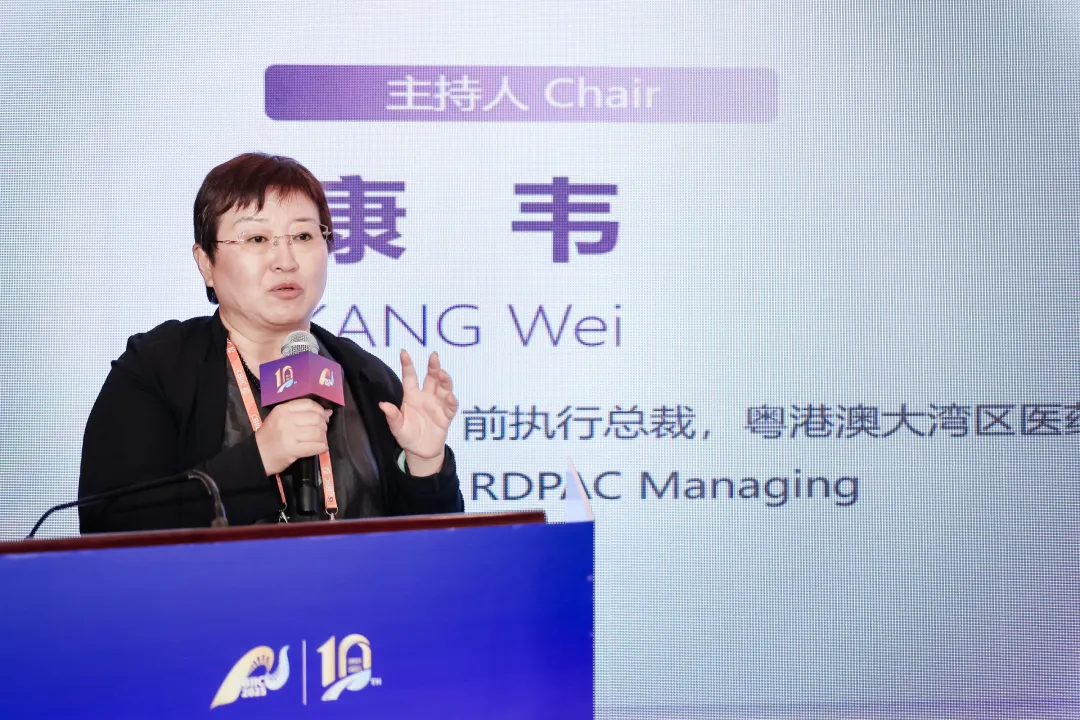
KANG Wei, Former RDPAC Managing Director, Founder of the Guangdong-Hong
Kong-Macao Greater Bay Area Pharmaceutical Innovation Federation
CHEN Hong, Senior Director of Clinical R&D Medical Affairs at Jiangsu Hengrui Pharmaceuticals Co., Ltd., elaborated on the company’s strategic considerations in the metabolic field from a macro perspective. She noted that weight loss drug development is not only about weight reduction but also about treating obesity related diseases such as MASH, cardiovascular diseases, and chronic kidney disease. Hengrui has systematically expanded its R&D portfolio into chronic disease pipelines. While introducing the R&D progress of its products including the GLP 1/GIP dual-target drug HRS9531 and oral small molecule GLP 1 agent HRS7535, she also outlined trends in weight loss drug development: driven by clinical needs, therapies will become increasingly precise and personalized.
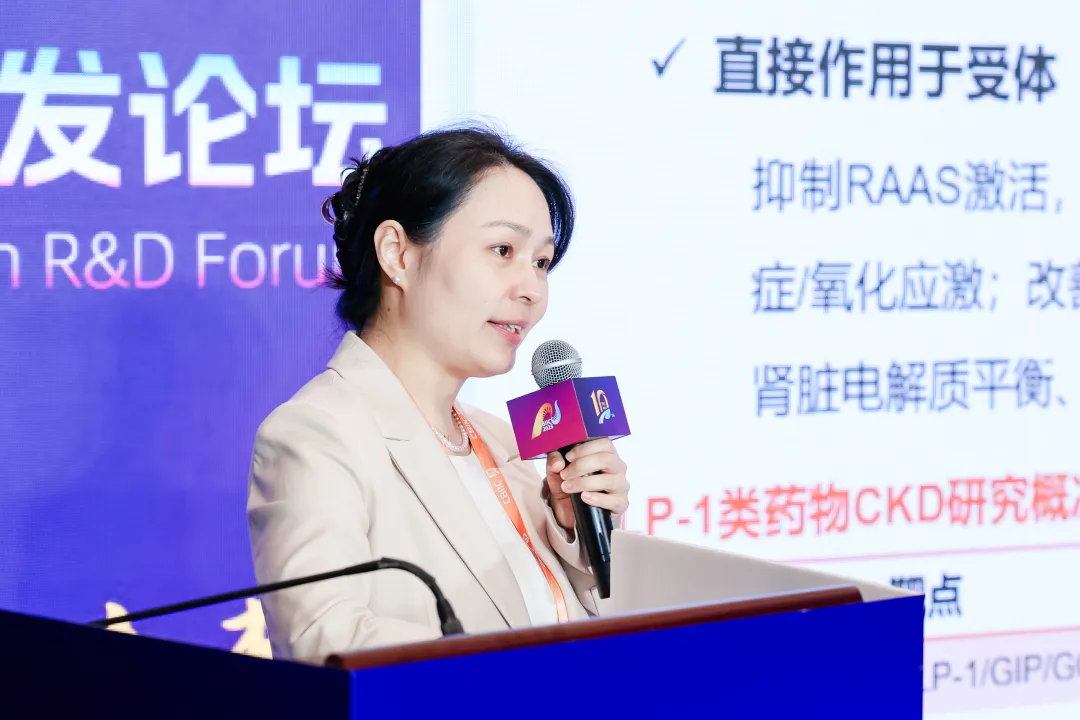
CHEN Hong, Jiangsu Hengrui Pharmaceuticals Co., Ltd. Senior Director
CHENG Jian, Senior Medical Director at Eli Lilly and Company, summarized from the perspective of innovative weight loss drug development. He noted that multiple innovation opportunities remain in weight management therapy centered on core patient needs, and shared key considerations for future innovation: maximizing long term patient benefits through superior efficacy, optimizing long term weight management via innovative approaches, comprehensively evaluating weight loss quality, and advancing personalized treatment strategies. He emphasized that personalized therapy based on real clinical patient needs will be a key future direction. He recommended developing personalized treatment plans in accordance with American Association of Clinical Endocrinology Consensus Statement, based on patients’ clinical staging, health goals, values and preferences, and treatment accessibility to optimize long term health outcomes. Finally, he stated that timely sharing of academic research findings, guidance from regulatory authorities, and practical exploration by industry will jointly drive sustainable innovation and high-quality development of weight loss drug R&D.
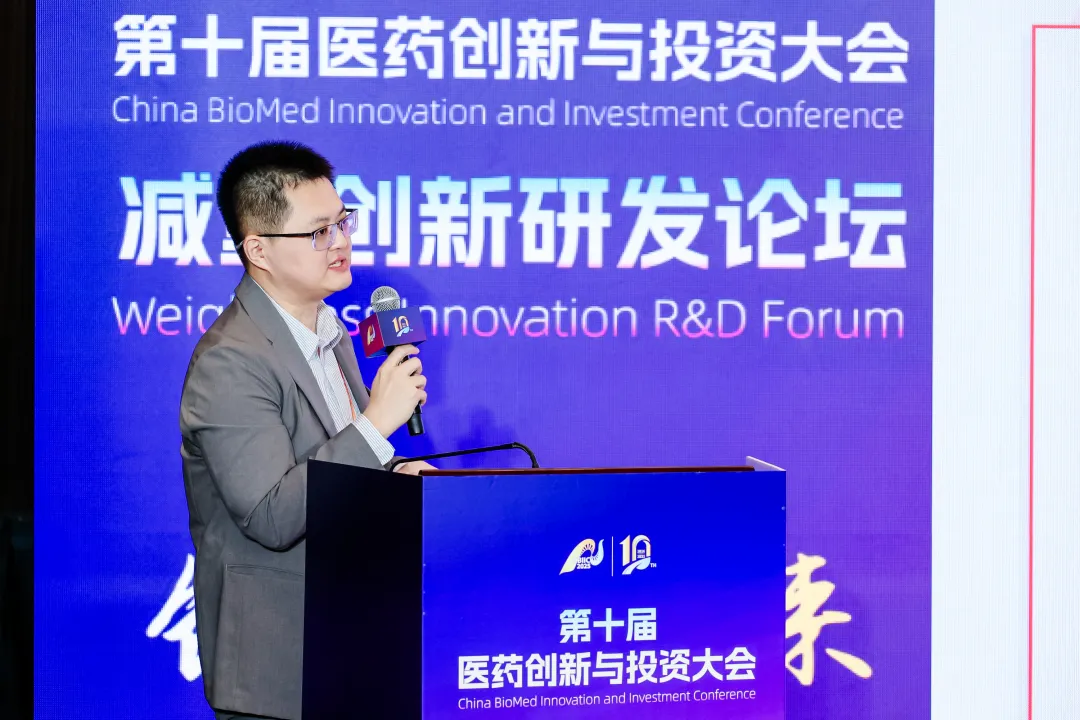
CHENG Jian, Senior Medical Director of Eli Lilly & Company
02
Panel: How to break through with value in a fiercely competitive market?
Moderated by Professor JI Linong, the panel brought together clinical experts, policy experts, investors and industry leaders to discuss the theme “How to Navigate the Anti-Obesity Drug Development Space”.
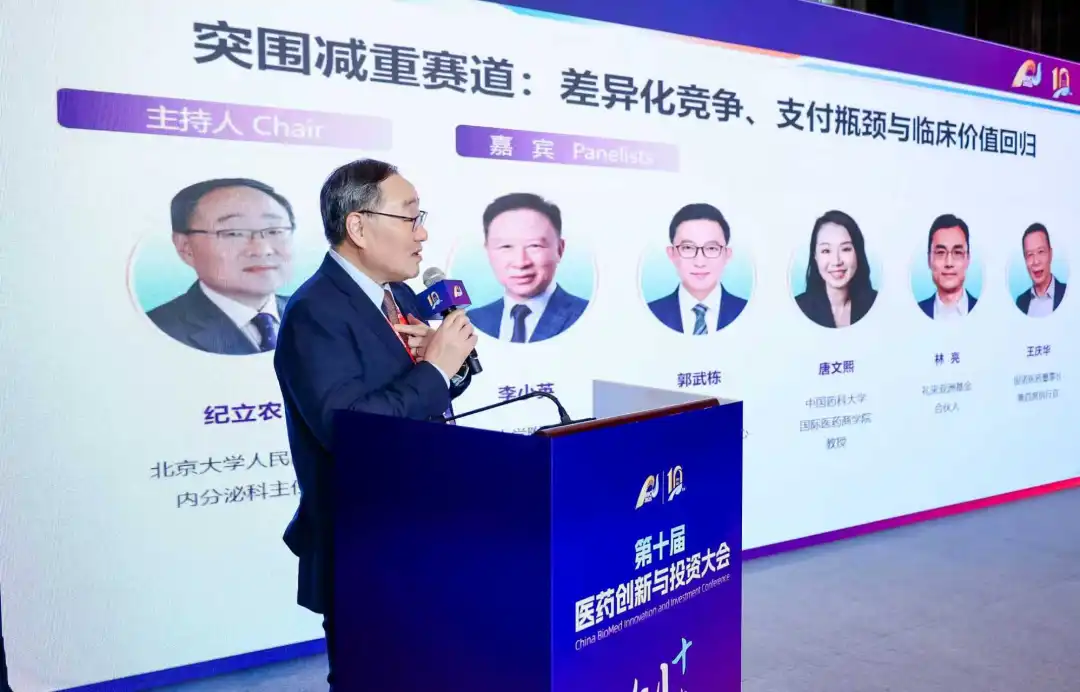
Payment Policy Perspective: Efficacy Is the “Hard Truth”, and Evidence Must
Target Hard Outcomes
Dr. Wudong Guo, Researcher of China National Health Development Research Center, noted from the perspective of health technology assessment that the core basis for medical insurance payment decisions is clinical efficacy, particularly the improvement of hard endpoints by medicines in real-world practice. The health care regulatory authorities advocates the use of real-world evidence to support coverage and reimbursement decisions. There have already been cases where pharmaceutical companies proactively initiated studies to revise clinical guidelines or address payment issues for special populations. He emphasized that the evaluation system should be forward-looking, clinical value should be prioritized during drug development, rather than being addressed passively at the reimbursement application stage.
TANG Wenxi, Professor, School of International Pharmaceutical Business pointed out from a pharmacoeconomic perspective that despite the strong market prospects of GLP-1 drugs, medical insurance currently only covers for the diabetes indication. The reason is that, compared with lifestyle interventions, weight-loss-only drugs are not yet cost-effective. Using model-based data, she illustrated that although BMI improvement can significantly delay mortality and myocardial infarction, the statutory mandate of medical insurance is to fund value related to “disease treatment”. In response to market demand, she suggested that such drugs may have greater potential in commercial health insurance, as commercial insurers can include high-profile medications to boost enrollment rates.
Industry Perspective: Differentiation Lies in Addressing Clinical “Pain Points”, Not Blindly Following “Hot Spots”
WANG Qinghua, INNOGEN Chairman and CEO, shared the company’s differentiated strategy from an industrial perspective: rather than overemphasizing the complexity of multi-targets, the company focuses on “specific targets” and proven therapeutic efficacy with clear biological effects, aiming to carve out a truly clinical value-oriented path amid fierce competition.
LIN Liang, Partner of LAV, noted from an investment standpoint that capital remains actively seeking differentiated breakthroughs within the GLP 1 dominated landscape. Examples include optimizing body composition beyond weight loss, exploring clinical benefits additional to weight reduction, preventing weight rebound after drug discontinuation, developing treatments with fewer and milder side effects, and improving ease of use. These advances involve both refined R&D on existing targets and the discovery and validation of novel targets. He stressed that genuine innovation must stand the test of clinical significance. For instance, in the case of “fat reducing and muscle building” drugs, increased lean body mass is difficult to use as a clinical endpoint. However, if it can be shown to translate into clear clinical benefits, such as preventing falls in the elderly or accelerating weaning from mechanical ventilation, this would produce meaningful clinical outcomes and help payers (such as insurers) justify coverage. Ultimately, navigating the crowded market relies on solid scientific data and a well defined clinical value proposition.
Clinical Expert Perspective: A Return to Value Means Full-Cycle Accountability to Patients
Professor Li Xiaoying, Director of Department of Endocrinology, Zhongshan Hospital Fudan University, established a clear framework for evaluating the value of weight-loss medications based on clinical assessment criteria. He noted that effective therapies should improve metabolic factors such as blood glucose, lipids, and blood pressure in the short term, while delivering long-term benefits for comorbidities and complications including fatty liver disease. Generally, weight loss exceeding 10% is required to achieve clinically meaningful benefits. Regarding the widely discussed issue of muscle loss, Professor Li distinguished between muscle loss associated with weight reduction and pathological sarcopenia, and emphasized the need to monitor sarcopenia risk in elderly patients undergoing weight management. He suggested that current “fat-reducing, muscle-gaining” agents could first be approved for weight loss indications, address key clinical pain points through combination therapy with GLP-1 drugs, and later expand to new indications such as sarcopenia based on further clinical evidence.

From left to right: LI Xiaoying, LIN Liang, TANG Wenxi, GUO Wudong, WANG
Qinghua
03
Conclusion and Prospects
China’s R&D of weight-loss medications is keeping pace with global trends and entering a more mature and rational stage. The “numbers game” of merely competing on percentage weight loss has come to an end, with the core of competition shifting to comprehensive efficacy, ease of use, and long-term benefits for patients’ overall health. Only by truly addressing unmet clinical needs and relying on solid, rigorous data can players stand out in this fierce competition. It is expected that Chinese innovative pharmaceutical enterprises will not only deliver high-quality medications amid this wave, but also contribute to the optimization of global weight-loss diagnosis and treatment standards.
This forum was co-organized by the China Pharmaceutical Innovation and Research Development Association (PhIRDA) Clinical Research on Diabetes and Metabolic Disease Drugs Professional Committee. The committee remains committed to building an efficient communication platform for industry, academia, research and medical sectors, and looks forward to fostering the collision and integration of innovative ideas in the weight-loss field through this event.
 News & Events
PHIRDA 2026-06-17
549
News & Events
PHIRDA 2026-06-17
549
 News & Events
PHIRDA 2026-06-04
640
News & Events
PHIRDA 2026-06-04
640
 WeChat Official Account
Copyright © 2017-2020 PhIRDA All rights reserved. Technical Support:SZHD


 Top News