
 News & Events
 PHIRDA
  2026.04.10
 403
403
On October 27, 2025, the Pharmaceutical Policy Sharing Forum of the 2025 China BioMed Innovation and Investment Conference (CBIIC) was successfully held in Nanjing. This year, the National Healthcare Security Administration (NHSA) introduced the Commercial Health Insurance Innovative Drug Catalog for the first time, creating new development opportunities for innovative drugs. In this background, how to establish a collaborative supervision and development model between commercial insurance and basic medical insurance has become a critical topic for industry exploration and discussion. The forum brought together leading experts, industry representatives, and insurance industry professionals to discuss strategies for the high-quality development of commercial health insurance within a multi-tiered healthcare security system.
The forum was moderated by ZHAO Rongsheng, Director of the Department of Pharmacy at Peking University Third Hospital and Chairman of the PhIRDA Medicinal Policy Specialty Committee.
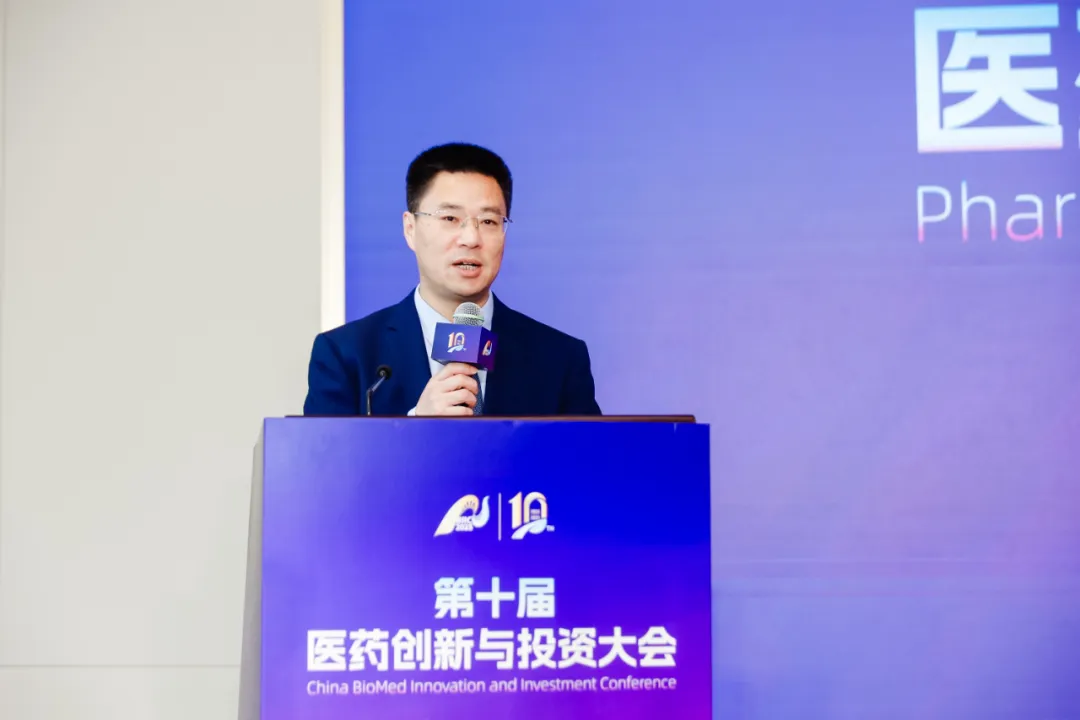
Moderator: ZHAO Rongsheng
Keynote Speech Session
Establishing a full-cycle management mechanism for innovative drugs, with multi-party payment as the key driving engine, has become a core strategic pathway to promote high-quality development of China’s pharmaceutical industry and enhance patient access to medicines. GUO Wudong, Researcher at the China National Health Development Research Center, noted that the development of innovative drugs in China still faces structural challenges: the medical insurance fund remains in a state of “tight balance”; R&D efforts are concentrated in oncology, while high-burden areas such as cardiovascular diseases and chronic obstructive pulmonary disease continue to experience gaps in clinical drug availability; and the payment system faces practical bottlenecks in data sharing and collaboration with commercial insurance. Guo emphasized that internationally explored special-purpose funds offer an operational and controllable payment model, suitable as an important supplement to China’s high-value innovative drug payment mechanisms. In addition, he highlighted the need to build a multi-stakeholder collaborative protection system, clearly delineate the coverage boundaries between basic medical insurance and commercial insurance, strengthen data integration and industry linkage, and systematically optimize the payment and coverage environment for innovative drugs.
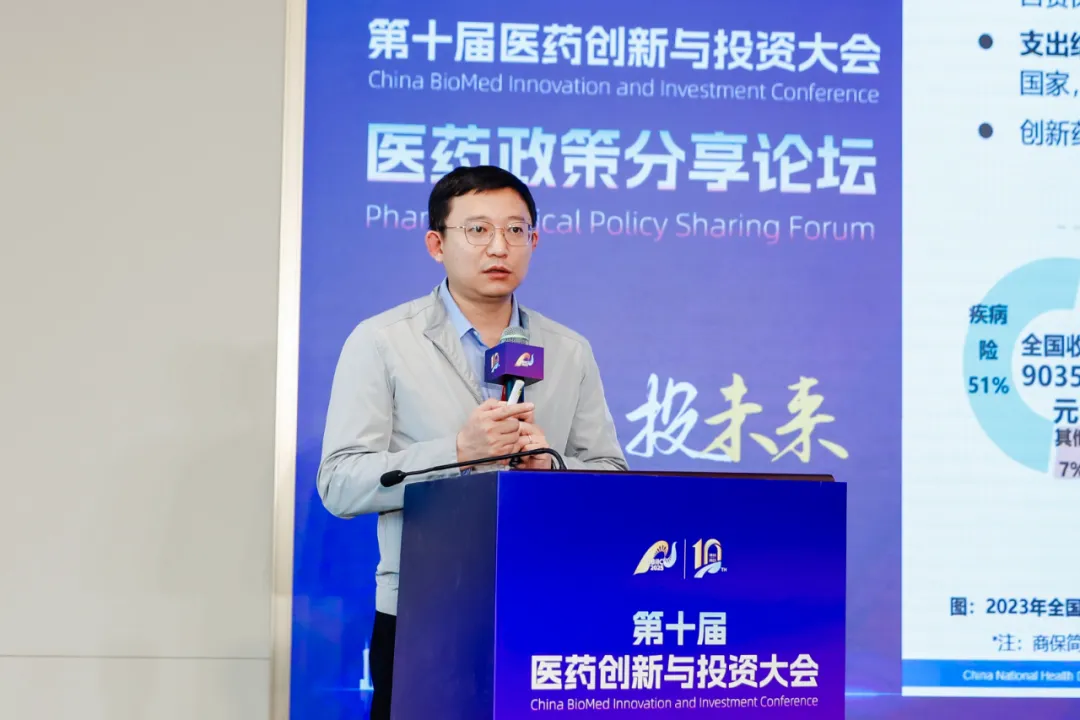
GUO Wudong shared: “Improving Multi-party Payment Mechanisms to Promote High-Quality Development of Innovative Drugs and Medical Devices”
XU Xian, Deputy Dean of the School of Economics at Fudan University, used the development of Huimin Insurance as a practical case to illustrate pathways for establishing a long-term mechanism for commercial insurance to support innovative drug development. Xu noted that the growth of Huimin Insurance has fostered and promoted interaction between commercial insurance and innovative drugs, serving as a key tool for commercial health insurance to support the development of innovative drugs. Over the past decade, the number of Huimin Insurance products nationwide has grown to 313, with the market now showing a new trend of “narrowing increment and iterating stock.” New products adopt a dual strategy of “penetrating untapped markets + redeveloping existing markets,” which enhances both the breadth and depth of coverage. At the same time, the coverage scope continues to expand, with more than 80% of products including coverage for special drugs, extending from oncology to rare diseases, autoimmune disorders, and other therapeutic areas. Huimin Insurance is now shifting from single-tier pricing to differentiated pricing based on age and health status, with nearly half of the products offering multiple versions. Additionally, innovative mechanisms such as “top-up packages” provide flexible means to expand the functional scope of Huimin Insurance.
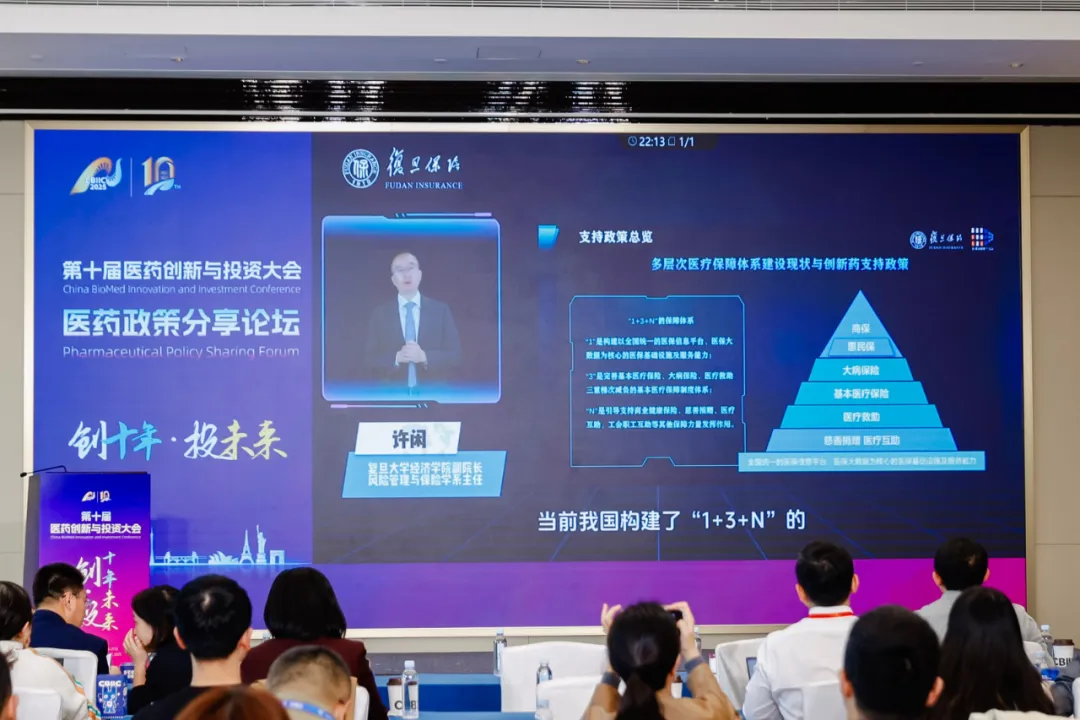
XU Xian shared online: “A Long-Term Mechanism for Commercial Insurance to Support Innovative Drug Development.”
Although the development of Huimin Insurance has promoted the widespread adoption of commercial health insurance, structural issues remain in its coverage of innovative oncology drugs. LI Wei, Associate Professor of the School of International Pharmaceutical Business at China Pharmaceutical University, pointed out that current Huimin Insurance coverage for oncology drugs is relatively fragmented, with approximately 50% of oncology drugs being covered by fewer than 10 Huimin Insurance products. Li proposed three key pathways for commercial health insurance to participate in the payment of innovative drugs: first, an innovative drug catalog led by the medical insurance authorities can leverage the advantages of procedures, resources, and efficiency in basic medical insurance to guide commercial insurance drug selection and establish a new collaborative model of “medical insurance + commercial insurance”; second, to drive innovation in commercial insurance products, breaking the limitations of existing Huimin Insurance products, actively developing corporate group insurance and long-term medical insurance to form a differentiated health insurance product matrix; third, to remove data and payment barriers by accelerating the construction of a collaborative settlement platform between basic medical insurance and commercial insurance, enabling “fast claims” and “direct claims” services, while also expanding multi-tiered healthcare service scenarios.
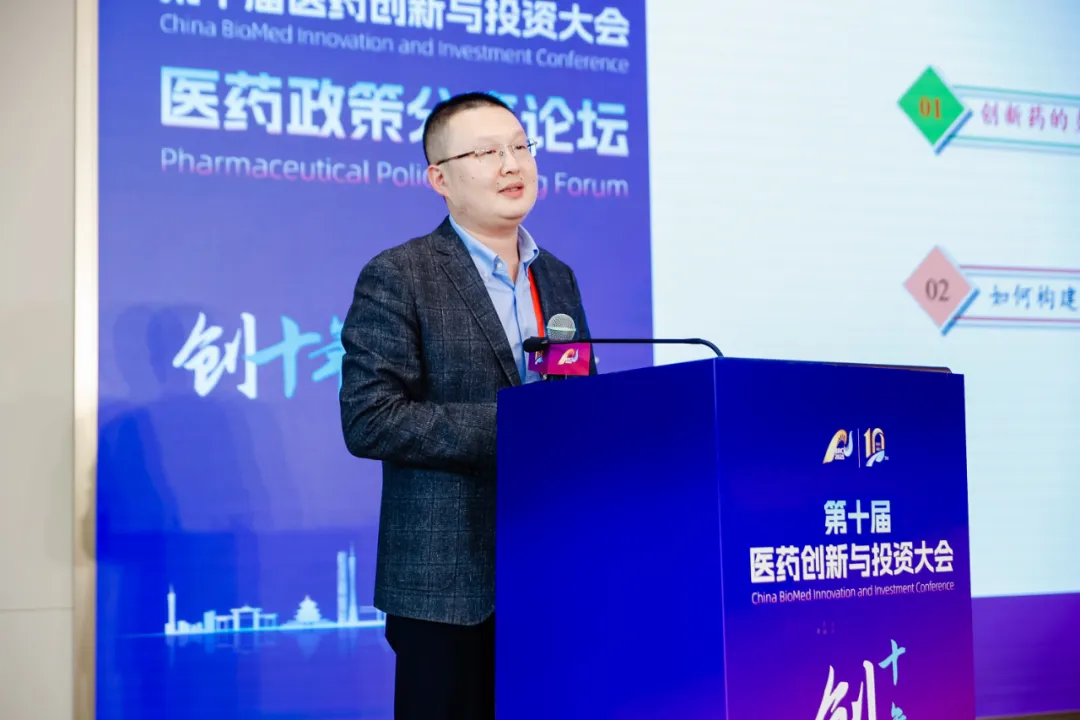
LI Wei shared: “Exploration of Multiple Payment Mechanisms for Innovative Drugs with Participation from Commercial Health Insurance.”
WANG Mingyan, Assistant General Manager of the Product Development Department at China Re Life Insurance, noted in his presentation that the Commercial Health Insurance Innovative Drug Catalog promoted by the National Healthcare Security Administration derives its core value from providing a clear policy pathway and a standardized basis for drug selection for commercial insurers to participate in the payment of innovative drugs. With the support of complementary policies such as the “three exemptions,” the catalog is expected to open a green channel for patients’ access to innovative drugs within the existing healthcare system, thereby significantly enhancing the market appeal of commercial insurance products and the insured population’s tangible sense of benefit. However, the comprehensive implementation of these policies still faces practical challenges, mainly including bottlenecks in hospital access mechanisms and difficulties in identifying patients’ commercial insurance status within clinical information systems. To promote the effective rollout of the commercial insurance innovative drug catalog, he emphasized that the commercial insurance industry should advance in a coordinated manner across product design, channel expansion, and operational efficiency, and he called for the establishment of a cross-departmental coordinated policy support framework, with a view to firmly positioning commercial health insurance as a stable and reliable “N” within China’s multi-tiered medical security system and continuously supporting access to innovative drugs and the healthy development of the industry.
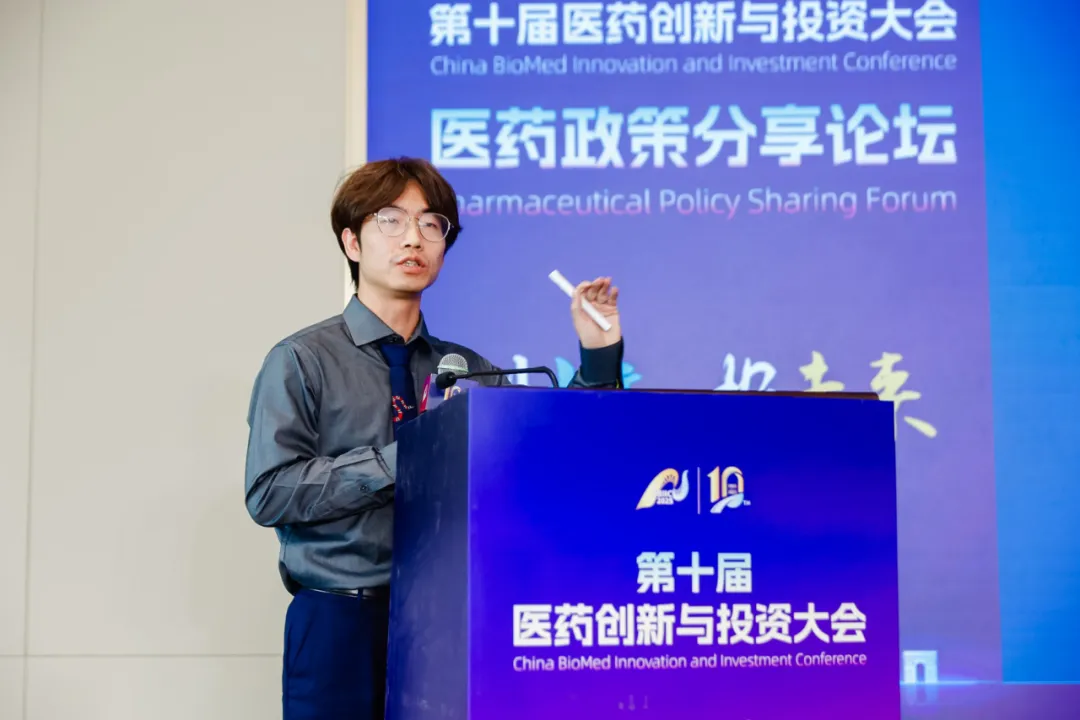
WANG Mingyan shared: “Exploring Trends in Commercial Health Insurance Through the Lens of Innovative Drug Lists in Commercial Health Insurance.”
HUANG Qinqin, General Manager of the Government Business Department at Ping An Health Insurance, shared practical experience from Shanghai’s group insurance program. Individual health insurance has reached a ceiling due to high distribution costs and significant adverse selection risk, whereas group insurance, by engaging employers, enables large-scale enrollment with greater efficiency, which reflects the mature pathway observed in international markets. Drawing on France’s tiered protection model, Shanghai has designed a “new group insurance” scheme offering two options, one covering out-of-pocket expenses within the basic medical insurance system as well as self-paid items, and the other focusing exclusively on self-paid services, thereby effectively supplementing total medical expenditures. The product features three key elements. First, it sets an annual individual payment cap, for example RMB 35,000 in Shanghai, to establish protection against catastrophic medical expenses. Second, it allows premium payment through individual medical insurance accounts, forming a shared financing model involving employers, individual accounts, and individuals. Third, it reserves a dedicated budget to integrate chronic disease management and health promotion services for employees into the coverage framework. She concluded by emphasizing that high-quality products require strong financing mechanisms, and she called for the use of policy tools such as tax incentives and fiscal subsidies to encourage collective employer participation, thereby expanding the overall payment pool and providing sustainable payment support for innovative drugs and medical devices.
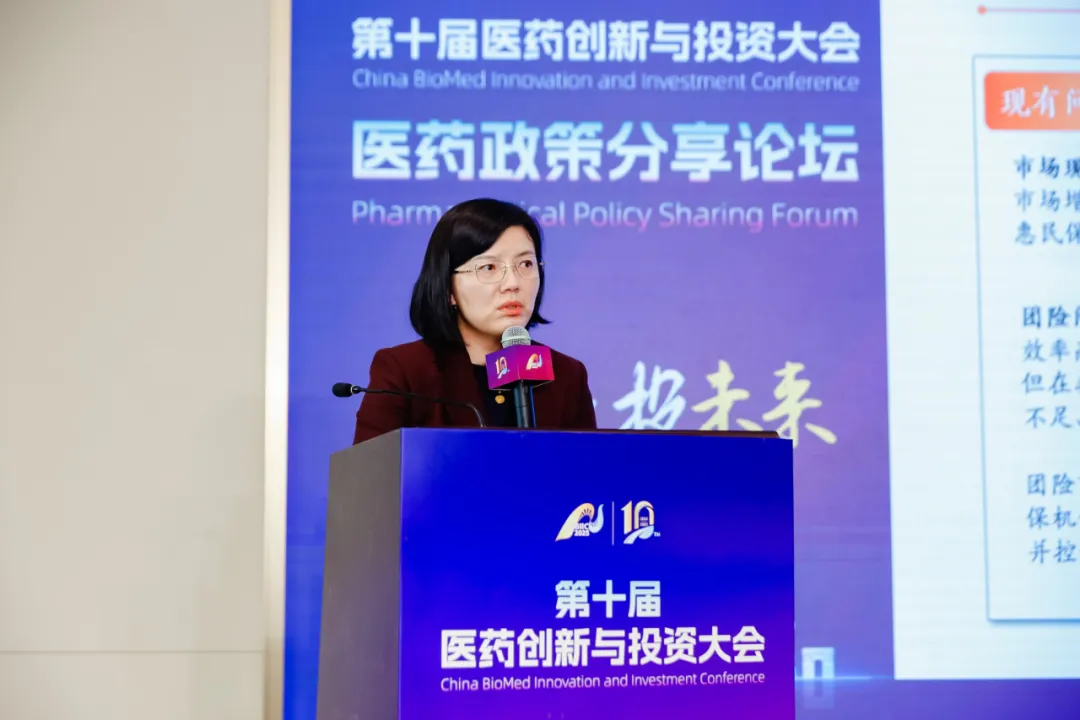
HUANG Qinqin shared: “Deepening the Development of a Multi-tiered Medical Security System Driven by the ‘New Group Insurance’ Model, the Shanghai Experience from Institutional Coordination to Risk Sharing.”
Panel Discussion Session
The concluding discussion of the forum was moderated by LIU Junshuai, Vice Chairman of the Medicinal Policy Committee of PhIRDA, with participation from PEI Jing, Director of the Medical Services Management Department of the Nanjing Medical Insurance Bureau; CHEN Minxing, Director of the Health Policy Research Division at the Shanghai Health Development Research Center; HE Juying, Chief Pharmaceutical Analyst at CSC Financial; HAN Shiming, Managing Director and Global Partner at Boston Consulting Group; and WANG Xiaofu, Head of the Health Research Institute at Pacific Health Insurance.
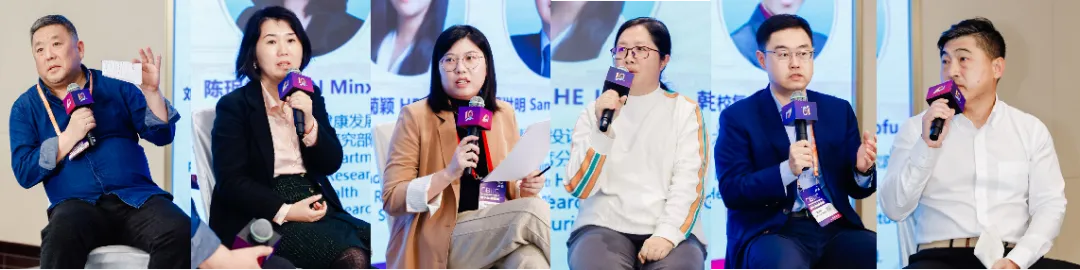
From left to right: LIU Junshuai, PEI Jing, CHEN Minxing, HE Juying, HAN
Shiming, WANG Xiaofu.
Core challenges: financing constraints and unclear positioning. WANG Xiaofu stated directly that the most pressing issue facing commercial health insurance is financing, while PEI Jing and HAN Shiming likewise pointed out that insufficient scale and difficulties in expanding coverage are the main contradictions at present. HE Juying further analyzed that the relationship between commercial insurance and basic medical insurance has yet to be clearly defined, and the blurred boundary has constrained the proactive role of commercial insurers. CHEN Minxing emphasized that commercial health insurance must shift from passive reimbursement to active health management in order to truly create value.
Structural constraints: policy implementation and system barriers. The experts noted that the current challenges are highly structural in nature. WANG Xiaofu pointed out that although top-level design has provided overall direction, the lack of detailed implementation rules for key policies such as the “three exemptions” has created a significant gap in execution. HE Juying and CHEN Minxing both observed that insufficient interdepartmental coordination and barriers to medical data sharing have become critical bottlenecks restricting product design as well as underwriting and claims processing in commercial health insurance.
Paradigm shift: from disease treatment to health management, building a new ecosystem through multi-party collaboration. In response to these challenges, the experts proposed a vision for paradigm reform. First, innovating financing mechanisms. WANG Xiaofu suggested making fuller use of individual health accounts and tax incentive policies, while HAN Shiming called for drawing on international experience and using government endorsement to reduce marketing costs so that a greater share of premiums can be allocated to claims payments. Second, clarifying the boundary of basic medical insurance. HE Juying argued that basic medical insurance should clearly define its coverage scope in order to leave a well-defined space for the development of commercial insurance. Third, promoting a shift toward value orientation. CHEN Minxing advocated deeper collaboration between commercial insurers and medical institutions, moving from “betting on illness” to “promoting health” and building a new model oriented toward health outcomes. Fourth, breaking through barriers through government enterprise collaboration. PEI Jing noted that at the early stage of reform, the government can help cultivate the market through cross-departmental coordination.
In his concluding remarks, Moderator LIU Junshuai emphasized that true paradigm reform must be grounded in safeguarding people’s health rights and interests. At the national level, broad consensus should be forged, supported by systematic fiscal, institutional, and structural investment, to promote commercial health insurance as a key pillar of the medical security system and ultimately achieve a win win outcome for both industry development and public health.
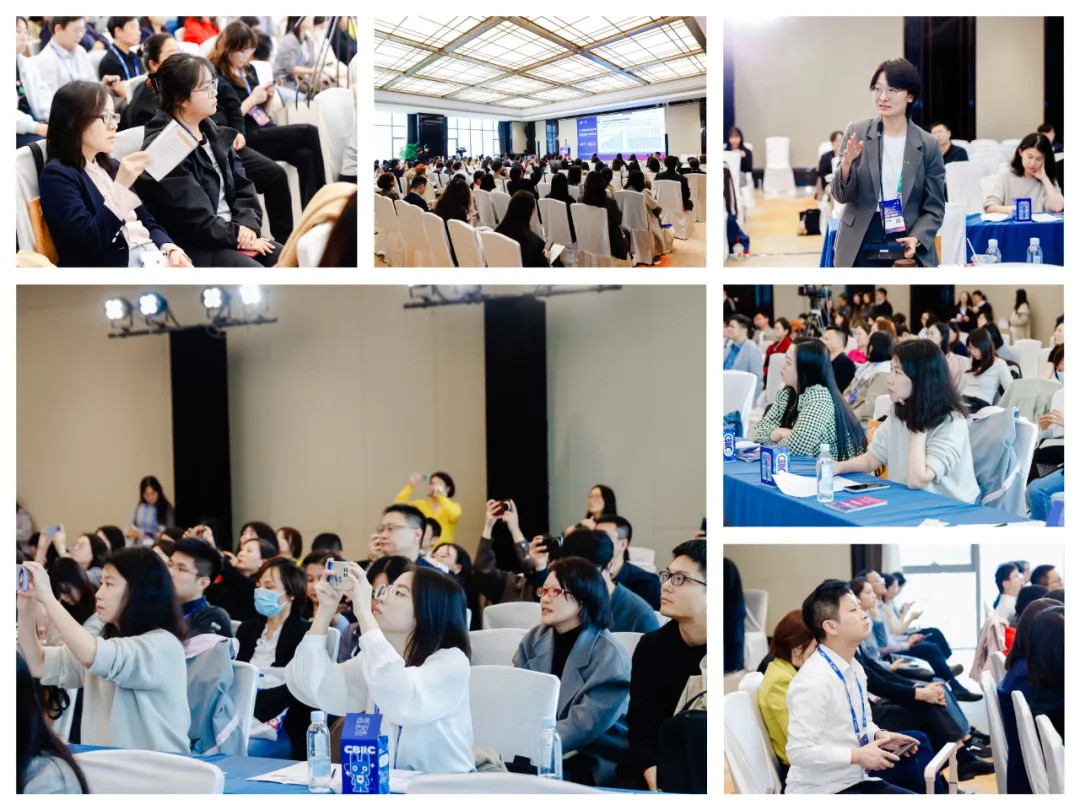
Conference Highlights
With the introduction of the Commercial Health Insurance Innovative Drug Catalog, commercial health insurance is set to open up an entirely new incremental market. In this process, scientific top level institutional design, continuous innovation in insurance products, stronger public health management and insurance awareness, as well as advances in pharmaceutical technology are all indispensable. The dynamic atmosphere of this forum fully demonstrated the immense potential of China’s healthcare market and a future full of promise.
 News & Events
PHIRDA 2026-06-17
549
News & Events
PHIRDA 2026-06-17
549
 News & Events
PHIRDA 2026-06-04
640
News & Events
PHIRDA 2026-06-04
640
 WeChat Official Account
Copyright © 2017-2020 PhIRDA All rights reserved. Technical Support:SZHD


 Top News