
 News & Events
 PHIRDA
  2026.04.10
 276
276
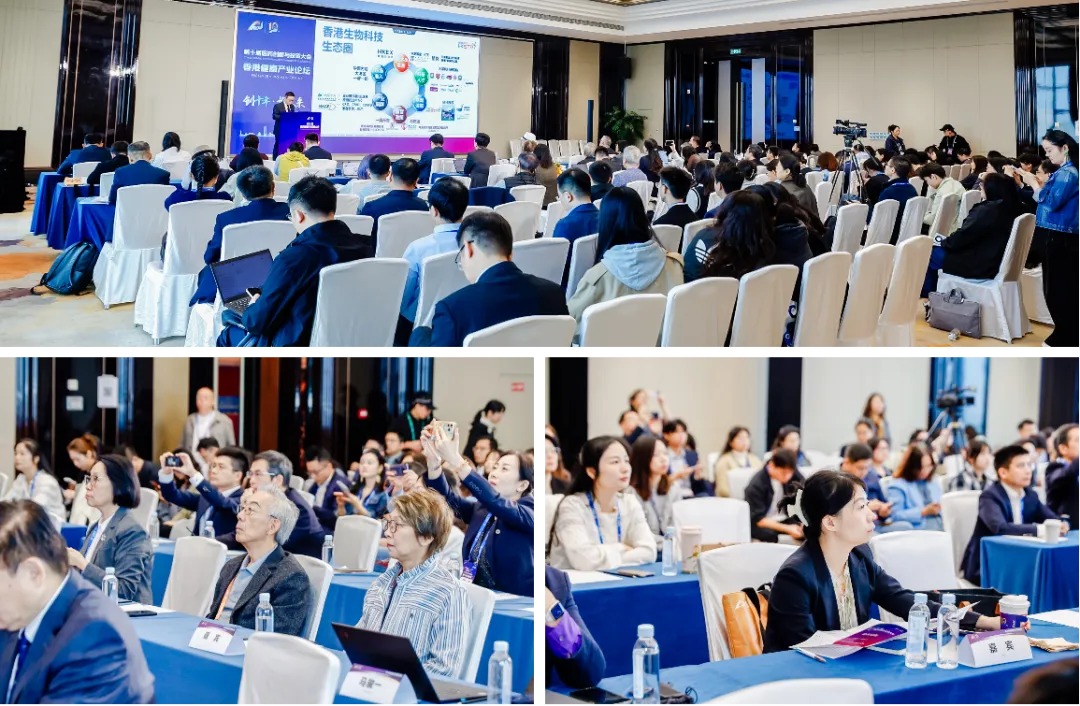
On October 27, 2025, the HK Health Industry Forum of the 10th China Pharmaceutical Innovation and Investment Conference (CBIIC) was successfully held in Nanjing. The forum brought together leading experts, scholars, and industry leaders from China’s pharmaceutical innovation sector, alongside distinguished representatives from Hong Kong’s health industry. Participants engaged in in-depth discussions on the development pathway of Hong Kong’s health industry under the evolving global landscape, contributing insights to further advance the high-quality development of Chinese pharmaceutical innovation.
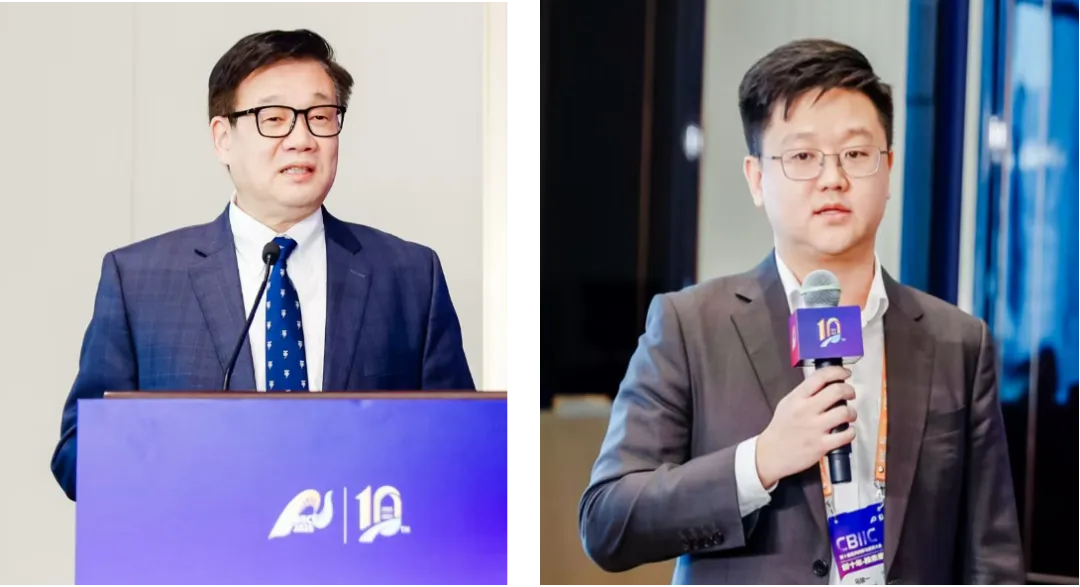
From left to right: CHEN Li, MA Junyi
The forum was jointly moderated by CHEN Li, CEO of HUA Medicine (Shanghai) Ltd., and MA Junyi, Director of HONGKONG HILINK LIMITED.
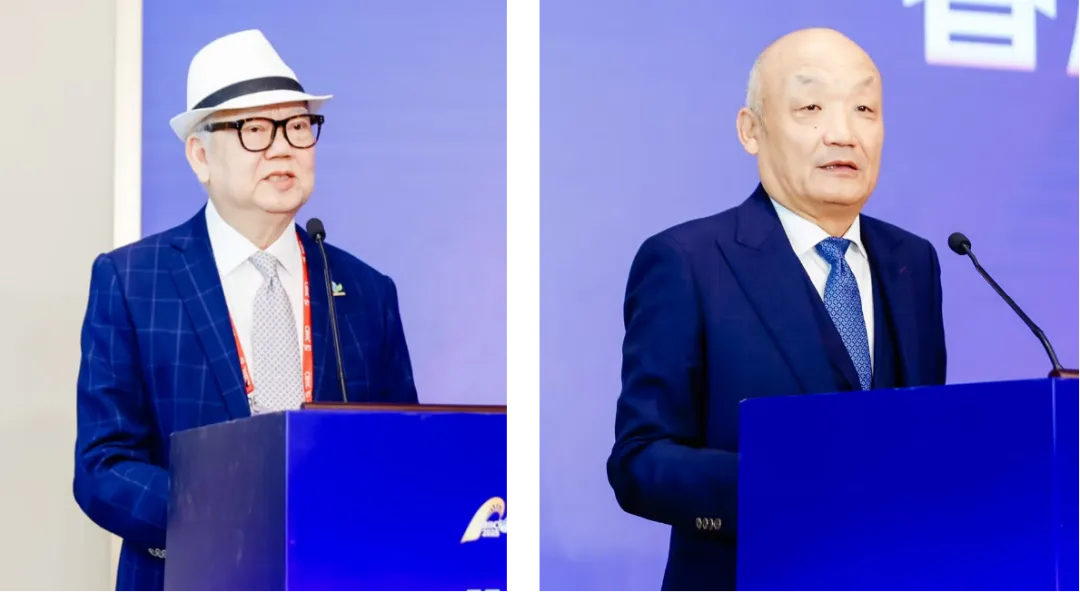
From left to right: LO Yuk Lam, SONG Ruilin
Opening remarks were delivered by LO Yuk Lam, President of HK Bio-Med Innotech Association, and SONG Ruilin, Eminent President and Chief Expert of PhIRDA. President LO emphasized that Hong Kong should fully leverage its strategic positioning to elevate China’s pharmaceutical innovation standards through alignment with international regulatory benchmarks. He noted that Hong Kong’s future development should align with the 15th Five-Year Plan and further strengthen synergies within the Guangdong–Hong Kong–Macao Greater Bay Area. President SONG underscored the importance of fully utilizing the institutional strengths of “One Country, Two Systems” in the current international environment. He stated that the future establishment of the Hong Kong Centre for the Medical Products Regulation (CMPR), will not only facilitate the global expansion of China’s innovative pharmaceutical achievements, but also enhance domestic regulatory capabilities and contribute to building a drug regulatory system aligned with global standards.
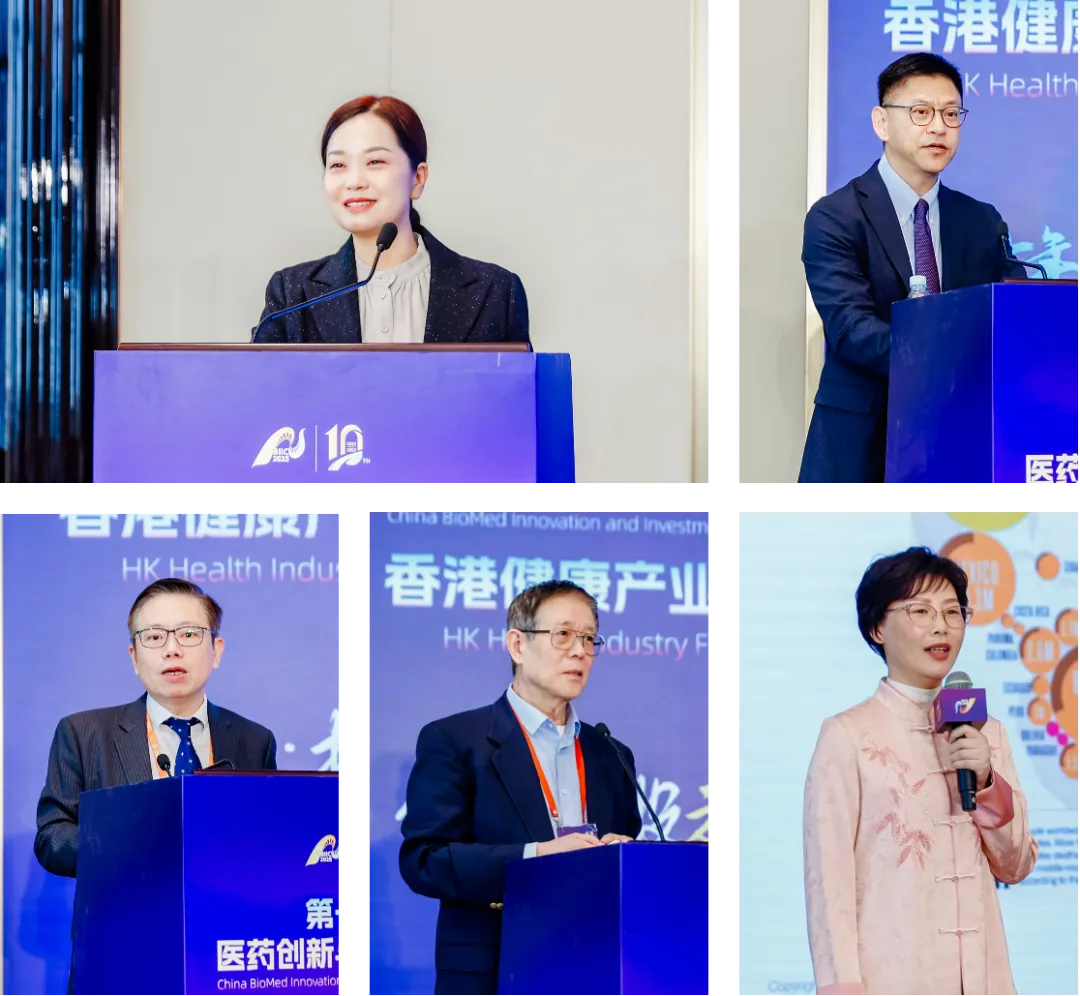
From top to bottom, left to right: FENG Lan, LIN Zhiheng, Terry WONG, Howard
H. Yuwen, Cynthia CAO
FENG Lan, Vice President of PhIRDA, delivered the opening keynote titled Leveraging Policy Advantages to Build a Pharmaceutical Innovation Center Centered Around Hong Kong. She noted that amid ongoing geopolitical uncertainties, it is increasingly critical to establish a dual-circulation development framework for the pharmaceutical innovation industry with Hong Kong as a central hub. She reviewed PhIRDA’s sustained efforts in recent years to provide policy recommendations supporting financial reforms and regulatory reforms in Hong Kong. She further proposed that, starting from the establishment of CMPR, Hong Kong should activate Greater Bay Area resources and construct a full industry-chain development pathway to connect domestic and international pharmaceutical innovation cycles.
LIN Zhiheng, Chief Pharmacist of the Preparatory Office of the Center for Medical Products Regulation of the Hong Kong Department of Health, introduced the latest progress in the establishment of CMPR. He outlined three strategic priorities: advancing high-quality regulation, promoting innovation in drugs and medical devices, and deepening regional cooperation. He stated that Hong Kong will position CMPR as a key national platform supporting both inbound and outbound development strategies. He emphasized that CMPR will serve not only as a strong guardian of public health, but also as a powerful engine driving medical innovation.
Terry WONG, Chief Executive Officer of Hong Kong Science and Technology Parks Corporation, presented an overview of Hong Kong’s biotechnology ecosystem. He highlighted the city’s advantages across capital markets, scientific talent, infrastructure, regulatory policy, industrial clusters, and market access. He also introduced HKSTP’s progress in funding support, talent attraction, clinical translation, and AI empowerment. He emphasized that, leveraging its unique strengths, Hong Kong is rapidly emerging as a pivotal global biotechnology hub.
Howard H. Yuwen, SVP and Chief Business Officer at SDM Bioservices, shared his perspectives on establishing a regulatory review system aligned with international standards, referencing agencies such as the FDA and EMA. He noted that during its establishment, CMPR should capitalize on its late-mover advantage by drawing on international best practices in policy transparency and data accessibility. He stressed that Hong Kong is not only China’s Hong Kong, but also a global Hong Kong, and that CMPR should fully leverage Hong Kong’s institutional and resource advantages to build a regulatory review system with distinctive Hong Kong characteristics.
Cynthia CAO, VP of Corporate Operation and Greater Bay Area Development at HUA Medicine (Shanghai) Ltd., delivered a keynote titled The Journey of Chinese Innovative Drugs to the World, introducing the global development strategy of Dorzagliatin. Following regulatory reforms in Hong Kong, the “1+” review mechanism has expanded from covering new drugs for serious or rare diseases to encompassing all new drugs. Leveraging its clinical strengths, Dorzagliatin has already had its New Drug Application accepted by the Hong Kong Department of Health. She emphasized that Hong Kong serves as a critical gateway and springboard for Chinese innovative drugs entering Southeast Asia and Belt and Road markets.
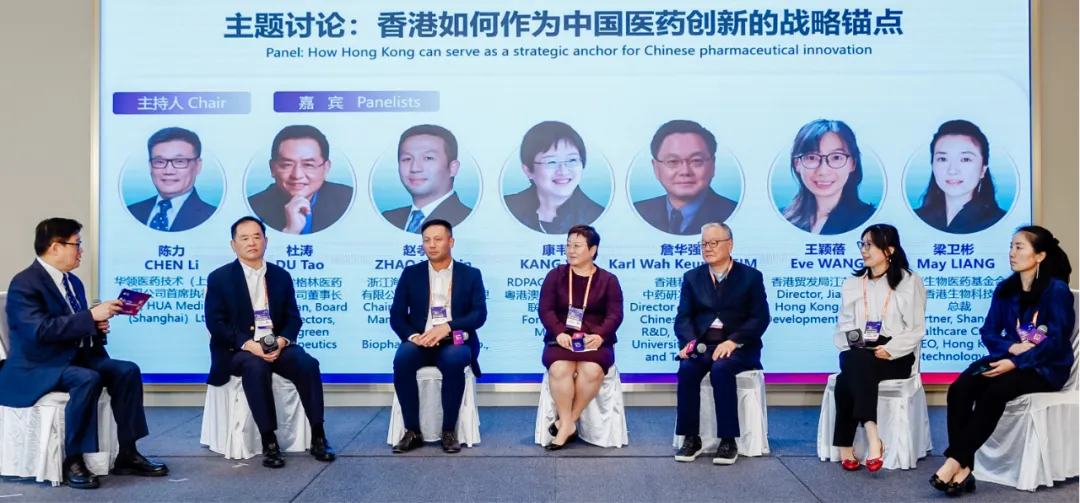
The panel discussion session, themed How Hong Kong Can Serve as a Strategic
Anchor for Chinese Pharmaceutical Innovation, was moderated by Dr. CHEN Li.
Panelists included DU Tao, Chairman of Evergreen Therapeutics; ZHAO Xiaobin,
Chairman and General Manager of Zhejiang Haichang Biopharmaceutical Co., Ltd.;
KANG Wei, Former RDPAC Managing and Initiator of the Guangdong–Hong Kong–Macao
Greater Bay Area Pharmaceutical Innovation Alliance; Karl Wah Keung TSIM,
Director of the Center for Chinese Medicine R&D at the Hong Kong University
of Science and Technology; Eve WANG, Director, Jiangsu, Hong Kong Trade
Development Council; and May LIANG, Partner at Shanghai Healthcare Capital and
CEO of Hong Kong Biotechnology Fund. DU Tao highlighted Hong Kong’s regulatory
advantages as a compact jurisdiction, particularly in areas such as clinical
trial populations and international data accessibility, noting that CMPR has the
potential to become an international regulatory hub. ZHAO Xiaobin discussed the
practical significance of CMPR in facilitating global expansion of Chinese
innovative drugs and its strategic importance in accelerating frontier
technology translation under international standards. KANG Wei emphasized the
need to strengthen Greater Bay Area collaboration and utilize policy tools such
as the “Hong Kong–Macao Medicines and Medical Devices Connect” program to
elevate clinical standards while accelerating internationalization. Karl Wah
Keung TSIM outlined Hong Kong’s achievements in cultivating research-oriented
medical talent and called for enhanced clinical database development to support
source innovation. Eve WANG described Hong Kong’s strengths in research,
capital, and market connectivity, recommending deeper integration of domestic
and international resources to support global expansion of Chinese innovation.
May LIANG emphasized that sustainable industry development requires a complete
commercialization cycle. She proposed leveraging Hong Kong’s financial
strengths, policy advantages, and international talent pool to establish a
premier hub and platform for the global expansion of Chinese pharmaceutical
innovation.
The forum concluded in an atmosphere of dynamic and forward-looking dialogue. Guided by the strategic direction of the 15th Five-Year Plan and ongoing regulatory reforms in Hong Kong, Chinese pharmaceutical innovation is poised to evolve from exporting pipelines to exporting fully developed products, marking a new phase in its global journey.
 News & Events
PHIRDA 2026-06-17
290
News & Events
PHIRDA 2026-06-17
290
 News & Events
PHIRDA 2026-06-04
409
News & Events
PHIRDA 2026-06-04
409
 WeChat Official Account
Copyright © 2017-2020 PhIRDA All rights reserved. Technical Support:SZHD


 Top News