
 News & Events
 PHIRDA
  2026.04.10
 718
718
Marking a decade of innovation and setting sail toward the future of investment, the 10th China Pharmaceutical Innovation and Investment Conference (CBIIC) was grandly held from October 26 to 27 at Nanjing Fengda International Hotel. Bringing together leading enterprises and top-tier expertise across the industry, the CBIIC focused on the latest global trends in pharmaceutical R&D, fostering collaboration and opening a new chapter of shared success.
A decade of progress has underscored the enduring power of innovation. Since the beginning of this year, supportive policies have continued to energize the industry, BD transactions have reached new highs, and Chinese clinical data as well as original targets have gained increasing recognition at international conferences. Under the theme “A Decade of Innovation, Invest in the Future,” the CBIIC revisited ten years of China’s pharmaceutical innovation journey at the pivotal juncture marking the conclusion of the 14th Five-Year Plan and the launch of the 15th Five-Year Plan, while charting a new blueprint for industry development. More than 100 domestic and international investment institutions, innovative pharmaceutical companies, and research organizations gathered at the event, with over 2,000 attendees including government officials, experts, entrepreneurs, investors, and media representatives.
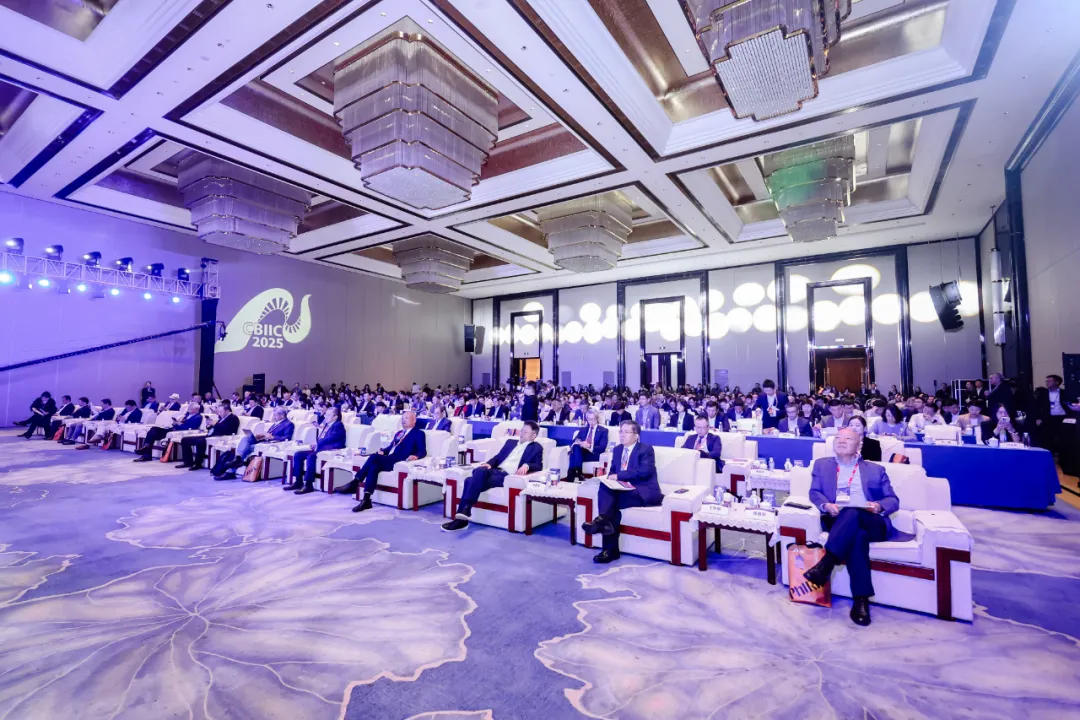
The CBIIC was officially opened under the moderation of FENG Lan, Vice
President of PhIRDA.
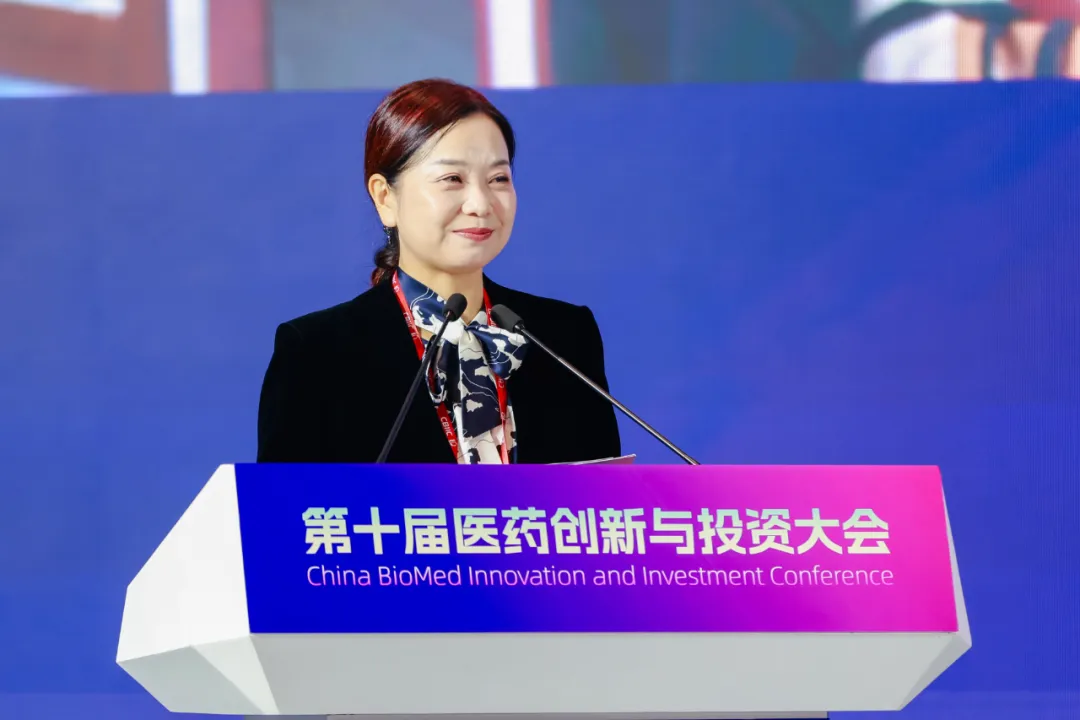
LU Weidong, Member of the Standing Committee of the Nanjing Municipal Party
Committee, Secretary of the Party Working Committee of Jiangbei New Area, and
Secretary of the Pukou District Committee, noted that in recent years, Jiangbei
New Area has been deeply committed to developing the pharmaceutical industry,
striving to build Nanjing BioMed Valley into a key hub and establishing an
integrated innovation ecosystem spanning academia, research, industry, and
application. He emphasized that the CBIIC serves not only as a high-level
platform for gathering cutting-edge insights and tracking R&D trends, but
also as a critical bridge linking policy innovation with capital integration. He
expressed his hope that participants would exchange valuable perspectives and
spark new ideas, achieving innovation through dialogue, attracting talent
through engagement, and fostering collaboration through convergence. He also
warmly invited attendees to explore opportunities for innovation and investment
in Jiangbei New Area.
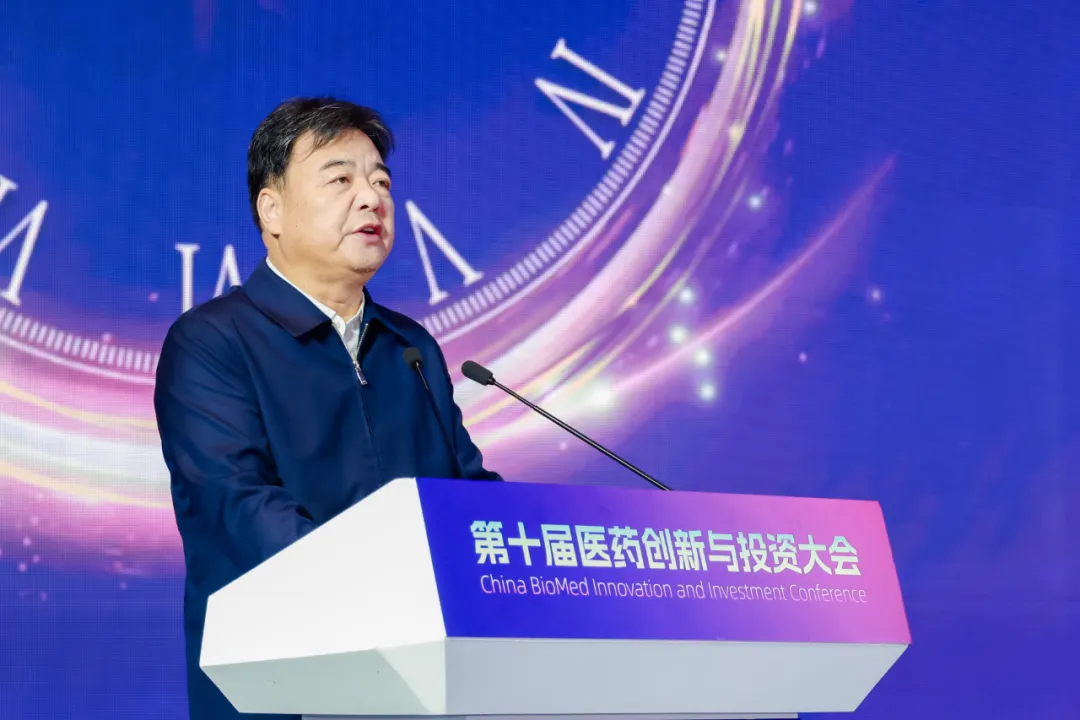
REN Jinsheng, Vice President of PhIRDA and Chairman of the Board and CEO of
Simcere Pharmaceutical, delivered welcome remarks on behalf of the organizers.
Reflecting on the past decade, he noted that the CBIIC has effectively supported
policy empowerment and accelerated the internationalization of China’s
pharmaceutical innovation, witnessing the transition from a “follower” to a
“parallel runner.” He identified three key drivers underpinning the upgrading
and sustainable development of China’s pharmaceutical industry: first, the
structural shift from generic drugs toward innovative drugs alongside growing
demand driven by an aging population; second, China’s competitive advantages in
talent and engineering capabilities; and third, sustained investment from
enterprises and patient capital. Combined with improvements in market
conditions, innovation ecosystems, and policy environments, the industry is
entering an unprecedented stage of high-quality development. At this critical
juncture between the 14th and 15th Five-Year Plans, he called on participants to
leverage the CBIIC as an opportunity to connect through projects, communicate
through data, and foster complementary strengths through win-win
cooperation.
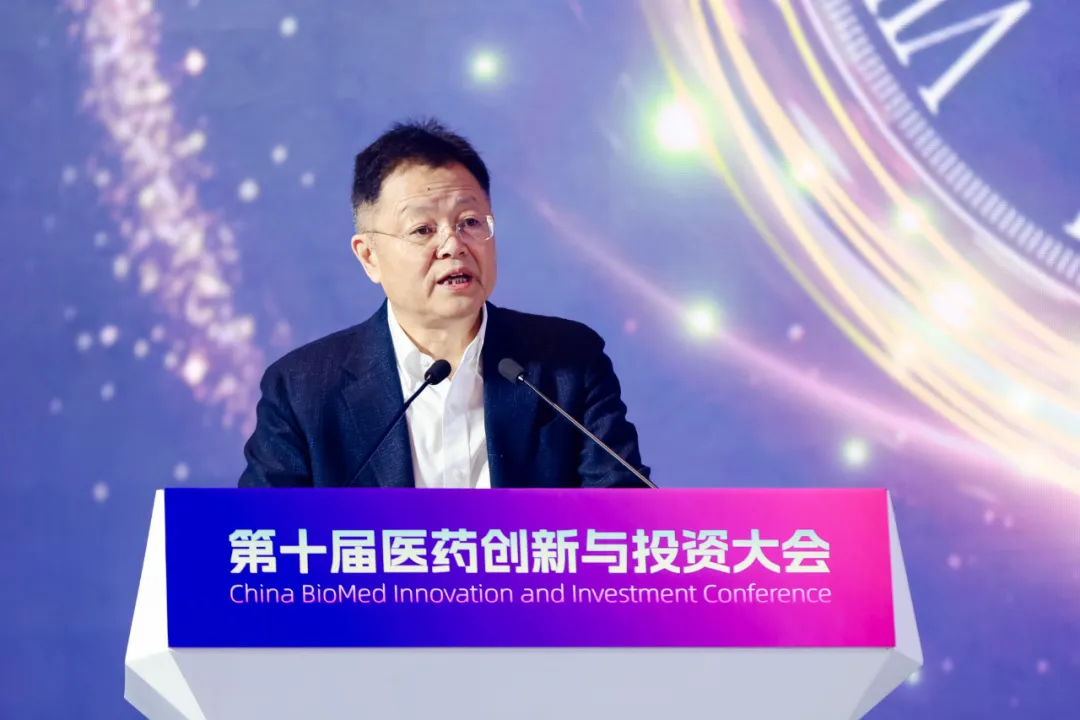
The keynote session was moderated by Sean SHAN, Senior Vice President and
General Manager for Greater China, Central and South Asia of BeOne
Medicines.
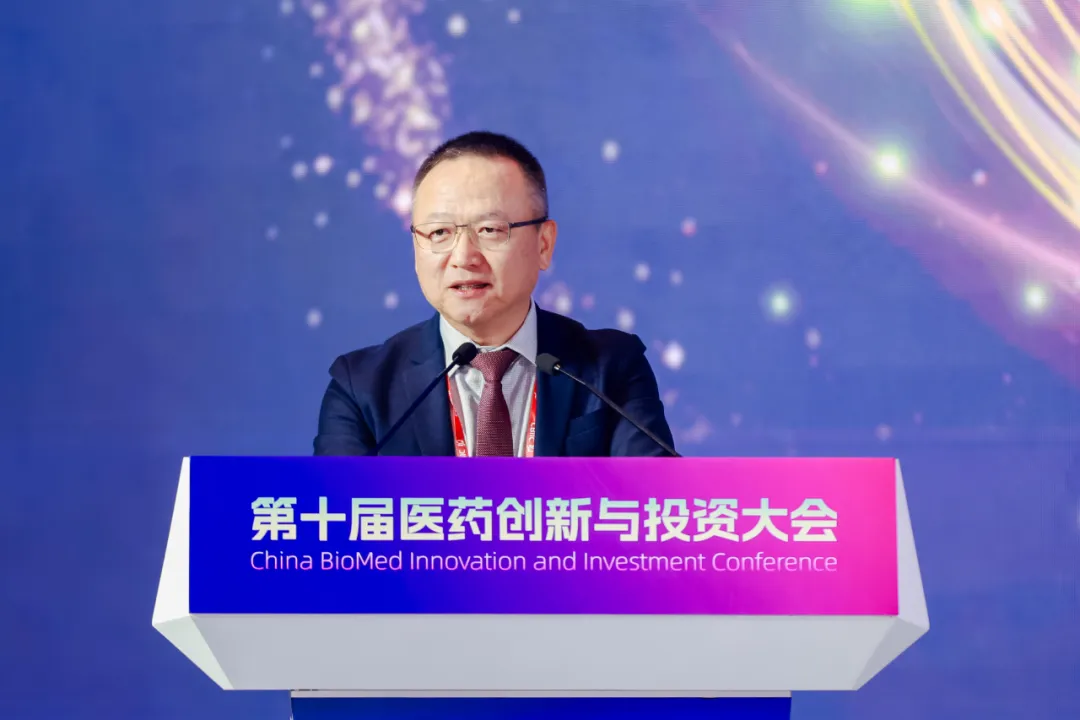
CAO Xuetao, Vice-Chairman of the Committee on Education, Science, Health and
Sports of the CPPCC National Committee, Academician of the Chinese Academy of
Engineering, and Chief Engineer of the National Science and Technology Major
Project for Innovative Drug R&D, delivered a keynote speech on “Strategic
Considerations and Implementation Pathways for the National Science and
Technology Major Project for Innovative Drug R&D.” He reviewed the progress
and achievements of the program, as well as emerging challenges facing
innovative drug development. He noted that the new phase of the program has been
successfully launched this year, achieving continuity and leapfrog development
from the previous phase. The focus of innovative drug R&D is shifting from
individual product development toward building comprehensive innovation
capabilities, and from targeting a fixed set of major diseases toward a more
dynamic and needs-based approach aligned with China’s evolving disease spectrum
and market gaps. CAO elaborated on the strategic priorities and organizational
framework of the program, encouraging enterprises to actively engage in key
research areas. Looking ahead to 2035, he outlined the vision of establishing an
efficient, self-reliant national drug innovation system, achieving breakthroughs
in key technologies across chemical drugs, traditional Chinese medicine, and
biologics, and positioning China as a global hub for drug innovation.
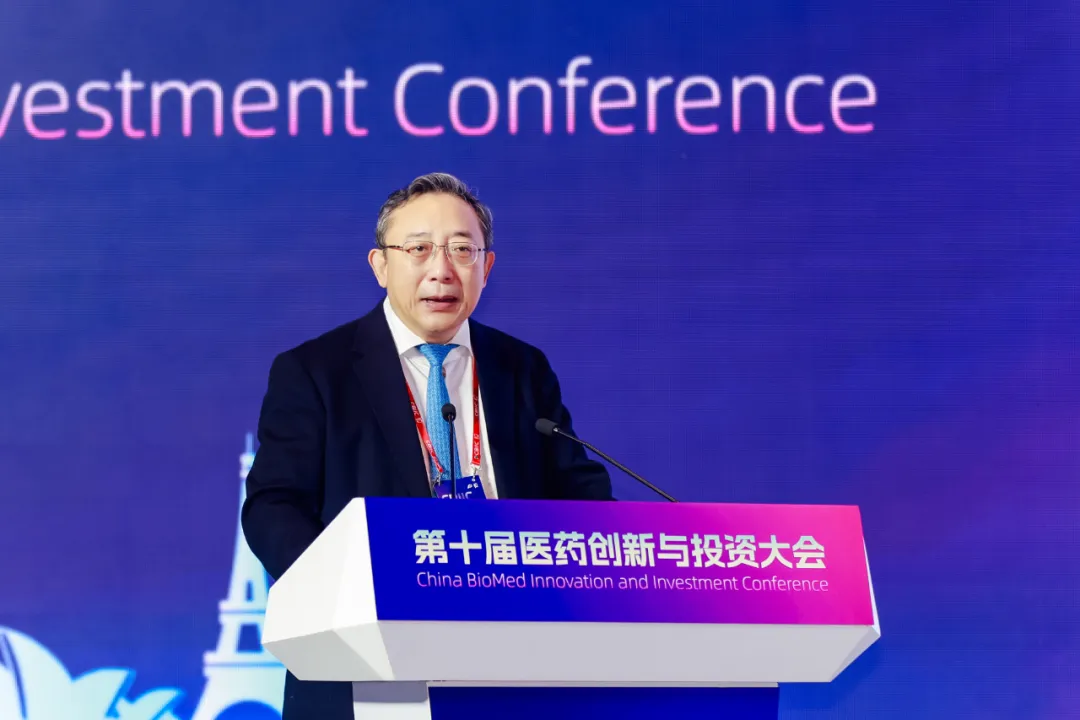
Infectious diseases remain a major threat to global health and social
development. RAO Zihe, Academician of the Chinese Academy of Sciences and
Professor at Tsinghua University, delivered a keynote speech titled “Pathogens
and Public Health: Small Molecule Drugs, Vaccines, and Antibodies—From
Traditional Approaches to Breakthrough Innovations.” Drawing on decades of
research, he shared key achievements in infectious disease studies and drug
development. He highlighted major breakthroughs during the SARS and COVID-19
outbreaks, including the elucidation of the SARS coronavirus main protease
structure and the identification of broad-spectrum inhibitors. Notably, his team
rapidly resolved the structure of the SARS-CoV-2 main protease at the early
stage of the pandemic and shared data and expression plasmids with 305
institutions worldwide. He also presented advances in influenza, HIV, hand, foot
and mouth disease, tuberculosis, viral hepatitis, herpes, and African swine
fever vaccines. He emphasized that the increasing complexity of pathogen-related
risks underscores the critical importance of innovative drug development, and
that strong basic research provides a solid foundation for translating
scientific discoveries into clinical applications.
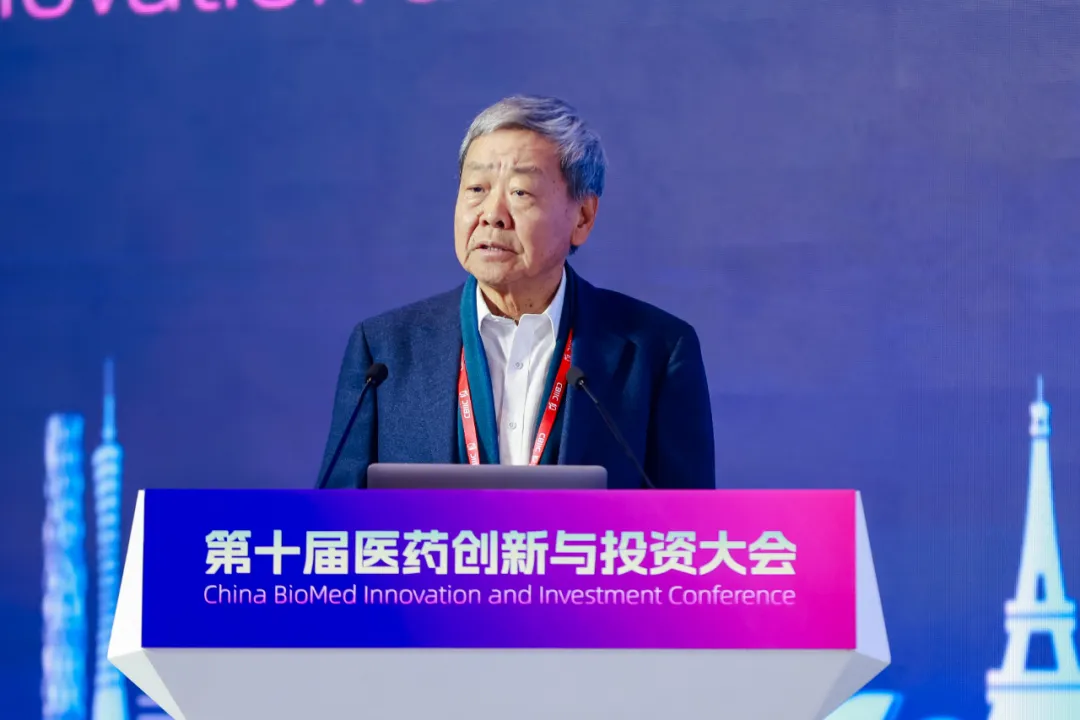
SONG Ruilin, Eminent President and Chief Expert of PhIRDA, delivered a
keynote speech titled “New Opportunities in Reshaping the Structure of China’s
Pharmaceutical Innovation Industry under Global Changes.” Reviewing the rise of
China’s pharmaceutical innovation, he noted that the primary challenge has
shifted from internal competition driven by homogeneity to external competition
between China’s rapid innovation growth and the United States’ leadership in
biotechnology. In the current geopolitical context, strengthening the domestic
market and enhancing internal circulation have become urgent priorities. He
highlighted that reforming China’s pharmaceutical payment system with a focus on
industry development has become a key theme. He proposed establishing mechanisms
for drug reimbursement adjustments based on real-world evidence, building
sustainable commercial health insurance systems from a legal perspective,
developing multi-tiered healthcare coverage through market-based insurance,
leveraging Hong Kong as a gateway to Belt and Road markets, and promoting a dual
circulation development model centered on domestic demand. He emphasized that
the pharmaceutical innovation industry is not only vital for public health but
also a strategic pillar of the national economy.
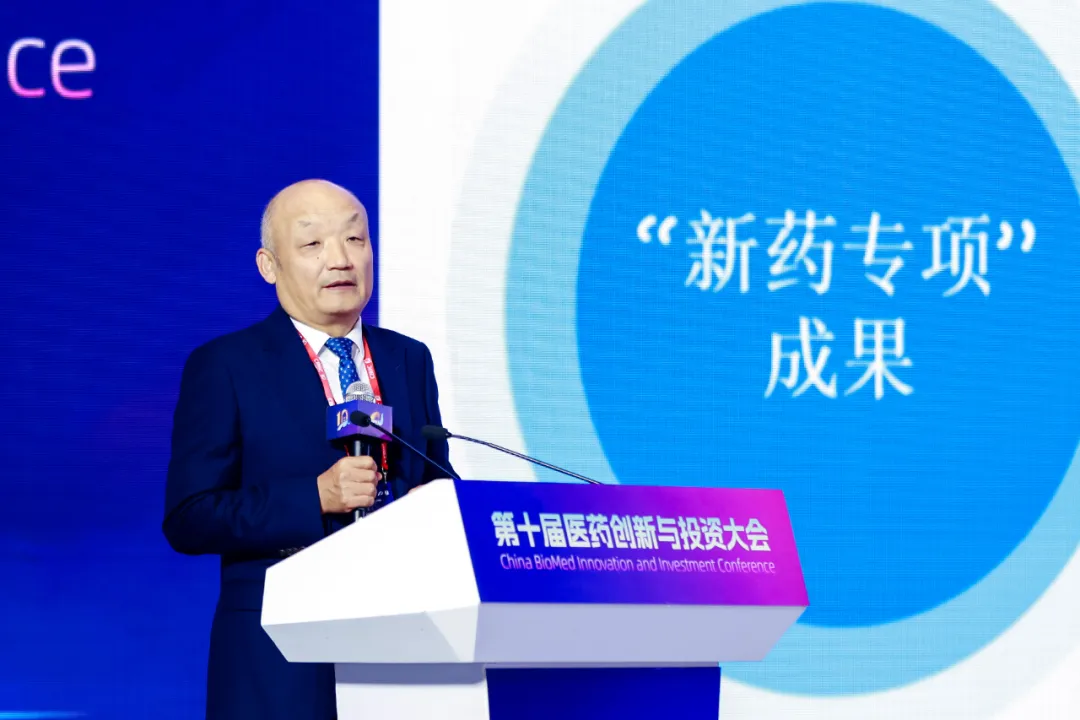
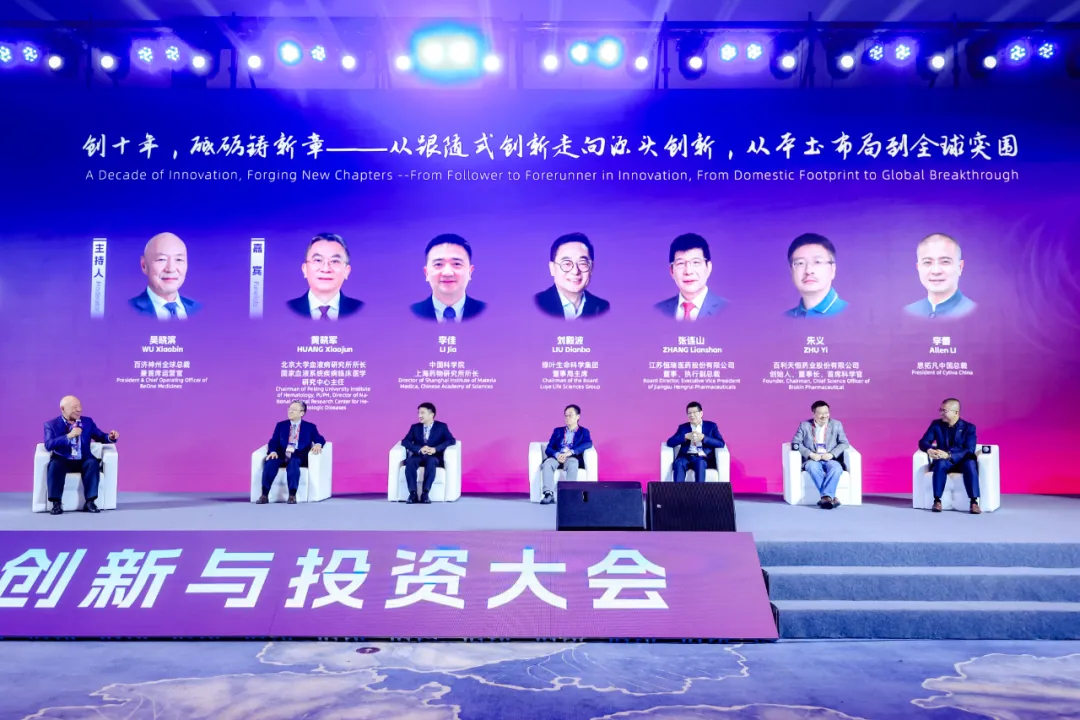
The first panel discussion session, titled “A Decade of Innovation, Forging
New Chapters,” was moderated by WU Xiaobin, Eminent President of PhIRDA and
President and COO of BeOne Medicines. Panelists included Huang Xiaojun, Chairman
of Peking University Institute of Hematology, PUPH, Director of National
Clinical Research Center for Hematologic Diseases; Li Jia, Vice President of
PhIRDA and Director of the Shanghai Institute of Materia Medica, Chinese Academy
of Sciences; Liu Dianbo, Vice President of PhIRDA and Chairman of the Board of
Luye Life Sciences Group; Zhang Lianshan, Board Director and Executive Vice
President of Jiangsu Hengrui Pharmaceuticals; Zhu Yi, Founder, Chairman, and
Chief Science Officer of Biokin Pharmaceutical; and Allen Li, President of
Cytiva China.
From follower-based innovation to source innovation, and from domestic positioning to global expansion, the past decade of robust growth in pharmaceutical innovation has charted a clear direction for future R&D. Experts emphasized that innovative drug development must remain closely aligned with frontline clinical needs. China has now entered a critical phase, transitioning from new molecule discovery toward breakthroughs in novel targets and underlying scientific theories. Looking ahead, China’s contribution to original innovation is expected to exceed expectations. Enterprises are encouraged to cultivate long-term commitment and resilience in innovation, anchoring themselves in the domestic market while evolving from a “going global by leveraging external platforms” approach to building independent global capabilities. With the coordinated support of policy, capital, technology, and clinical resources, China’s innovative drugs are poised to achieve higher-quality globalization over the next decade.
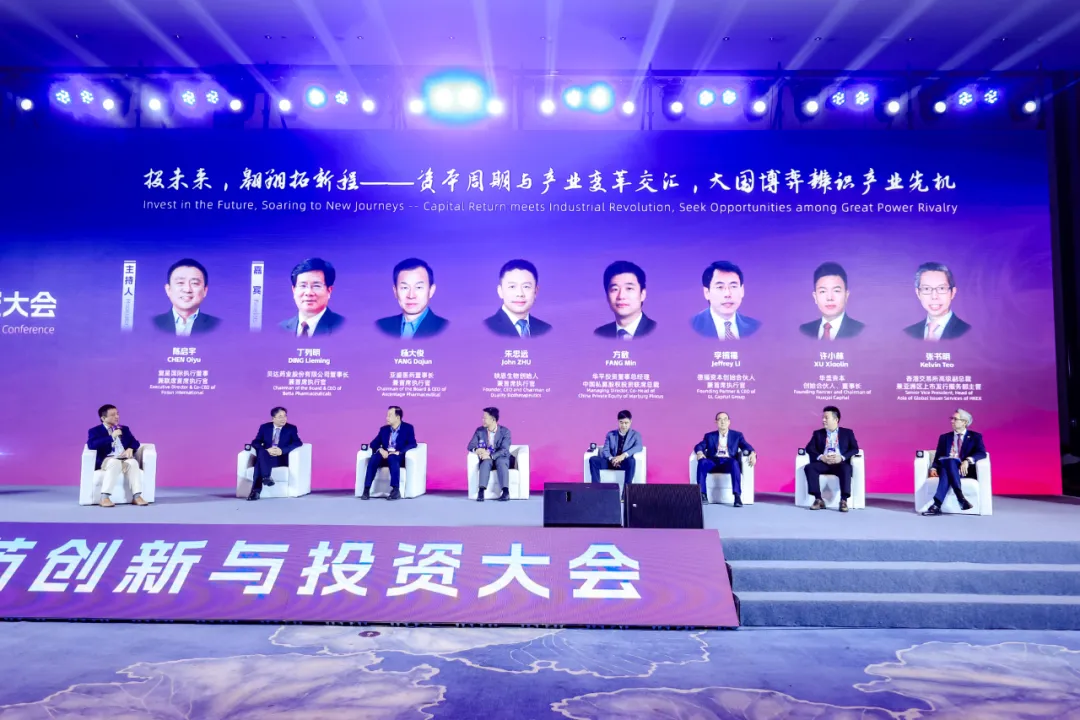
The second panel discussion session, titled “Invest in the Future, Soaring to
New Journeys,” was moderated by CHEN Qiyu, Eminent President of PhIRDA and
Executive Director and Co-CEO of Fosun International. Panelists included DING
Lieming, Vice President of PhIRDA and Chairman and CEO of Betta Pharmaceuticals;
YANG Dajun, Chairman and CEO of Ascentage Pharma; ZHU Zhongyuan, Founder and CEO
of Duality Biotherapeutics; FANG Min, Managing Director and Co-Head of China
Private Equity at Warburg Pincus; LI Zhenfu, Founding Partner and CEO of GL
Capital Group; XU Xiaolin, Founding Partner and Chairman of Huagai Capital; and
Kelvin Teo, Senior Vice President and Head of Asia, Global Issuer Services at
HKEX.
With improvements in the investment and financing environment and a resurgence of market activity, experts noted that Chinese scientists are achieving an increasing number of “0-to-1” breakthroughs, with a wave of new achievements expected to emerge over the next decade. China has already established a solid foundation for global competitiveness in talent reserves and clinical infrastructure. Moving forward, differentiated innovation targeting unmet clinical needs will be key to maintaining a competitive edge. Companies are also encouraged to actively integrate into global industry collaboration networks and leverage complementary strengths through partnerships. Participants widely agreed that, supported by talent advantages, strong clinical capabilities, and sustained capital investment, China’s pharmaceutical innovation will play an increasingly important role in the global landscape.
A decade of dedication has forged a strong foundation, and now is the time to
set sail. Through in-depth exchanges and the convergence of ideas, the 10th
CBIIC has built broad consensus, showcasing a more confident and open Chinese
pharmaceutical innovation industry that is increasingly integrated into the
global innovation ecosystem. The CBIIC highlighted China’s transformation from a
follower to a parallel runner, and in some areas, a global leader, injecting
strong confidence and momentum into the next decade of high-quality development.
Looking ahead, China’s pharmaceutical innovation industry is poised for even
greater opportunities, while the CBIIC will continue to promote deeper
integration across industry, academia, research, and healthcare, strengthen
global resource coordination, and jointly advance a new chapter of
pharmaceutical innovation in China.
 News & Events
PHIRDA 2026-06-17
549
News & Events
PHIRDA 2026-06-17
549
 News & Events
PHIRDA 2026-06-04
640
News & Events
PHIRDA 2026-06-04
640
 WeChat Official Account
Copyright © 2017-2020 PhIRDA All rights reserved. Technical Support:SZHD


 Top News