
 News & Events
 PHIRDA
  2026.04.10
 390
390
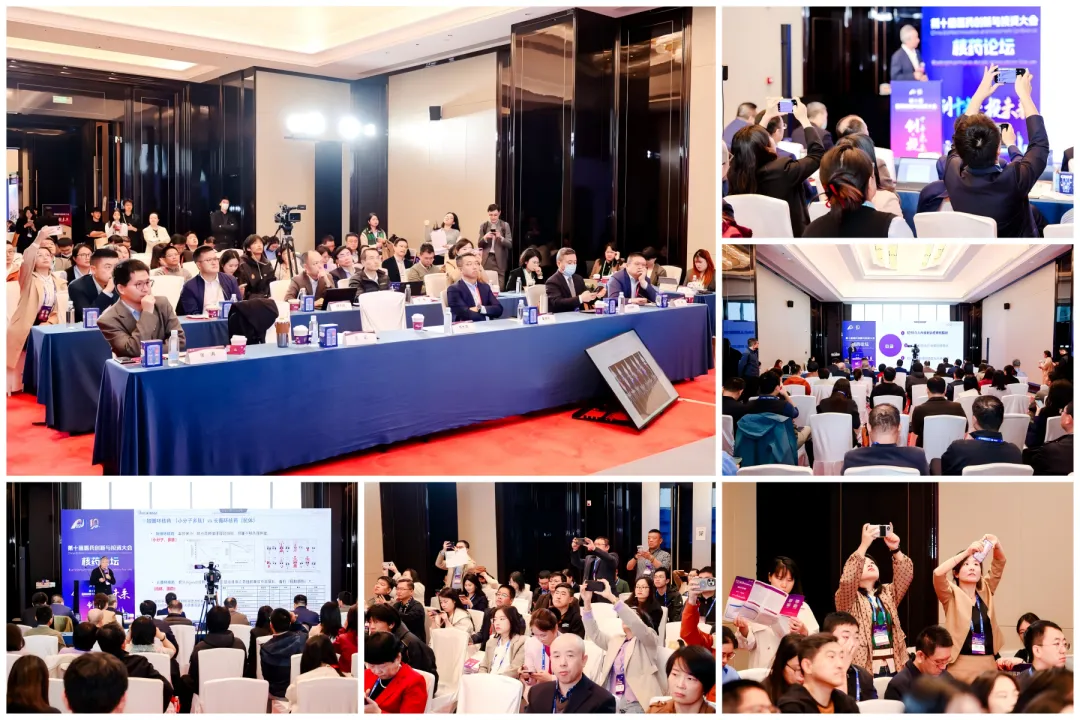
On the morning of October 27, 2025, the Radiopharmaceuticals Innovation Forum of the 10th China Pharmaceutical Innovation and Investment Conference (CBIIC) was successfully held in Nanjing. As the first academic forum dedicated to a frontier technology field at the conference, the event brought together leading experts, scholars, innovative pharmaceutical companies, and investment institutions to discuss cutting-edge developments, practical challenges, and future trends in the radiopharmaceutical field. The forum was moderated by QIAN Hai, Director of the Office of Development Planning and Discipline Construction, China Pharmaceutical University.
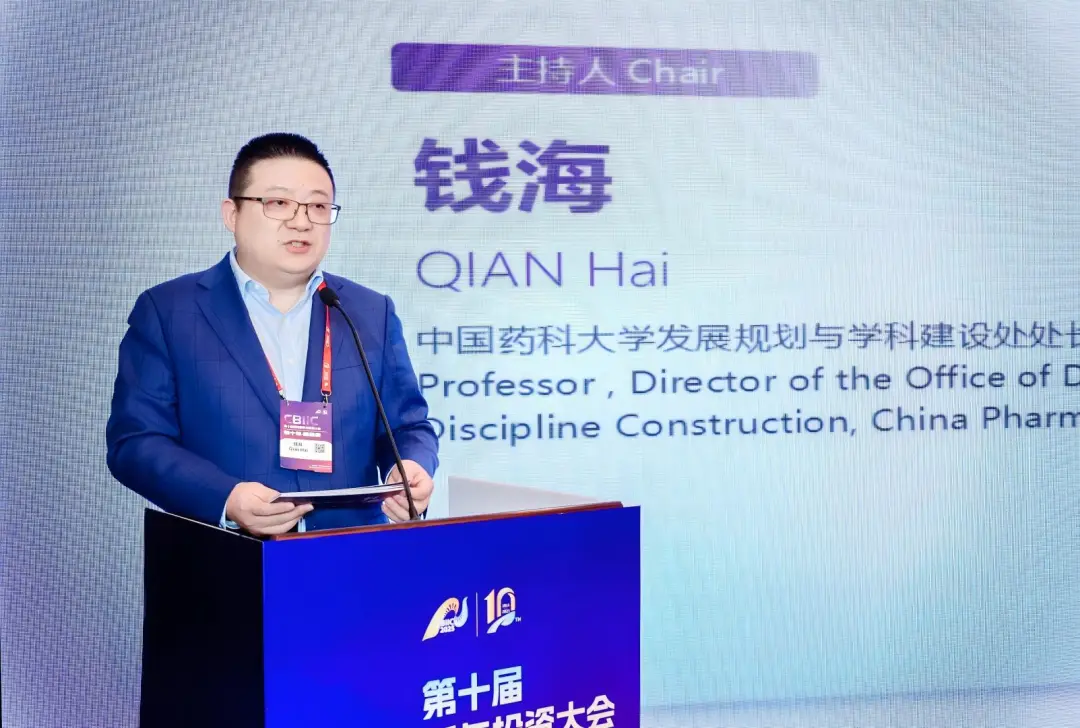
QIAN Hai, Director of the Office of Development Planning and Discipline
Construction, China Pharmaceutical University
Radiopharmaceuticals, as a “precision tool” of precision medicine and a “new quality productive force” of the biopharmaceutical industry, are embracing unprecedented development opportunities while also facing comprehensive challenges spanning technological R&D, clinical application, and industrial transformation.
Session I: Keynote Speech
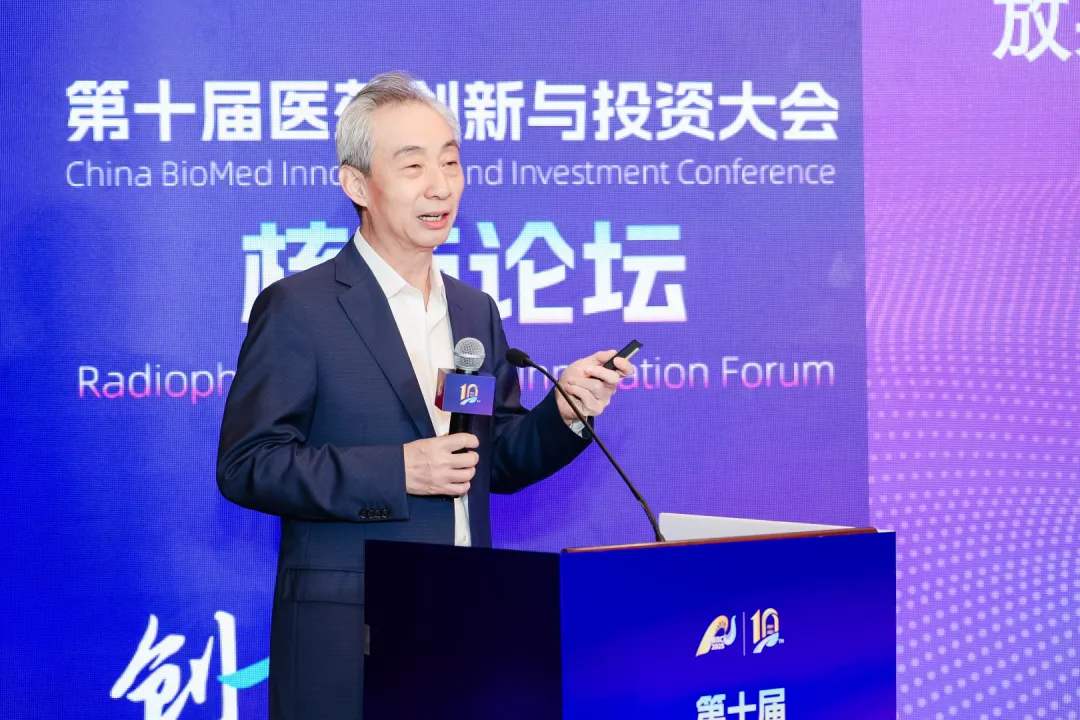
KONG Fanpu, Chief Investigator, School of Medicine, Tsinghua University
KONG Fanpu, Chief Investigator, School of Medicine, Tsinghua University, delivered a keynote titled “Radiopharmaceutical Regulations and Registration/Approval Pathway.” He systematically reviewed investment and financing trends, regulatory evolution, and differences between domestic and international regulatory frameworks. As radiopharmaceuticals become a strategic focus for innovative drug companies, China’s market has demonstrated significant growth, with a projected market size reaching RMB 12.7 billion by 2025. From a regulatory perspective, he noted that China’s radiopharmaceutical regulatory system is characterized by multi-agency coordination. Addressing practical challenges in R&D and registration, he analyzed regulatory pathway debates concerning special materials such as radionuclides, precursors, and generators, and revealed that industry experts are formulating recommendations for submission to regulatory authorities to facilitate smoother advancement of radiopharmaceutical development through improved policies and technical guidelines.
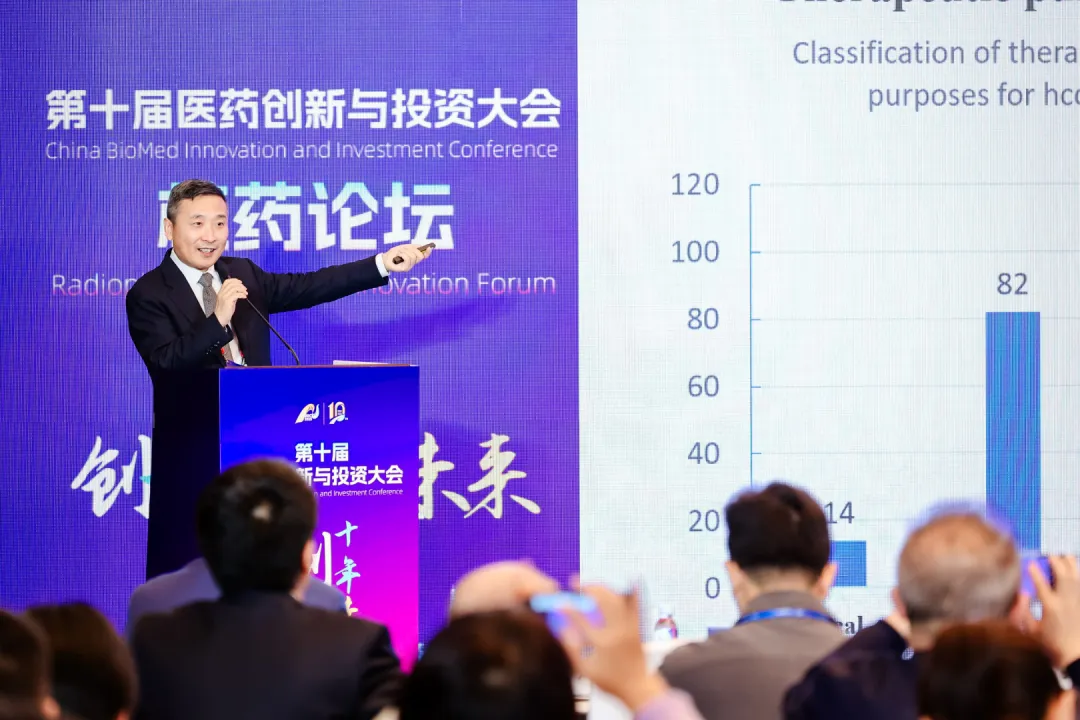
FENG Xiaobin, Director of Yttrium-90 Precision Tumor Interventional Radiotherapy Center, Beijing Tsinghua Changgung Hospital
FENG Xiaobin, Director of Yttrium-90 Precision Tumor Interventional Radiotherapy Center, Beijing Tsinghua Changgung Hospital, presented “Domestic Applications of Yttrium-90 in Hepatocellular Carcinoma.” Framed around the themes of “tribute and breakthrough,” he reviewed the development of yttrium-90 resin microsphere therapy in China, from its first special access case to nationwide adoption. Drawing on a series of clinical studies and recent research achievements from Tsinghua Changgung Hospital, he demonstrated the clinical advantages and therapeutic potential of yttrium-90 in liver cancer treatment. He emphasized that successful therapy requires the integration of drugs, technology, and patients. Despite China’s substantial demand for liver cancer treatment—with 410,000 new cases in 2020, ranking first globally—patient accessibility remains a key issue. He called for strengthening the industrial ecosystem and improving drug supply to enhance treatment accessibility and adoption.
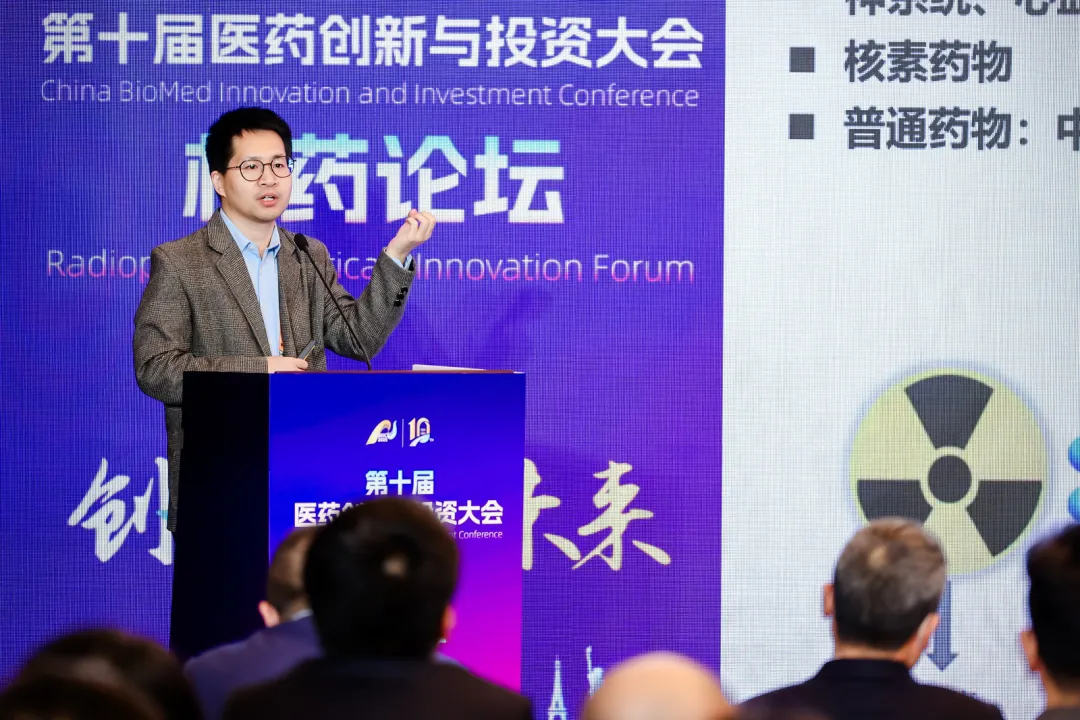
ZHANG Tao, Professor and Chief of Nuclear Medicine Center, Nanjing Medical University
ZHANG Tao, Professor and Chief of Nuclear Medicine Center, Nanjing Medical University, delivered a keynote titled “Precision Medicine Era: Translational and Technological Breakthroughs in Radiopharmaceutical Preclinical Research.” He highlighted the unique value of radiopharmaceuticals in addressing clinically refractory diseases, while noting multiple challenges in technology, regulation, and industrialization. He outlined three key technological bottlenecks: ensuring the supply and distribution of short half-life radiopharmaceuticals, developing more precise targeting technologies to reduce radiation damage to normal tissues, and establishing comprehensive preclinical evaluation systems. He also called for coordinated efforts among regulators, medical institutions, and other stakeholders to build standardized regulatory pathways and promote high-quality industry development. Furthermore, he emphasized that market potential is closely linked to appropriate clinical indication selection, and only products that truly benefit patients can achieve sustainable growth.
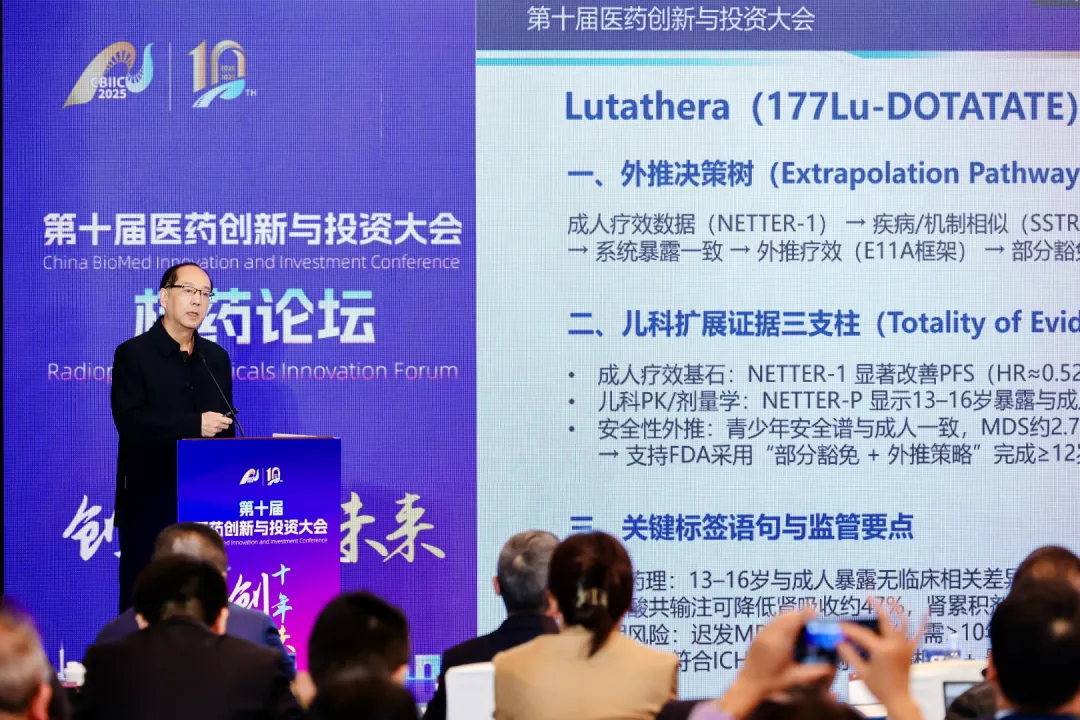
Charles Lee, Co-founder, Chief Medical Officer of Evergreen Therapeutics
Charles Lee, Co-founder, Chief Medical Officer of Evergreen Therapeutics, presented “U.S. and China: Two Systems, One Future for Nuclear Medicine?—Bridging Regulatory Gaps with Insights from 2025 FDA Breakthroughs in RPT.” He provided an in-depth analysis of emerging regulatory trends in the United States and proposed systematic strategies for China’s radiopharmaceutical development. Using FDA approvals such as the pediatric expansion of Lutathera and dose exploration of Pluvicto as examples, he identified three core challenges: long-term delayed toxicity, reassessment of the therapeutic window in radiopharmaceutical therapy (RPT), and integrated optimization of PK/PD and dosimetry. He highlighted the FDA’s flexibility in prioritizing clinical value. Comparing China and the U.S., he proposed three key concepts: the use of biologically effective dose (BED) as a secondary quantitative metric for RP2D and risk-benefit evaluation; prospective randomized dose optimization to establish internationally recognized dosimetry evidence; and redefining organ tolerance limits based on RPT-specific safety windows combined with low-dose-rate models. He emphasized that both countries share a common focus on clinical value and patient benefit, and recommended establishing at least five-year active safety monitoring mechanisms for organ and system functions to ensure long-term risk is measurable and manageable.
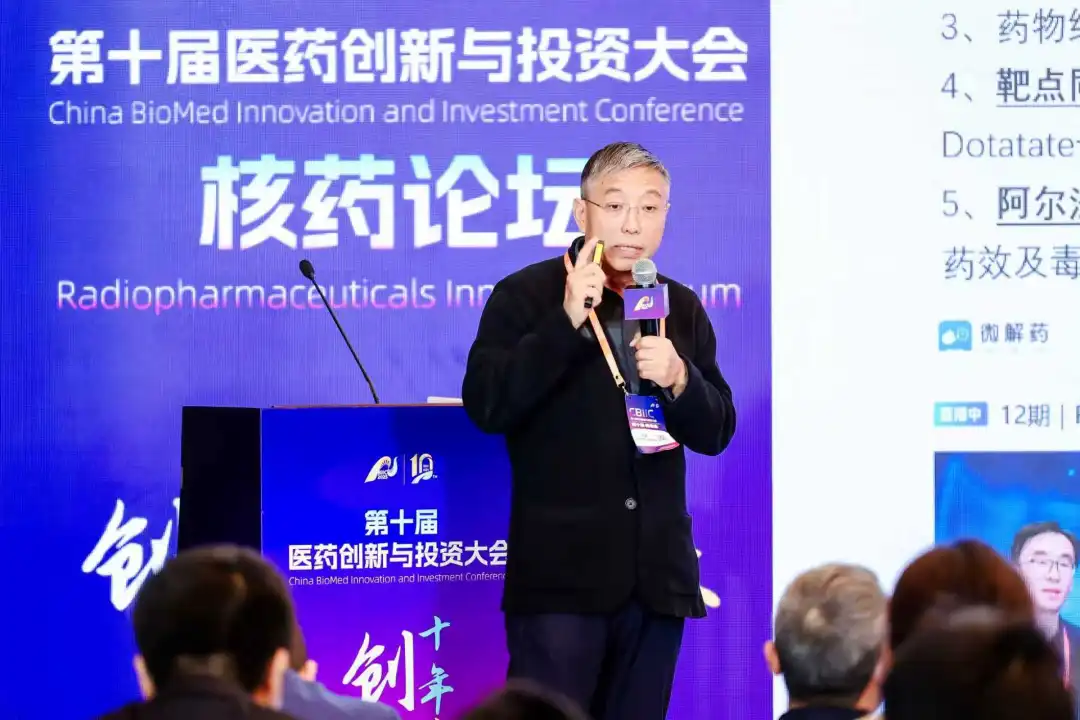
WANG Zheng, Co-founder, CEO & CSO of Theranosta Inc.
WANG Zheng, Co-founder, CEO & CSO of Theranosta Inc., delivered a keynote titled “Critical Role of Novel Chelators in Radiopharmaceutical Development.” Despite the strong therapeutic potential of radiopharmaceutical drug conjugates (RDCs), he noted that the field faces significant challenges including homogenized competition and toxicity risks, primarily due to insufficient labeling stability, uncontrollable pharmacokinetics, and difficulties in applying alpha-emitting radionuclides. To address these issues, his team developed the Larm third-generation macrocyclic chelator platform, demonstrating its effectiveness in improving labeling stability and modulating pharmacokinetic behavior. He pointed out that current R&D targets are highly concentrated, with 19 PSMA-targeted drugs among more than 30 domestic radiopharmaceutical companies, intensifying competition. He expressed hope that such technologies will enable breakthroughs at the fundamental level and support the development of an integrated theranostics ecosystem, driving the field toward more precise and sustainable growth.
Session II: Panel
The Panel Discussion, titled “Innovative Breakthroughs and Challenges in Precision Nuclear Medicine Therapy,” was moderated by YE Yin, Chief Analyst of Healthcare Industry, Ping An Securities. Together with four industry experts, the discussion explored innovation and challenges across the radiopharmaceutical industry. Panelists noted that radiopharmaceuticals, with their unique advantages in theranostics and precise tumor targeting, are emerging as a new paradigm in oncology treatment. However, key bottlenecks remain across the value chain, including upstream isotope supply autonomy, midstream R&D homogenization, and downstream clinical accessibility.
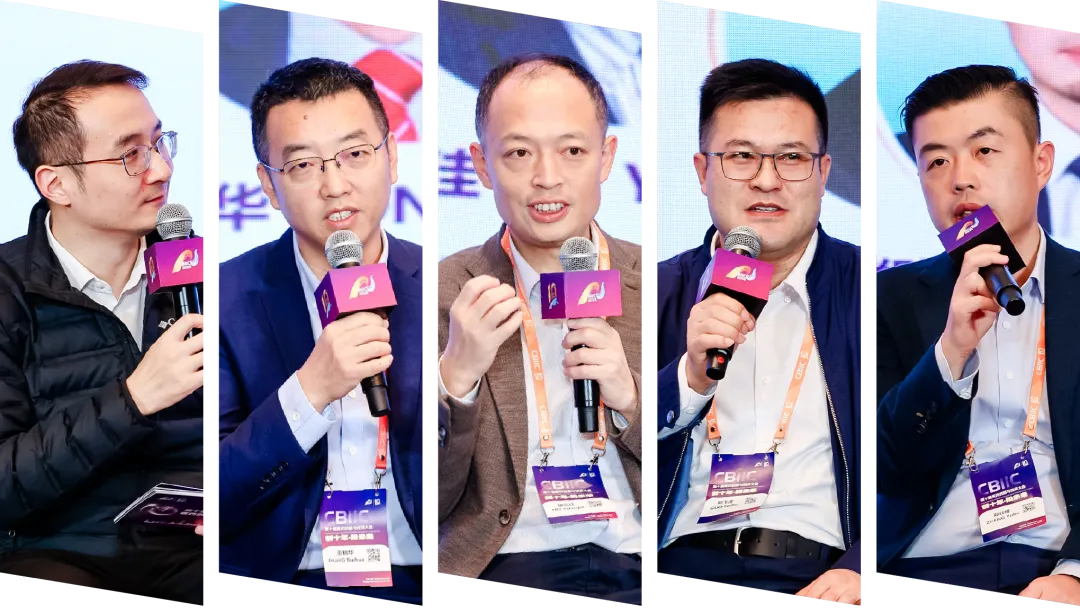
From left to Right: YE Yin, DONG Ruihua, HU Yuanjia, GUO Feihu, ZHENG
Yubo
DONG Ruihua, Director of Research Ward, Beijing Friendship Hospital, Capital Medical University, emphasized that radiopharmaceutical therapy is not a replacement for traditional treatments but rather a complementary modality to surgery, chemotherapy, and immunotherapy. Optimal treatment strategies should be tailored to disease stage and individual patient conditions. He highlighted the need for more specialized talent, improved standards, better coordination of hospital resources, and solutions to challenges such as dose limitations and radiopharmacy constraints. He also called for more targeted national policies to support innovation and facilitate broader clinical research.
HU Yuanjia, Director of Centre for Pharmaceutical Regulatory Sciences, University of Macau, noted that the rapid development of radiopharmaceutical drug conjugates depends on both fundamental technological innovation and regulatory optimization. While China’s strong engineering capabilities underpin its competitiveness in innovative drugs, it also faces complex full-chain regulatory requirements. Clear and supportive policies will be crucial to accelerating translation, and the exploration of accelerated review pathways tailored to RDC characteristics must be grounded in robust scientific evidence and clear risk-benefit assessments.
GUO Feihu, CEO, Tianjin Hengrui Pharmaceuticals Co., Ltd, emphasized from an industry perspective that radiopharmaceutical R&D must return to clinical needs and focus on addressing unmet medical demands, rather than following generic drug development approaches. He likened innovative radiopharmaceuticals that have completed Phase III trials to “newly graduated PhDs,” indicating that their long-term market value and commercial success still require validation through real-world application. Given the high costs of R&D and manufacturing, he stressed the importance of including clinically effective radiopharmaceuticals in the national reimbursement system and exploring diversified payment models, such as commercial insurance and tiered pricing, to balance innovation incentives with patient access.
ZHENG Yubo, General Manager, International Bio-Town Capital, shared insights from a regional cluster and investment perspective. He noted that the Chengdu–Mianyang region has developed into a radiopharmaceutical hub due to decades of strategic resource accumulation in Sichuan Province, forming a complete industrial chain from isotopes and drugs to equipment and clinical application, with a “one chain, four poles” industrial layout. For investors, opportunities exist across all segments of the value chain, representing a “track outweighs players” investment landscape. However, different segments have distinct investment logics, risk-return profiles, and suitable investor types, requiring precise positioning based on capital attributes, risk tolerance, and industrial resources.
The Radiopharmaceuticals Innovation Forum concluded successfully with dynamic academic exchange and insightful discussions. Looking ahead, as the unique characteristics of radiopharmaceuticals become better understood, efforts to standardize and internationalize nuclear medicine and radiopharmaceutical R&D—supported by policy, capital, and clinical engagement—are expected to foster a virtuous cycle from basic research to translational application and commercial deployment, ultimately achieving a balance between patient accessibility and sustainable industry development.
 News & Events
PHIRDA 2026-06-17
554
News & Events
PHIRDA 2026-06-17
554
 News & Events
PHIRDA 2026-06-04
645
News & Events
PHIRDA 2026-06-04
645
 WeChat Official Account
Copyright © 2017-2020 PhIRDA All rights reserved. Technical Support:SZHD


 Top News